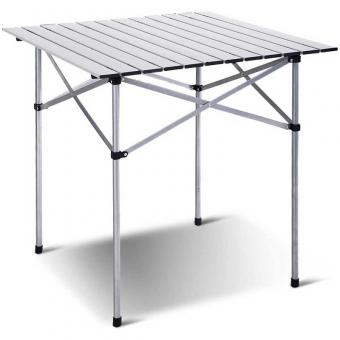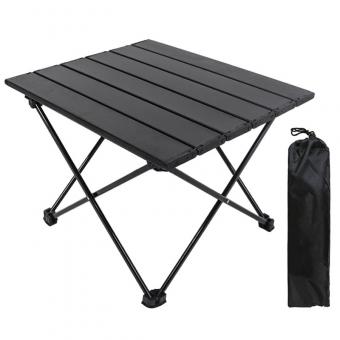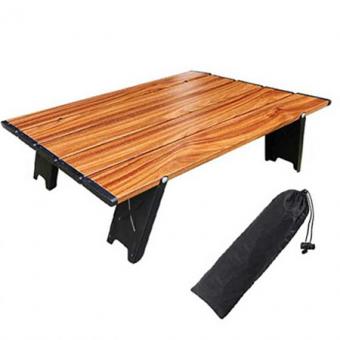
Brand: ANHUI FEISTEL FACTORY Relate Manufacturing: OEM & ODM Product: A lightweight, small, foldable picnic table perfect for outdoor activities. Made of durable materials, it's portable, easy to set up.
Neil welcome to our website !
learn more

When it comes to selecting a folding wooden deck chair for beach camping, the choice of wood is perhaps the most critical decision you'll make. Two names consistently rise to the top of the conversation: teak and eucalyptus. Both are celebrated hardwoods prized for their beauty, strength, and outdoor performance. But which one truly deserves a place in your beach setup?
This comprehensive guide compares teak and eucalyptus across every critical factor—from durability and maintenance to appearance, sustainability, and long-term value—help you make the best decision for your coastal adventures.
Teak (Tectona grandis) is a tropical hardwood native to South and Southeast Asia, renowned for its exceptional durability and natural resistance to water, decay, and termites . Rich in natural oils, teak has long been the timber of choice for boat building and premium outdoor furniture . Its golden-brown hue weathers gracefully to a silvery-grey over time, and its tight, straight grain gives it a smooth, elegant finish .
The teak tree can grow up to 40 meters in height and 120 cm in diameter, with a mean weight of approximately 630 kg/m³ . Its high oil content—so abundant that untreated wood can last for decades without damage—makes it naturally resistant to fungi, pests, and moisture damage .
Eucalyptus is a fast-growing hardwood native to Australia and widely cultivated in plantations around the world . Known for its impressive strength and density, eucalyptus has a warm, reddish-brown tone that adds a relaxed natural charm to outdoor settings .
While it contains natural oils that help resist moisture and insects, eucalyptus is not as inherently resilient as teak . However, its affordability and eco-friendly credentials make it a compelling alternative for those seeking a balance between style, sustainability, and budget .
Teak's Unmatched Longevity
Teak is celebrated globally for its durability, often outlasting its owners . Naturally imbued with oils that repel moisture and insects, teak shrugs off the elements—sun, salt air, humidity—like few other materials . It can be left uncovered outdoors year-round and still perform for decades . Many heritage teak pieces found in public parks or garden settings are 40–70 years old and still structurally sound .
Teak's dense grain structure and natural oils make it highly resistant to insect invasion and deterioration caused by wood-boring pests . This quality ensures that your teak folding beach chair remains free from unsightly damage and maintains its structural integrity for years to come .
When it comes to direct sunlight exposure, teak is an excellent choice. Its natural resistance to UV rays helps prevent fading and discoloration, ensuring that your chair retains its rich, warm hues even after prolonged exposure .
Eucalyptus's Solid Performance
While eucalyptus may not match teak's unparalleled durability, it is still a solid and reliable choice for outdoor furniture . Its density gives it strength, though it lacks the dimensional stability of teak . In practical terms, this means eucalyptus is more prone to expanding and contracting with temperature and humidity shifts, which over time can cause minor warping or surface checking .
Eucalyptus lacks the same level of natural oils and dense grain structure found in teak . As a result, it may be more susceptible to warping, cracking, and rotting if not properly maintained and protected from excessive moisture and humidity .
When cared for properly—through regular cleaning and oiling—eucalyptus furniture can last 15 to 25 years or more .
Teak's Minimal Maintenance
One of the most appealing advantages of teak is its low maintenance requirements . Over time, teak naturally develops a beautiful silver-gray patina as a result of exposure to sunlight and weather . If you prefer to preserve the rich golden color, applying teak oil or sealer once or twice a year will do the trick . A soft scrub with warm water and mild soap is all that's needed to remove surface grime .
For those who appreciate the weathered look, teak requires virtually no maintenance at all . As Carl Hansen & Søn notes, "untreated teak can last for decades without being damaged" .
Eucalyptus's Active Care Needs
Eucalyptus requires more diligent care and attention to maintain its appearance and durability . Regular sealing with a water-based acrylic sealant or outdoor wood oil is crucial—ideally two to three times per year, particularly in harsher climates or when exposed to rain .
Without proper treatment, eucalyptus may not handle exposure to rain and moisture as well as teak, leading to issues such as warping, cracking, or discoloration . During off-season months, covering or storing eucalyptus furniture under shelter can prevent undue wear .
While the maintenance requirements for eucalyptus may seem daunting, the trade-off is a more affordable option compared to the premium price tag associated with teak .
Both woods are visually appealing in distinct ways.
Teak's Refined Elegance
Teak's uniform grain and warm golden tones offer a clean, luxurious look that harmonizes with modern, coastal, and traditional outdoor spaces alike . When first cut, teak has a natural pinkish-green color; after exposure to sun, it evolves into its appealing golden hue . As it ages, its silver-grey tone adds a weathered elegance that many designers and architects embrace .
Teak has a lively appearance with dark stripes that follow the growth rings, and the wood can vary greatly in tone and grain thickness within the same trunk .
Eucalyptus's Natural Charm
Eucalyptus presents a more relaxed character. Its reddish undertone and slightly varied grain pattern lend it an organic, earthy presence that works beautifully in bohemian or rustic garden settings . It's especially popular among homeowners who appreciate a "natural" look without the need for paint or synthetic finishes .
Well-crafted eucalyptus furniture can closely resemble teak in both appearance and weight . In fact, many casual observers would struggle to tell them apart at first glance—particularly when new and well-finished .
Teak: Premium Investment, Heirloom Potential
There's no question: teak furniture is a financial investment . It often carries a price tag two to three times higher than comparable eucalyptus pieces . But this upfront cost is offset by the long-term savings in maintenance and replacement . For those planning to keep their folding beach chair for decades, teak delivers unmatched value.
The high cost of teak furniture reflects its superior properties and longevity—with proper care, it can last for generations .
Eucalyptus: Affordable Alternative
For those who prioritize affordability without compromising on aesthetic appeal, eucalyptus presents an attractive alternative to teak . This hardwood offers a cost-effective solution for budget-conscious buyers seeking outdoor furniture .
While eucalyptus may not match the longevity of teak, it still provides a reliable option, especially when properly maintained . The lower price point allows homeowners to create inviting outdoor spaces without breaking the bank .
Environmental impact is an increasing priority for modern consumers—and rightly so.
Eucalyptus: The Eco-Friendly Choice
Eucalyptus shines in this category. It grows rapidly, requires less water than many hardwoods, and is often locally or regionally sourced . As a result, it typically has a lower carbon footprint and is considered one of the more sustainable hardwood options .
Eucalyptus can grow in harsh habitats and is well adapted to environments where drought and nutrient-poor soils are common, making it effective for soil rehabilitation and erosion reduction .
Teak: Responsible Sourcing Matters
Teak can be sustainable, particularly when it comes from certified plantations that practice responsible forestry . Many reputable manufacturers use only FSC-certified teak from responsible partners .
However, plantation teak differs from old-growth forest teak—the growth rings are further apart, indicating younger trees . While still possessing the same great properties, the origin and age affect appearance .
You want the absolute best in longevity and weather resistance
You prefer minimal maintenance and hassle-free ownership
You're investing in a heirloom-quality piece for decades of use
You love the silver-grey patina or rich golden hue of aged teak
You live near the coast or in high-humidity regions where salt air is a factor
You're looking for a stylish yet cost-effective alternative
You're comfortable with occasional maintenance (annual oiling)
You prefer a warm, natural aesthetic with reddish undertones
Sustainability and eco-friendliness are top priorities
You're furnishing a vacation property or space with evolving needs
When selecting a folding wooden deck chair specifically for beach camping, additional factors come into play:
Portability: Folding wooden beach chairs are engineered for portability, often made from teak, eucalyptus, or reinforced hardwood frames that collapse into compact forms for easy transport . Their minimalist slatted design ensures quick drying and sand drainage .
Sand Resistance: Both woods perform well in sandy environments, but teak's higher oil content gives it an edge in resisting salt spray and moisture absorption .
Stability: To prevent sinking into sand, many quality wooden beach chairs feature wide footpads or flared legs that distribute weight evenly . This design consideration matters regardless of your wood choice.
There's no universal "best" wood—only the right choice for your specific needs and priorities.
Teak remains the gold standard for those seeking unparalleled durability, minimal maintenance, and timeless elegance. If your folding beach deck chair will see heavy use, frequent exposure to salt water, and you want it to last for decades, teak is worth the premium investment .
Eucalyptus offers exceptional value for the style-conscious, budget-minded beach lover. With proper care—regular oiling and seasonal storage—it provides years of reliable service and natural beauty at a fraction of teak's cost .
Whichever you choose, understanding these differences empowers you to select a folding wooden deck chair that will enhance your beach camping experiences for years to come. As one expert aptly noted, "both teak and eucalyptus provide excellent wood for furniture"—the key is matching their strengths to your lifestyle .
Aspect
Teak Wood
Eucalyptus Wood
Lifespan
50+ years outdoors with minimal maintenance
15–25 years with proper care
Maintenance
Low – occasional oiling optional
Moderate – requires regular oiling/sealing
Weather Resistance
Exceptional (water, rot, termites, sun, salt)
Good – but less stable in prolonged moisture
Appearanc
Golden-brown; fades to elegant silver-grey
Warm reddish-brown; may darken or fade without maintenance
Grain & Texture
Tight, straight grain; smooth finish
Varied grain; natural, rustic feel
Cost
High – premium investment
Mid-range – budget-conscious luxury
Sustainability
Slow-growing; often FSC-certified plantations
Fast-growing; renewable and widely available
Weight
Dense yet manageable
Denser than teak; can be heavier
Deep Dive: Critical Comparison Factors
1. Durability and Lifespan
2. Maintenance Requirements
3. Appearance and Aesthetics
4. Cost and Value Proposition
5. Sustainability Considerations
Making Your Choice: Which Wood Suits Your Needs?
Choose Teak If:
Choose Eucalyptus If:
Special Considerations for Folding Beach Deck Chairs
Conclusion: The Verdict
Categories
New Blog
Brand: ANHUI FEISTEL FACTORY Relate Manufacturing: OEM & ODM Product: A lightweight, small, foldable picnic table perfect for outdoor activities. Made of durable materials, it's portable, easy to set up.
Brand: ANHUI FEISTEL FACTORY Relate Manufacturing: OEM & ODM Product: The custom lightweight metal iron foldable moon chair offers durable support and comfort, ideal for outdoor camping, with a compact, portable design for easy transport and storage.
Brand: ANHUI FEISTEL FACTORY Relate Manufacturing: OEM & ODM Product: Outdoor Portable Folding Roll Up Picnic Table: Lightweight, durable aluminum design with adjustable height, easy setup, and compact carry bag for camping, picnics, and outdoor activities.
Brand: ANHUI FEISTEL FACTORY Relate Manufacturing: OEM & ODM Product: A versatile, portable IGT BBQ camping table with adjustable height legs. Ideal for outdoor cooking, camping, and picnics. Lightweight and foldable for easy transport.
Brand: ANHUI FEISTEL FACTORY Relate Manufacturing: OEM & ODM Product: Compact and lightweight aluminum folding table, perfect for camping, beach, or outdoor activities. Easy to carry, sturdy, and ideal for holding food and drinks.
Brand: ANHUI FEISTEL FACTORY Relate Manufacturing: OEM & ODM Product: This camping foldable wooden lounge chair features a sturdy frame, ergonomic reclining design, and compact folding structure—perfect for relaxing at the beach, campsite, or backyard.
Brand: ANHUI FEISTEL FACTORY Relate Manufacturing: OEM & ODM Product: This Outdoor Folding Aluminum Frame Camping Chair features an adjustable backrest, lightweight yet sturdy design, offering portable comfort for camping, beach trips, picnics, and outdoor relaxation.
Brand: ANHUI FEISTEL FACTORY Relate Manufacturing: OEM & ODM Product: The hiking backpacking mini stool combines a durable Oxford fabric foldable design with a creative pencil case pocket, offering portability, comfort, and practicality for camping and outdoor adventures.
Brand: ANHUI FEISTEL FACTORY Relate Manufacturing: OEM & ODM Product: The wholesale hiking equipment travel sleeping bed is an adjustable-height folding camping cot offering sturdy support, easy portability, and comfortable rest for outdoor adventures.
Brand: ANHUI FEISTEL FACTORY Relate Manufacturing: OEM & ODM Product: An outdoor ultralight single compact portable folding camping bed ideal for backpacking, featuring a durable frame, easy setup, and a convenient carry bag for travel.
LET’S STAY CONNECTED :