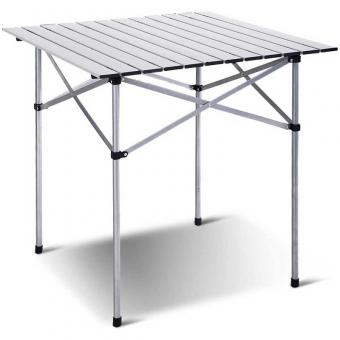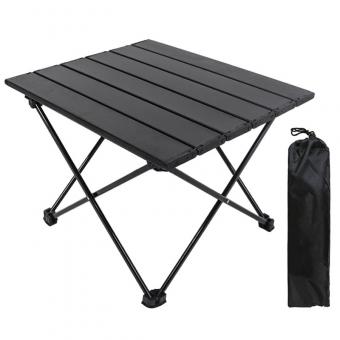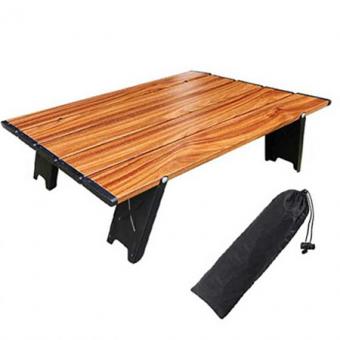
Brand: ANHUI FEISTEL FACTORY Relate Manufacturing: OEM & ODM Product: A lightweight, small, foldable picnic table perfect for outdoor activities. Made of durable materials, it's portable, easy to set up.
Neil welcome to our website !
learn moreWhen you‘re hauling camping gear across a sandy beach, navigating a muddy festival field, or maneuvering through a rocky campsite, your folding camping trolley's wheels are the single most important factor determining how effortless—or exhausting—the journey becomes. The debate between 7-inch all-terrain wheels and 10-inch all-terrain wheels isn‘t just about numbers on a spec sheet; it’s about real-world performance, physical effort, and whether your trolley becomes a trusted companion or a frustrating burden.
This guide breaks down exactly how wheel size impacts rolling resistance, ground clearance, stability, portability, and overall user experience—helping you choose the right wheel diameter for your specific outdoor needs.
Before diving into the specifics of 7-inch versus 10-inch wheels, it‘s worth understanding the physics at play. Wheel type—specifically wheel diameter and width—shapes how your folding wagon moves, carries weight, and interacts with outdoor ground surfaces.
On hard, flat surfaces like pavement or packed dirt, smaller wheels actually perform quite well—they roll fast and turn easily. But as the terrain softens or becomes more uneven, wheel size becomes increasingly critical. Wide wheels spread weight over a larger area, helping your wagon float over sand, mud, and loose gravel instead of digging in. Meanwhile, larger wheels climb over roots, rocks, and obstacles more easily, making them indispensable on campsites and unpaved trails.
In essence, wheel diameter influences three core performance metrics: rolling resistance, obstacle clearance, and maneuverability. Let‘s examine how 7-inch and 10-inch wheels compare across each.
Seven-inch all-terrain wheels are widely considered the entry point for genuine off-road capability in folding camping trolleys. These wheels typically feature deep-tread designs that allow the trolley to tackle a variety of surfaces, including sand and pebbles at the beach, or thick mud at a campsite. The PORTAL Collapsible Wagon Cart, for example, features oversized 7-inch wheels that enable use on parks, beaches, gardens, and sporting events, supporting up to 225 pounds on a steel frame.
However, terrain performance comes with caveats. While 7-inch wheels can handle firmer sand—particularly near the waterline where the sand is more compact—they may struggle on looser, softer sand. Wagons with larger wheels distribute weight more evenly, reducing the risk of sinking; 7-inch wheels, while capable, demand more pulling effort when heavily loaded on loose sand.
Where 7-inch wheels truly shine is in their impact on the trolley‘s overall portability and storage footprint. Smaller wheels allow the trolley to fold into a more compact package, making it significantly easier to store in car trunks, garages, or closets. The PORTAL wagon folds down to a compact 12”L x 9“W x 30”H—dimensions that would be difficult to achieve with 10-inch wheels.
For campers with limited vehicle space, or those who need to carry their trolley over longer distances after folding, the 7-inch wheel configuration is often the more practical choice.
Smaller wheels generally offer superior turning agility, especially when paired with 360-degree swivel front wheels. The reduced rotational mass means less effort to change direction, making 7-inch wheel trolleys particularly well-suited for navigating crowded festival grounds, garden paths, or indoor event spaces.
Festivals and sporting events where hard-packed grass or paved paths are the norm
Gardening and home use around patios and paved surfaces
Light beach use on firmer sand near the waterline
Car campers who prioritize compact storage and transportability
When the terrain turns truly challenging, 10-inch wheels are the superior choice. Larger wheels (typically 10–12 inches in diameter) with deep treads offer superior traction on uneven surfaces such as sand, gravel, grass, or dirt trails—making them perfect for beach outings or park adventures.
Industry experts note that large wheels (8–12 inches) excel on rough terrain like gravel, sand, or forest trails; they roll over obstacles more easily and reduce the effort required to pull the trolley. This isn‘t just marketing speak—it’s grounded in engineering. Larger wheels create a bigger contact area, spreading the load of the wagon over a larger surface, which reduces ground pressure and prevents sinking into soft terrain.
A real-world comparison illustrates the difference dramatically: an 8-inch wheel competitor was observed sinking 12cm into wet grass, while a 10-inch wheel version required just two light pushes to break free. For sand, mud, or wet terrain, those extra inches make a decisive difference.
Ten-inch wheels typically pair with reinforced frames and wider tire profiles, enabling higher load capacities without sacrificing stability. The RocknRoller R12STEALTH, for example, features rugged foam-filled 10-inch rear wheels designed to easily navigate gravel and other challenging surfaces. Meanwhile, heavy-duty 10-inch solid PU wheels with dual-sealed bearings can handle dynamic loads of 800 pounds, with extra-wide 3.2-inch tires delivering superior traction.
The wider stance and larger diameter translate to a more stable ride when fully loaded, reducing tipping risk on uneven ground.
The undeniable drawback of 10-inch wheels is their impact on portability. Larger wheels increase both the folded dimensions and the overall weight of the trolley. The same physics that makes them roll smoothly over obstacles also makes them bulkier to store and heavier to lift when folded.
For campers who drive directly to their site and have ample trunk space, this trade-off is acceptable. For those who need to carry their folded trolley across parking lots or store it in compact vehicle spaces, the extra bulk may be a significant inconvenience.
Beach camping and deep sand where flotation and traction are critical
Backcountry camping on unpaved trails, gravel roads, and forest floors
Wet or muddy campsites where narrow wheels would sink
Heavy loads requiring maximum stability and reduced pulling effort
Glamping and resort setups where comfort and reliability outweigh storage concerns
Performance Factor
7-Inch Wheels
10-Inch Wheels
Rolling resistance on pavement
Low—fast and efficient
Moderate—slightly slower
Rolling resistance on sand/loose terrain
Moderate to high—sinks under heavy load
Low—floats over soft surfaces
Obstacle clearance
Limited—struggles with rocks and roots
Excellent—rolls over obstacles easily
Turning maneuverability
Excellent—agile in tight spaces
Reduced—larger turning radius
Stability when fully loaded
Good on flat ground
Superior on uneven terrain
Folded portability
Excellent—compact storage
Limited—bulkier dimensions
Weight
Lighter
Heavier
Best terrain
Packed dirt, pavement, firm sand
Sand, mud, gravel, forest trails
Wheel diameter isn’t the only specification that matters. Wheel width is equally critical—if not more so—for soft terrain performance. Wider wheels distribute weight over a larger contact area, directly reducing ground pressure and preventing sinking. A 10-inch wheel that’s narrow will perform worse on sand than a 7-inch wheel that’s significantly wider.
Tread pattern also plays a significant role. Smooth tread rolls quietly on pavement but slips on dirt; knobby tread grips uneven ground and provides more control. For all-terrain use, a moderately aggressive tread pattern paired with wide profile delivers the best balance.
Material composition affects both durability and rolling resistance. PU (polyurethane) balloon wheels offer low rolling resistance and smooth glides, with better durability and wear resistance than PVC. Rubber wheels absorb bumps and dull vibration, while plastic wheels weigh less but transfer more shock to the frame.
No single wheel size is universally superior—the right choice depends entirely on where and how you camp.
You primarily camp in established campgrounds with packed dirt paths
You attend festivals or sporting events on maintained grounds
You value compact storage and easy transport of the folded trolley
Your beach trips involve firmer sand near the waterline
You‘re working within a tighter budget
Beach camping is a regular part of your routine
You navigate loose sand, mud, gravel, or forest trails frequently
You carry heavy loads (coolers, water containers, multiple tents)
Storage space isn‘t a primary constraint
You want a “set it and forget it” solution that handles any terrain
The gap between 7-inch and 10-inch all-terrain wheels becomes most apparent exactly where you need performance most: on the challenging terrain that makes a camping trolley worthwhile in the first place. While 7-inch wheels offer undeniable portability advantages for storage-conscious users and lighter-duty applications, 10-inch wheels deliver the ground clearance, flotation, and stability that transform a frustrating drag into an effortless roll across sand, mud, and rocky trails.
As the outdoor equipment industry continues to refine folding trolley designs, the trend toward larger wheels on premium models reflects a clear user preference: when the terrain gets tough, inches matter. Before your next purchase, honestly assess the surfaces you‘ll actually encounter. The right wheel size won’t just save you effort—it will make your outdoor adventures genuinely more enjoyable.
Categories
New Blog
Brand: ANHUI FEISTEL FACTORY Relate Manufacturing: OEM & ODM Product: A lightweight, small, foldable picnic table perfect for outdoor activities. Made of durable materials, it's portable, easy to set up.
Brand: ANHUI FEISTEL FACTORY Relate Manufacturing: OEM & ODM Product: The custom lightweight metal iron foldable moon chair offers durable support and comfort, ideal for outdoor camping, with a compact, portable design for easy transport and storage.
Brand: ANHUI FEISTEL FACTORY Relate Manufacturing: OEM & ODM Product: Outdoor Portable Folding Roll Up Picnic Table: Lightweight, durable aluminum design with adjustable height, easy setup, and compact carry bag for camping, picnics, and outdoor activities.
Brand: ANHUI FEISTEL FACTORY Relate Manufacturing: OEM & ODM Product: A versatile, portable IGT BBQ camping table with adjustable height legs. Ideal for outdoor cooking, camping, and picnics. Lightweight and foldable for easy transport.
Brand: ANHUI FEISTEL FACTORY Relate Manufacturing: OEM & ODM Product: Compact and lightweight aluminum folding table, perfect for camping, beach, or outdoor activities. Easy to carry, sturdy, and ideal for holding food and drinks.
Brand: ANHUI FEISTEL FACTORY Relate Manufacturing: OEM & ODM Product: This camping foldable wooden lounge chair features a sturdy frame, ergonomic reclining design, and compact folding structure—perfect for relaxing at the beach, campsite, or backyard.
Brand: ANHUI FEISTEL FACTORY Relate Manufacturing: OEM & ODM Product: This Outdoor Folding Aluminum Frame Camping Chair features an adjustable backrest, lightweight yet sturdy design, offering portable comfort for camping, beach trips, picnics, and outdoor relaxation.
Brand: ANHUI FEISTEL FACTORY Relate Manufacturing: OEM & ODM Product: The hiking backpacking mini stool combines a durable Oxford fabric foldable design with a creative pencil case pocket, offering portability, comfort, and practicality for camping and outdoor adventures.
Brand: ANHUI FEISTEL FACTORY Relate Manufacturing: OEM & ODM Product: The wholesale hiking equipment travel sleeping bed is an adjustable-height folding camping cot offering sturdy support, easy portability, and comfortable rest for outdoor adventures.
Brand: ANHUI FEISTEL FACTORY Relate Manufacturing: OEM & ODM Product: An outdoor ultralight single compact portable folding camping bed ideal for backpacking, featuring a durable frame, easy setup, and a convenient carry bag for travel.
LET’S STAY CONNECTED :