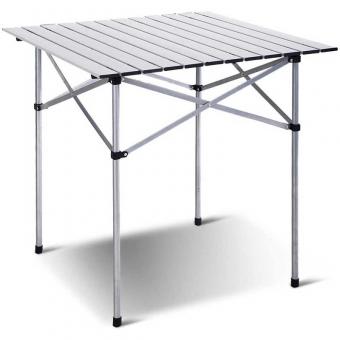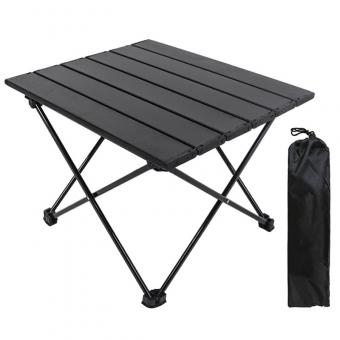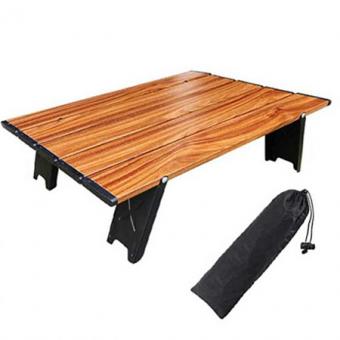
Brand: ANHUI FEISTEL FACTORY Relate Manufacturing: OEM & ODM Product: A lightweight, small, foldable picnic table perfect for outdoor activities. Made of durable materials, it's portable, easy to set up.
Neil welcome to our website !
learn moreAt FEISTEL, we treat a camping chair and a camping table as parts of the same outdoor living system. A chair can feel excellent in isolation but become inconvenient when its seat height, armrests or reclining position do not match the table beside it. Likewise, a compact table may look ideal on a product page yet leave too little working space for the meal, activity or group that the buyer actually has in mind. We recommend starting with the intended experience, then comparing the furniture as a coordinated setup.
This article prepares buyers for the 2027 camping season using product information available in October 2026. We do not pretend that an entire future year of field tests, sales statistics or customer feedback already exists. Our discussion combines established design considerations with the specifications FEISTEL actually publishes. Any product capacity, weight or dimension in the recommendations is a manufacturer-listed specification rather than a newly measured independent result. We encourage readers to verify the latest version before placing an order.
For consumers, the main questions are straightforward: Where will the furniture travel, how far must it be carried, who will use it, and what will happen at the table? For importers and private-label outdoor brands, we add manufacturing specifications, package design, sampling, inspection and destination-market obligations. A useful “best” recommendation should explain what a chair is best for and the circumstances under which another configuration is preferable. A marketing slogan cannot replace these decisions.
A camping chair and a camping table may both be well made and still form a poor pair. Consider a deep low-profile seat and a tall dining table. A person can end up reaching upward or leaning farther forward than desired every time they eat. Reverse the mismatch—use a high upright chair beside a very low table—and repeated bending may be inconvenient. Neither piece of equipment is necessarily defective; their geometry is simply mismatched for the activity.
We recommend separating table functions before selecting a chair. A side table normally supports small personal items. A dining table should accommodate place settings and shared dishes. A preparation table can have different requirements for working area, cleaning and material suitability. A table for lightweight personal objects does not automatically support a hot cooking appliance, and a chair’s rated seating load does not establish the safe load of a side table attached to it.
In FEISTEL product planning, a meaningful pairing specification would include loaded seat height, usable tabletop height, under-table clearance, seat depth, armrest elevation and the space needed to enter or leave the chair. These measurements make recommendations more useful than matching furniture by color alone. They also help B2B buyers compare samples and prevent a collection from becoming attractive in photographs but frustrating in actual use.
Low-back and ground-oriented camping chairs favor compact seating and a relaxed position close to the ground. They can be excellent for brief stops or casual leisure, but do not automatically align with a conventional dining table. Lightweight pole-frame chairs prioritize packed volume and carrying weight; their flexible fabric seats can sit lower under load than their empty measurements suggest. We advise checking the actual seated position rather than inferring working height from the chair’s external height.
A classic folding quad chair can provide a practical intermediate position for general camping and picnics. A director-style chair often uses a more defined upright seat, armrests and sometimes an integrated side table. That makes it attractive for fishing, market work and vehicle-based camping where objects should stay within easy reach. A padded or high-back relaxation chair may feel more suitable for watching the sunset or reading but can be less convenient when leaning toward a tall dining surface.
Our FEISTEL camping chair collection includes compact low seats, ultralight mesh designs, high-back relaxation chairs, folding director chairs and specialty seating. We recommend naming the exact structure in an article or quotation. A high-back moon chair is not automatically a director chair, and a stool is not a substitute for a supportive high-back seat. Accurate categories help people find a product that matches their task and help avoid misleading search traffic.
The term camping table covers several products with very different intended loads and functions. A small side table might hold a cup, reading material or light accessories. A dining table should offer enough usable area for its intended number of diners. A roll-top table can pack into a compact bundle, but the tabletop joints and support system still matter. A segmented folding table may create a flatter package, although its folded area can be large.
Cooking-preparation tables deserve separate attention. The capacity to support a cool, lightweight object is not evidence that a tabletop is suitable for a hot stove, flame, heavy cookware or food-contact cleaning. Heat resistance, surface treatment, clearances and structural limits must be stated by the applicable manufacturer. We recommend keeping cooking-equipment safety separate from general camping-furniture marketing and following the relevant equipment instructions.
Under this article’s product-selection scope, we discuss table types as design concepts but recommend products only from the FEISTEL Camping Chair category. That distinction matters: we should not quietly insert a model from a separate table category into a “recommended products” list. Instead, we show how a verified FEISTEL chair can be matched to a table whose dimensions and capacity the buyer independently confirms.
The relationship between loaded seat height and usable tabletop height affects reach, shoulder position and leg clearance. A chair can have a nominal height that changes after the fabric deflects under a seated person. We therefore prefer a sample-based comparison: open the chair on suitable level ground, sit in it normally, then check how the user reaches the table. A fixed numerical clearance advertised for all people would ignore substantial differences in body dimensions and activity.
For dining, examine whether the shoulders stay reasonably relaxed, whether elbows can approach the table comfortably and whether knees fit beneath it. For coffee and reading, a lower table beside a reclining chair may be perfectly practical even if it would not work for a full meal. Side-table placement also influences reach; an attached table may be convenient but should not obstruct the armrest, exit path or folding action.
An effective specification sheet records chair seat height, seated deflection where relevant, armrest height, table top height, underside clearance and open footprint. We recommend collecting these dimensions before approving a coordinated OEM/ODM furniture program. Matching by a single number, such as tabletop height alone, is a shortcut that can create hidden incompatibilities.
Usable surface area depends on activity, not simply the number printed after “person.” A two-person table used for drinks and snacks may require far less surface than a two-person table used for full dinner settings. Four chairs placed around a tabletop do not prove that four people can dine without crowding. We recommend placing representative plates, cups and shared items on a sample surface when evaluating dining capacity.
Shape influences usability. A rectangular table may offer different access around its long edges than a square table, while a narrow side table may excel at holding personal items but lack dining depth. Roll-top gaps, exposed hinges and edge rails can reduce the useful area for small-base objects. We recommend showing dimensions of the actual continuous working surface, not just the outside perimeter.
When planning a retail display or photo, we would rather show realistic items and appropriately spaced seating than an artificially crowded arrangement. Customers benefit when they can see how the table relates to actual FEISTEL chair dimensions. For commercial kits, declared seating capacity, number of included chairs and tabletop capacity should be specified separately.
A chair weighing less than one kilogram can be very appealing for backpacking, but the complete furniture system may still include a table, bags, poles and accessories. The combined packed weight—not the lightest component’s weight—is what the traveler carries. We suggest listing each item and its bag separately, then calculating the total for the intended arrangement. This is especially important when comparing a chair with an integrated side table against a chair plus a separate table.
Packed geometry matters as well. A long thin chair package may fit a vehicle corner while a wide flat director chair can fit against a partition. A short bundle might be better for a hiking pack, yet occupy more total volume than its appearance suggests. We recommend measuring the three packed dimensions, checking the storage opening and accounting for access to other equipment rather than relying on “ultra compact” as a measurable specification.
FEISTEL’s published 0.65 kg mesh chair and 6 kg director chair illustrate different design goals. The latter includes useful features that the former does not. These published product weights should not be interpreted as independently verified full-system carrying weights; table mass, bag mass and any chosen accessories must still be added.
A flat-folding director chair and a pole-frame chair use different storage strategies. The director style may retain much of its open width while becoming thinner; the detachable frame may form a smaller bundle but require assembly steps. A roll-top table often uses slats that collect into a compact package, while a panel-folding table may retain a broad flat shape. None is automatically superior, because storage efficiency depends on the available space and the full kit.
For frequent camp moves, setup effort deserves its own evaluation. Count components, confirm how joints engage, and consider whether the table and chair can be safely folded after dirt or rain exposure. An open-and-close demonstration is more useful than an unsupported “five-second setup” headline. We advise keeping fingers away from crossed members and following the exact product’s instruction sequence.
For a wholesale program, packing dimensions affect carton quantity, protective packaging and the way goods are handled in warehouses. A convenient consumer format is not necessarily the lowest-cost logistics format. We recommend evaluating the final retail box and master carton rather than only a bare chair in its smallest possible state.
Aluminum alloys and steel are both useful in outdoor furniture. Aluminum’s lower density can support lightweight design, whereas steel may offer practical structural and cost options in certain frame arrangements. Yet material labels alone do not determine whole-chair weight, strength or durability. Tube diameter, wall thickness, condition, bracing, welds, fasteners and fabric attachments all contribute to the assembly’s performance.
Our FEISTEL range includes a 7001 aluminum ultralight chair and a steel-frame director-style chair with side table. We use these as examples of different positioning rather than declaring an absolute material winner. The light chair prioritizes transportation; the director chair prioritizes a full upright structure and convenience features. Buyers should review product-specific frame data before extrapolating one model’s rating to another.
Corrosion and maintenance should also be considered. Aluminum is not entirely immune to chloride-related corrosion, and steel finishes can be damaged. Connections between dissimilar metals may require attention. We recommend identifying the environment and requesting appropriate evidence when corrosion resistance is a contractual requirement, rather than asserting that a chair is permanently rustproof.
Fabric marketing can become confusing because some labels name the fiber, others name the weave and others describe construction. Polyester and nylon are fiber types; Oxford describes a weave; mesh describes an open structure. A 600D or 900D yarn designation is not in itself a guarantee of seam strength, ultraviolet performance or service life. These characteristics depend on the complete textile specification and the way the seat is attached.
A mesh seat can allow airflow, which may be welcome in warm conditions. A more substantial woven panel can provide a different contact sensation, while padding can increase bulk and drying time. We recommend asking what the customer values: ventilation, pack size, cushioning, cleaning or visual presentation. The right answer may differ between summer festivals, vehicle camping and retail display seating.
Our published high-back model uses 900D Oxford and a mesh back panel, while the ultralight chair uses nylon mesh. We do not describe either construction as proven superior on every comfort or durability metric. A reliable comparison requires the exact seat geometry and, where needed, appropriately documented fabric or assembly testing.
A chair’s published seated-load rating, a table’s stated tabletop load and the stability of the combined setup are three different questions. A chair can have a substantial nominal capacity and still require level ground and appropriate use. Leaning on one armrest, sitting abruptly or placing a chair foot on an unsupported edge changes the forces in the frame. Similarly, objects placed at the edge of a table can produce different stresses and overturning moments from centrally placed loads.
When we cite FEISTEL capacities, we attribute them to the relevant listing. For example, our side-table director chair publishes a 150 kg seated rating; we do not apply that number to the attached table. When buyers require proof of compliance, we recommend requesting the method, sample identity, load configuration and test report associated with the exact ordered item.
The ground-contact footprint also matters. Narrow legs may penetrate soft sand, whereas wider supports can distribute load over a larger area. This is an engineering principle, not a promise that a particular untested accessory makes all furniture sink-proof. Buyers should choose level, suitable ground and evaluate the actual products under relevant conditions.
For backpacking, we usually prioritize actual carried weight and packed shape ahead of side-table convenience. A chair must travel alongside essential shelter, food and clothing; a separate table adds another object that needs justification. We recommend considering whether the intended activity genuinely requires a work surface or whether a compact resting chair is sufficient. A smaller overall system can be more practical than a feature-rich campsite arrangement on a long route.
The FEISTEL 0.65 kg ultralight mesh chair, model GW-102107, is a relevant starting point: it lists a 7001 aluminum frame, nylon mesh, an open size of 62 × 58 × 48 cm and packed dimensions of 12 × 12 × 35.5 cm. We treat these as published measurements for comparison, not an independent endurance test or a claim that the chair fits every backpack or person.
For a complete backpacking setup, evaluate the bag, assembly parts, site surface and carry comfort. A low seat may be fine for snacks and rest breaks but less suitable next to a tall dining table. Our recommendation is to avoid purchasing a larger table unless its practical value outweighs the added mass and setup work.
Vehicle-supported camping permits different compromises. A user can sometimes accept a heavier chair in return for a more upright seat, arm supports, a folding side table or a larger backrest. The question becomes whether these features improve campsite life enough to justify their transport and storage cost. We recommend mapping the vehicle storage space as carefully as the open campsite footprint.
Our GW-CC092904 folding director chair with side table is listed at 6 kg with a steel frame, 600D Oxford fabric, 45 cm seat height, storage pouch and published 150 kg seating capacity. It suits the discussion of vehicle-oriented convenience because the side table keeps small objects nearby. At the same time, we caution that it is not an ultralight chair and that the attached table has its own operating limits.
For an RV, check compartment opening width and depth before ordering. A flat-folding package can be convenient behind a partition but awkward in a narrow bin. A separate dining table may still be necessary when several people eat together. We recommend pairing furniture around the actual daily routine rather than purchasing every possible convenience feature.
Overlanding furniture is repeatedly loaded, unloaded, opened and packed. We recommend treating these cycles as part of the buying decision. A chair that is comfortable for one weekend but frustrating to store every morning may not suit a long journey. The folded package should fit within the cargo layout, and frequently used items should remain accessible without unloading everything else.
Ease of cleaning and operation can matter as much as seat softness. Mud, dust, rain and sand may accumulate in hinges, hubs and fabric attachments. We suggest following model-specific cleaning instructions, inspecting moving parts and drying materials before prolonged storage. We do not claim a fixed service life for a chair based only on personal anecdotes from other travelers.
An overlanding table may be used for multiple tasks, but each task still requires appropriate capacity and material suitability. A surface intended for casual dining should not be assumed compatible with hot cookware. Our recommended planning method is to list storage volume, setup steps, intended working heights and maintenance needs before selecting a complete furniture arrangement.
A two-person setup can be compact without sacrificing practical access. The main decision is whether the table serves drinks and snacks or a complete meal. Two chairs and a tiny shared surface may look tidy, but the users may need more space for plates, a lantern or personal items. We recommend evaluating the actual objects that will be present rather than choosing a nominal “two-person” table by name alone.
Not every pair of campers prefers the same seat. One person may prefer an upright position for reading or eating, while the other likes a high-back reclined arrangement. We do not insist on identical chairs unless matching appearance is itself part of the buying goal. What matters is that each person can sit comfortably, reach the table and stand without obstructing the other.
For retailers preparing pair packages, clarify exactly which items are included. Two chairs and one table are not the same offer as one chair with an attached side table. We recommend separate model descriptions and published measurements for each component to avoid misunderstandings about portability and price.
Four-person camping requires a larger circulation plan than simply fitting four chairs around a table. Open chair widths, armrests, reclining movement and walking paths all consume space. A table may nominally accommodate four place settings, but a cramped arrangement can make standing or serving food difficult. We recommend laying out the real open dimensions and leaving appropriate clearance for the specific site.
For families, we also distinguish adult chairs from seating intended for children. A capacity rating for adults does not automatically establish suitability for smaller users, and folding mechanisms can have pinch points. Product instructions and appropriate supervision remain important. The goal is a convenient family arrangement, not a photograph showing the maximum possible number of chairs in a small area.
A commercial four-person package needs clear inclusion lists, consistent color options and exact component specifications. If one table height must serve all the chairs, test the relationship with representative seats rather than assuming all camping chairs have a standardized seating height. FEISTEL can supply chair alternatives for different user preferences, while specific table selection remains outside this article’s restricted recommendation range.
Beach picnics introduce soft sand, moisture and carrying distance. An attractive low-profile chair may suit relaxation, but narrow feet can sink into loose granular ground. A table also needs a suitable support surface, not merely a level-looking top. We recommend evaluating actual foot area and terrain compatibility; a non-slip pad intended for hard floors is not necessarily an anti-sink foot for sand.
Fishing and outdoor market work may benefit from a more upright chair with an attached side table because the user often handles small items. For festivals and spectator events, the permitted seat height, footprint and any venue restrictions may matter more than convenience features. A bulky chair can disrupt an aisle even when it feels comfortable to the owner. We recommend checking site rules and nearby clearance before buying.
Our FEISTEL product suggestions therefore differ by application. A side-table director chair may be useful for fixed-site convenience; a 0.65 kg mesh chair may be preferable for carrying farther; a high-back chair can support a different relaxation style. We explain these recommendations as application matches, not verified rankings from an unpublished FEISTEL consumer survey.
For campsite reading, evening conversations and scenic breaks, many users value a relaxed backrest and comfortable arm support. A high-back camping chair can provide a larger upper-body support area than a compact low-back seat. However, the longer backrest does not automatically make the chair better for every body type. Seat depth, recline angle, fabric tension and head support all influence the sitting experience.
Our FEISTEL high-back relax chair GW-CC101601 is listed with a 6013 aluminum frame, 900D Oxford fabric, pillow, arm supports, cup holder, 1.93 kg net weight and a rated 120 kg capacity. These published specifications make it a useful comfort-oriented option to consider beside a small leisure table. They do not prove that it is the most comfortable chair for every user or that it has won a 2027 field test.
A low side table may align more naturally with a relaxed seat than a tall dining surface, but reach should be assessed in the actual seated posture. We recommend showing table access in photography rather than positioning a high table beside a reclined chair merely for a visually balanced marketing image.
Director-style camping chairs with built-in side tables bridge the gap between a standalone seat and a personal work surface. They can simplify stationary activities such as fishing, note-taking or relaxing beside a vehicle. The table is convenient because it travels with the chair, but the complete assembly may be heavier and bulkier than a compact seat alone. This is a deliberate design trade-off rather than an inherent advantage in every situation.
FEISTEL GW-CC092904 publishes a steel frame, 600D Oxford fabric, 45 cm seat height, 6 kg weight, side table, storage pouch and 150 kg seated-load rating. We place it in the vehicle-camping and fixed-site convenience category. The seating rating is not the table rating, so buyers should confirm the table’s intended load and the locking mechanism before using it for objects beyond light everyday accessories.
For wholesale projects, attached tables can be a useful differentiator but need their own acceptance criteria. Table size, opening action, attachment quality and folding clearance should be defined alongside the chair specification. We advise describing each functional claim precisely rather than saying the attached table can replace any standard camping table.
Comfort involves more than cushioning. Chair width, seat depth, seat height, back angle, armrest location and fabric tension influence how the body is supported. For a dining activity, easy forward reach may be more useful than a deeply reclined seat. For reading or casual conversation, a high back and relaxed posture may be preferred. We do not present either configuration as medically corrective or universally ergonomic.
If a buyer asks about long-session comfort, we recommend using representative samples and describing what users actually do during the session. A vendor may sit, stand and reach for items repeatedly; a leisure camper may sit almost continuously. These activities load the same chair differently and create different preferences. A small internal trial can guide design, but it should not be presented as a statistically representative customer survey without a proper method.
We also recommend making it easy for readers to distinguish nominal dimensions from effective seated positions. Flexible fabrics may deform, and the actual sitting experience can change with the user’s body shape. A useful product page should provide accurate dimensions and visible seating photographs, rather than promising that a chair eliminates fatigue during extended use.
Outdoor furniture experiences different forms of exposure: sunlight, moisture, abrasive sand, repeated folding and transportation impacts. The overall lifespan depends on more than the frame material. Seams, connectors, hinges, surface coatings, table fasteners and storage conditions all influence service performance. We avoid universal promises that a material will survive a specific number of years or trips unless a clearly defined test supports the statement.
After use, we suggest removing loose dirt, following the product’s care instructions and allowing fabric and metal connections to dry before extended storage. Sand can accumulate in moving parts, and salty moisture can affect accessible hardware. An attached side table introduces additional pivots and supports that should be checked along with the main chair frame.
For an import program, durability can be translated into agreed testing and inspection requirements. Yet static seating tests, folding-cycle tests, fabric tests and corrosion evaluations are not interchangeable. We recommend defining the exact performance claim first, then identifying what evidence is needed, rather than creating a broad claim such as “lifetime outdoor durability” from unrelated documents.
A folding chair or table contains moving members that need to be operated as designed. Director frames can include crossing members, while pole-frame chairs use separate joints and fabric attachment points. Tables may have hinges, locking braces or roll-top components. We recommend following the specific setup sequence, checking that supports engage correctly and keeping fingers clear of known pinch points.
A table or chair that stands on firm level ground may behave differently on uneven soil. If one leg does not contact the ground properly, load distribution changes. The correct response is not to assume that a published static load rating covers every uneven surface. We recommend selecting appropriate terrain, using any specified adjustments correctly and not improvising unsupported modifications.
Commercial buyers may benefit from illustrated instructions and short videos showing the actual production model. An edited promotional video that skips critical locking or folding steps is less useful than a clear demonstration. We recommend documenting product-specific warnings and verifying that packaging includes the agreed instructions.
Our recommendations are purpose-specific rather than a claimed ranking of the entire 2027 market. For lightweight travel, we suggest considering FEISTEL GW-102107, the 0.65 kg 7001-aluminum mesh chair. For relaxed stationary seating, GW-CC101601 provides a published high-back construction, pillow, arm supports and cup holder at 1.93 kg. For personal tabletop convenience, GW-CC092904 is our steel-frame folding director chair with an attached side table. Each option serves a different travel and sitting requirement.
For buyers seeking minimal luggage volume, FEISTEL also lists a compact 0.56 kg folding chair with a 7001 aluminum frame, 420D nylon seat and approximately 30 × 11 cm packed size. It should be evaluated as a compact rest seat, not assumed to deliver the same dining position or accessory convenience as a full-size director chair. We recommend checking the actual product’s open dimensions and seating posture before pairing it with a taller table.
All product suggestions in this article come from the FEISTEL Camping Chair category or its product pages. We intentionally omit independent tables from outside that category. A buyer designing a coordinated kit should confirm the table separately and avoid relying on a product picture to establish height, strength or compatibility. Our product links below provide the best starting point for specification review.
0.65 kg; 7001 aluminum frame; nylon mesh; open size 62 × 58 × 48 cm; packed 12 × 12 × 35.5 cm. Best-fit discussion: backpacking and short outdoor rests.
1.93 kg; 6013 aluminum frame; 900D Oxford; pillow, armrests and cup holder; listed 120 kg seating capacity. Best-fit discussion: campsite relaxation.
6 kg; steel frame; 600D Oxford; seat height 45 cm; side table, storage pouch; listed 150 kg seating capacity. Best-fit discussion: vehicle camping and fixed-location activities.
For backpacking, give greater weight to total carried mass, compact packing and acceptable rest comfort. For vehicle camping, consider seat height, back support, tabletop reach and the number of people sharing the setup. For overlanding, add repeatable deployment, cleaning and cargo access. For family dining, increase attention to circulation space, tabletop area and chair-to-table clearance. For fishing or event work, an upright chair with personal storage or a side table may be convenient.
We recommend a weighted checklist instead of an unsupported universal score. Buyers can rank their own criteria—portability, comfort, size, maintenance and budget—then evaluate each FEISTEL model against them. A weighted method makes trade-offs visible, but the weights are a purchaser’s preferences, not scientific constants. We should not present the outcome as an independent product test unless the underlying assessment was actually conducted.
This approach also benefits retailers. A product assortment can include complementary chairs for ultralight travel, leisure, upright task seating and compact backup use. The objective is not to force every shopper toward the most feature-rich chair but to explain which configuration answers which problem.
FEISTEL’s company profile describes manufacturing, product development, quality management and OEM/ODM support. For a custom camping-chair program, we recommend documenting the intended use, target customer, dimensions, frame material, fabric, accessories, packaging and destination-market requirements before discussing final production. A logo change may be simple; changing the seat structure or side-table attachment can affect loads and manufacturing consistency.
For a proposed chair-and-table program, matching standards should cover seat height, table height, open footprint, folding clearance and separate load requirements. If the buyer already has a table supplier, we recommend comparing approved samples rather than estimating compatibility from photographs. A supplier should not be assumed to provide a specific certification, MOQ or delivery promise merely because it has general OEM capabilities.
Commercial terms should be verified for the actual inquiry. Materials, colors, packaging, quotations, lead times and testing scope may vary between projects. We prefer clear drawings, approved samples and agreed acceptance conditions over broad claims that every requested configuration can be produced without trade-offs.
A reliable chair-and-table buying guide should separate nominal specifications from test results. A published 150 kg chair rating tells buyers what the product page states; a complete test report should additionally identify its sample, method, loading conditions and acceptance criteria. A statement that a product is “tested” is much less informative without those details. The table, chair and any attached accessories may require separate evaluations.
Our company profile describes incoming-material review, production monitoring, finished-product inspection and compliance-related capabilities. We use that published organizational background when explaining how FEISTEL approaches manufacturing. We do not transform external product reviews, unnamed customer remarks or generic industry demonstrations into fabricated FEISTEL laboratory achievements.
If buyers request cyclic-folding endurance, corrosion performance, fabric strength or table-loading tests, the first step is to agree on a protocol and the specific model. We recommend retaining records that can support exactly the marketing statement later used. This protects the customer, the supplier and the integrity of the published product description.
The first common mistake is buying a chair and a table separately without checking their working heights. Another is assuming that a compact-looking kit has a low combined weight. Some buyers focus on headline chair capacity but overlook the table’s independent rating or the stability of the assembled arrangement. These mistakes can often be prevented with a simple dimensional and use-case checklist.
A second group of mistakes involves product labeling. Not every high-back chair is a dining chair; not every director chair is ultralight; not every fabric described as Oxford is waterproof; and not every roll-top table is designed for hot cookware. We recommend translating descriptive labels into verifiable specifications and suitable use conditions.
For commercial sourcing, purchasing from photographs without agreed sample criteria can produce mismatched expectations. We recommend evaluating actual pieces, documenting accessories and confirming what is included in the shipment. This is more effective than relying on unspecified claims of premium quality or a future-year “best” ranking.
What is the best chair for a camping dining table? We recommend a chair whose loaded seat height, backrest position, armrest clearance and reach match the actual table. Can a low camping chair be paired with a table? Yes, especially a suitably low side table, but dining compatibility must be tested. Is the lightest chair always the best? No; sitting comfort, frame suitability and total kit weight also matter.
Can a chair with an attached table replace a dining table? Only for activities within the attached table’s stated dimensions and safe load; it should not automatically replace a shared dining surface. Does a 150 kg seating rating mean the table holds 150 kg? No. Can FEISTEL supply OEM/ODM camping chairs? Our company publishes OEM/ODM capabilities, and project-specific options require confirmation. Do our 2027 recommendations represent field tests completed in 2027? No; they are a current buying guide for the forthcoming season.
How many chairs fit a four-person table? It depends on actual tabletop dimensions, chair widths and circulation clearance rather than the label alone. Can camping furniture be used on beaches? Some configurations can, but sand support, moisture care and ground suitability must be checked. What should wholesalers verify? Product identity, current specifications, samples, packing information, test evidence where necessary and the destination market’s applicable requirements.
At FEISTEL, we do not believe there is one universally best camping chair and table set for 2027. The more useful question is which combination supports a specific outdoor activity without unnecessary weight, awkward reach or unreliable setup. Backpacking favors compact carrying; car camping creates room for comfort and accessories; family dining requires adequate tabletop space; fishing and market work can benefit from upright seats and nearby personal surfaces.
Our official camping chair range offers several configurations for these needs: ultralight mesh seating, compact folding chairs, high-back relaxation seating and director-style chairs with attached tables. We encourage consumers and professional buyers to compare real dimensions and current product descriptions, then request any necessary technical documentation. A well-matched setup creates more practical value than a list of unsupported superlatives.
For retailers, importers and outdoor brands planning their 2027 assortments, FEISTEL welcomes specification-led inquiries and OEM/ODM discussions. We recommend choosing the chair by the intended user and confirming the independent table specification separately. That is the clearest route from a search for “best camping chairs and tables” to a product combination the customer can use with confidence.
Categories
New Blog
Brand: ANHUI FEISTEL FACTORY Relate Manufacturing: OEM & ODM Product: A lightweight, small, foldable picnic table perfect for outdoor activities. Made of durable materials, it's portable, easy to set up.
Brand: ANHUI FEISTEL FACTORY Relate Manufacturing: OEM & ODM Product: The custom lightweight metal iron foldable moon chair offers durable support and comfort, ideal for outdoor camping, with a compact, portable design for easy transport and storage.
Brand: ANHUI FEISTEL FACTORY Relate Manufacturing: OEM & ODM Product: Outdoor Portable Folding Roll Up Picnic Table: Lightweight, durable aluminum design with adjustable height, easy setup, and compact carry bag for camping, picnics, and outdoor activities.
Brand: ANHUI FEISTEL FACTORY Relate Manufacturing: OEM & ODM Product: A versatile, portable IGT BBQ camping table with adjustable height legs. Ideal for outdoor cooking, camping, and picnics. Lightweight and foldable for easy transport.
Brand: ANHUI FEISTEL FACTORY Relate Manufacturing: OEM & ODM Product: Compact and lightweight aluminum folding table, perfect for camping, beach, or outdoor activities. Easy to carry, sturdy, and ideal for holding food and drinks.
Brand: ANHUI FEISTEL FACTORY Relate Manufacturing: OEM & ODM Product: This camping foldable wooden lounge chair features a sturdy frame, ergonomic reclining design, and compact folding structure—perfect for relaxing at the beach, campsite, or backyard.
Brand: ANHUI FEISTEL FACTORY Relate Manufacturing: OEM & ODM Product: This Outdoor Folding Aluminum Frame Camping Chair features an adjustable backrest, lightweight yet sturdy design, offering portable comfort for camping, beach trips, picnics, and outdoor relaxation.
Brand: ANHUI FEISTEL FACTORY Relate Manufacturing: OEM & ODM Product: The hiking backpacking mini stool combines a durable Oxford fabric foldable design with a creative pencil case pocket, offering portability, comfort, and practicality for camping and outdoor adventures.
Brand: ANHUI FEISTEL FACTORY Relate Manufacturing: OEM & ODM Product: The wholesale hiking equipment travel sleeping bed is an adjustable-height folding camping cot offering sturdy support, easy portability, and comfortable rest for outdoor adventures.
Brand: ANHUI FEISTEL FACTORY Relate Manufacturing: OEM & ODM Product: An outdoor ultralight single compact portable folding camping bed ideal for backpacking, featuring a durable frame, easy setup, and a convenient carry bag for travel.
LET’S STAY CONNECTED :