600D vs. 900D Oxford Fabric for 360-Degree Swivel Beach Chairs: Waterproofing, Wear-Resistance, and Breathability Compared
2026-04-10
When sourcing a 360-degree swivel beach chair, one of the most critical decisions you will face is selecting the right Oxford fabric for the seat and backrest. The two most common options in the outdoor furniture industry are 600D and 900D Oxford fabric, yet many buyers mistakenly assume that a higher denier rating is automatically better for every use case.
In reality, 600D and 900D Oxford fabrics serve distinctly different purposes. Understanding their technical differences in waterproofing, wear-resistance, and breathability is essential for making informed procurement decisions that balance durability, comfort, cost, and portability.
This comprehensive guide decodes the technical specifications of 600D and 900D Oxford fabric, compares their performance across the three most critical metrics for beach chairs, and provides actionable guidance for B2B buyers looking to source 360-degree swivel beach chairs for resort, retail, or wholesale distribution in 2026 and beyond.
What Denier Actually Means (And What It Does Not)
Before comparing these two fabrics, it is essential to understand what the number actually represents—and what it does not tell you.
Denier (D) is a unit of measurement that describes the linear mass density of fibers. Technically, it is defined as the weight in grams of 9,000 meters of a single filament. If 9,000 meters of a particular fiber weighs 600 grams, that fiber is classified as 600D. If it weighs 900 grams, it is classified as 900D.
In practical terms, a higher denier means thicker, heavier yarns, which generally result in a more durable fabric. From a visual standpoint, the larger the D number, the thicker the yarn and the thicker the finished fabric; conversely, a lower D number yields finer yarns and thinner finished fabric.
However, denier alone does not automatically tell you:
Waterproof level (this depends mostly on coating/lamination plus construction)
Tear strength (depends on density, yarn quality, weave, and finishing)
Fabric weight (GSM) — the same denier can appear in very different GSM builds depending on coating and density.
For example, 600D PU-coated Oxford can weigh around 180–230 GSM, while 600D PVC-coated or PVC backing versions can weigh 350–550 GSM—the same denier, yet completely different in product feel and use-case.
A quick reference for how different denier ratings compare:
Denier
Characteristics
Typical Applications
210D
Feather-light, thin, supple
Bag linings, lightweight rain covers
300D
Balanced mainstream choice
Everyday bags, tent components
600D
Workhorse medium denier
Backpacks, outdoor chairs, gear bags
900D
Heavy-duty
Tougher backpacks, stronger covers
1200D
Industrial-grade
Heavy-duty covers, equipment protection
1680D
Maximum abrasion resistance
Premium luggage, tactical gear
Higher denier yarns produce thicker, tougher, and more abrasion-resistant fabric. However, denier is not the only factor—coating type and weave density also play crucial roles.
1. Wear-Resistance: The Durability Advantage
Winner: 900D Oxford Fabric
Wear-resistance is arguably the most important performance metric for beach chairs, which face constant abrasion from sand, salt, and frequent folding and unfolding.
900D Oxford Fabric uses yarns that are 50% heavier than 600D—9,000 meters of fiber weighs 900 grams compared to 600 grams for 600D. This increased yarn thickness translates directly into superior durability. The 900D Oxford is thicker and more durable than 600D, offering greater resistance to abrasion, tears, and harsh conditions, making it ideal for heavy-duty applications such as tactical rucksacks, military gear, and outdoor equipment.
For beach chairs, this means:
Better sand resistance: Thicker yarns are less likely to trap fine sand particles in the weave
Higher tear strength: 900D polyester weave delivers approximately 30% higher tear resistance than standard Oxford fabrics
Extended product lifespan: 900D Oxford fabric is designed to withstand heavy use and resist tearing, with high-density polyester fibers and PU coating providing exceptional durability
Extreme weather performance: 900D Oxford cloth is better for wear-resistant and tear-resistant applications, capable of lasting in extreme weather such as sunlight, rain, and snow
600D Oxford Fabric, while still highly durable for recreational use, uses lighter yarns. It offers sufficient thickness to resist tears and abrasion from regular use, with moderate weight that does not compromise portability. However, in commercial applications where chairs see daily use from multiple guests—such as resorts, beach clubs, or rental operations—600D may show wear sooner than 900D.
In applications where abrasion is a major issue (dragging across sand, scraping against other gear), 900D or higher deniers are recommended for maximum longevity. For most recreational users, however, 600D provides ample strength while keeping chairs portable—the additional heft of 900D is often unnecessary.
2. Waterproofing: Coating Matters More Than Denier
Winner: Depends Entirely on Coating—Not Denier
This is where many buyers make their most expensive mistake. The denier rating has relatively little to do with how waterproof a fabric is. Waterproof level is determined primarily by coating/lamination and construction, not by denier alone.
Both 600D and 900D Oxford fabrics can achieve identical waterproofing performance if they receive the same coating treatment. Quality Oxford fabrics with proper coatings can achieve hydrostatic resistance ratings of 1000mm, 3000mm, or 5000mm water pressure.
Coating Types Explained
PU Coating (Polyurethane)
Softer hand feel, more flexible
Lighter weight—typically 180–230 GSM for 600D PU-coated
Good water resistance
Remains supple in various temperatures
More environmentally friendly than PVC
PVC Coating (Polyvinyl Chloride)
Heavier and stiffer—600D PVC-coated can weigh 350–550 GSM
Excellent waterproof protection
Extremely durable and rugged
Can become rigid in cold temperatures
Distinct "plastic" feel
The same denier can appear in very different GSM builds depending on coating and density. For beach chairs that will be used in saltwater environments, both 600D and 900D with PU or PVC coatings deliver effective moisture resistance. Many commercial beach chairs specify water-resistant 600D Oxford fabric with PU coating, offering tear-resistance and waterproofing for outdoor use. Similarly, premium chairs featuring 900D Oxford fabric are described as waterproof and corrosion-resistant, ensuring long-lasting durability.
Critical buyer insight: When evaluating Oxford fabric for beach chairs, do not assume that 900D is automatically more waterproof than 600D. Always confirm the coating type (PU vs. PVC) and the hydrostatic head rating (e.g., 2000mm, 3000mm, 5000mm). A 600D fabric with a 3000mm PU coating will outperform an uncoated 900D fabric in wet conditions every time.
High-quality 600D Oxford fabric can achieve UPF 50+ ratings, blocking up to 98% of harmful UV rays, and hydrostatic resistance ratings of 2000mm or higher. Both deniers, when properly coated, can achieve water pressure ratings of 1000/3000/5000 mm.
3. Breathability: The Comfort Factor
Winner: 600D Oxford Fabric (Slightly Better)
Breathability determines how comfortable the chair feels during prolonged use, especially in hot beach environments where sweat and moisture can accumulate.
600D Oxford fabric is not inherently highly breathable due to the nature of the polyester fiber, the tight Oxford weave, and the common use of coatings. However, 600D generally offers better breathability than 900D for several reasons:
Lighter yarns: The thinner 600D yarns create a slightly more open weave structure, allowing more airflow
Lower GSM: The lighter fabric weight (180–230 GSM for PU-coated 600D vs. 220–280 GSM for PU-coated 900D) means less material density and potentially better air circulation
Flexibility: 600D fabrics are often paired with breathable mesh panels in chair designs to enhance comfort
Higher denier fabrics like 900D, with their thicker yarns and denser construction, naturally restrict airflow more. The 900D Oxford is heavier and thicker, and while this enhances durability, it reduces breathability.
Oxford cloth offers moderate breathability depending on its denier rating and whether it has PU/PVC coatings for waterproofing. Lighter versions are more breathable and comfortable for summer gear.
For 360-degree swivel beach chairs where users may remain seated for extended periods watching the ocean or socializing, breathability is a meaningful comfort consideration. 600D's slightly better airflow can make a noticeable difference in hot, humid beach conditions.
Some manufacturers incorporate design features to compensate for reduced breathability in higher-denier fabrics, such as ventilated back panels or mesh inserts. When sourcing, look for chairs that specify breathability features regardless of the base fabric denier.
The Critical Role of Coating: PU vs. PVC
As noted above, coating type often matters more than denier for waterproofing. But coatings also affect other properties that matter for beach chairs:
Property
Coating
PVC Coating
Weight
Lighter (180–230 GSM for 600D)
Heavier (350–550 GSM for 600D)
Flexibility
Excellent—remains supple in all temperatures
Can become rigid in cold weather
Hand feel
Soft, fabric-like
Plastic-like, stiffer
Waterproofing
Good to excellent (1000–5000mm)
Excellent
Durability
Good
Very high
Environmental impact
Lower (fewer plasticizers)
Higher
Cost
Moderate
Generally lower
For beach chairs, PU coating is often preferred because it maintains a softer, more comfortable feel against the skin while providing reliable water resistance. PVC coating may be suitable for heavy-duty commercial applications where maximum waterproofing is required and the plastic feel is acceptable.
Key takeaway: When sourcing Oxford fabric for beach chairs, always specify both denier AND coating type. "600D" alone is insufficient—you need to know whether it is PU or PVC coated, and what the hydrostatic head rating is.
Practical Applications: Which Fabric for Which Scenario?
Use Case
Recommended Fabric
Rationale
Resort and hotel pools/beaches
600D with PU coating
Balanced durability, good breathability, professional appearance, cost-effective for volume purchasing
Heavy-duty commercial rental
900D with PVC coating
Maximum wear-resistance for daily guest use, superior tear strength
Retail consumer beach chairs
600D with PU coating
Sweet spot of durability and portability; meets most consumer expectations
Premium/luxury beach chairs
900D with PU coating
Enhanced durability as a selling point; justifies higher price point
High-humidity tropical locations
600D with breathable mesh elements
Better airflow for comfort; coating maintains waterproofing
Compact/travel beach chairs
600D with PU coating
Lighter weight for portability; easier folding and packing
For most recreational users and standard retail applications, 600D Oxford fabric represents the optimal balance of durability, weight, and cost. This "workhorse" denier offers sufficient thickness to resist tears and abrasion while keeping chairs portable enough for transport.
For heavy-duty applications such as beach clubs, resorts with high chair turnover, or rental operations, 900D Oxford fabric provides the extra margin of durability that justifies the additional weight and cost.
B2B Sourcing Considerations for 360-Degree Swivel Beach Chairs
When sourcing 360-degree swivel beach chairs in wholesale quantities, consider the following factors beyond fabric denier alone:
Price and Cost Structure
Standard uncoated or PU-coated 600D and 900D fabrics typically range between $0.95 per yard depending on volume and specifications. 900D commands a premium due to its heavier yarn weight and higher material consumption per square meter.
Minimum Order Quantities (MOQ)
Many manufacturers offer flexible MOQ options for 600D chairs, with 900D often requiring larger minimums due to higher material costs and less common demand. Confirm MOQ specifications before committing.
Customization Options
Both deniers can be customized with:
Brand logos (woven labels, printed logos, or embroidery)
Custom colors from extensive fabric libraries
OEM packaging (stuff sacks, hang tags, poly bags)
Quality Verification
Request samples before bulk ordering. Verify:
Fabric weight (GSM) matches specifications
Coating uniformity and adhesion
Seam reinforcement at stress points
UV resistance testing results
Hydrostatic head test results
Sample Policy
Reputable suppliers offer sample programs. Standard items may be free with buyer paying shipping, while custom samples involve a fee typically refundable with first bulk order. Sample production often takes 7–10 days.
Conclusion: Matching Fabric to Purpose
The choice between 600D and 900D Oxford fabric for 360-degree swivel beach chairs comes down to matching material properties to specific use cases and business priorities.
Choose 600D Oxford Fabric If:
You are sourcing for retail consumer channels
Portability and reasonable weight matter for end-users
Your target price point requires cost-effective materials
The chairs will see moderate, recreational use
Breathability is a meaningful comfort consideration
Choose 900D Oxford Fabric If:
You are supplying commercial operations (resorts, beach clubs, rental companies)
Maximum durability and tear resistance are non-negotiable
Your brand positioning justifies a premium material specification
Weight is less of a concern than longevity
The chairs will see daily, heavy-duty use
Neither fabric is universally "better"—each serves different market segments and use cases. The key is understanding that denier alone does not tell the full story. Always evaluate coating type, GSM, weave density, and construction quality alongside denier when making sourcing decisions for 360-degree swivel beach chairs.
By carefully matching fabric specifications to your target application, you can optimize the balance of durability, comfort, portability, and cost—ensuring that your beach chairs deliver lasting value to end-users and sustainable margins for your business.
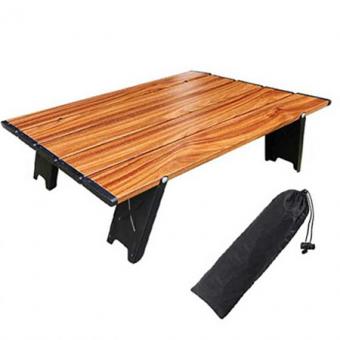
Brand: ANHUI FEISTEL FACTORY Relate Manufacturing: OEM & ODM Product: A lightweight, small, foldable picnic table perfect for outdoor activities. Made of durable materials, it's portable, easy to set up.
Brand: ANHUI FEISTEL FACTORY Relate Manufacturing: OEM & ODM Product: The custom lightweight metal iron foldable moon chair offers durable support and comfort, ideal for outdoor camping, with a compact, portable design for easy transport and storage.
Brand: ANHUI FEISTEL FACTORY Relate Manufacturing: OEM & ODM Product: Compact and lightweight aluminum folding table, perfect for camping, beach, or outdoor activities. Easy to carry, sturdy, and ideal for holding food and drinks.
Brand: ANHUI FEISTEL FACTORY Relate Manufacturing: OEM & ODM Product: This camping foldable wooden lounge chair features a sturdy frame, ergonomic reclining design, and compact folding structure—perfect for relaxing at the beach, campsite, or backyard.
Brand: ANHUI FEISTEL FACTORY Relate Manufacturing: OEM & ODM Product: The hiking backpacking mini stool combines a durable Oxford fabric foldable design with a creative pencil case pocket, offering portability, comfort, and practicality for camping and outdoor adventures.
Brand: ANHUI FEISTEL FACTORY Relate Manufacturing: OEM & ODM Product: An outdoor ultralight single compact portable folding camping bed ideal for backpacking, featuring a durable frame, easy setup, and a convenient carry bag for travel.
Newsletter
Subscribe to our newsletter to receive news, updates, and special offers by email.