Foldable Camping Box vs. Traditional Rigid Crate: Which Storage Solution Is Driving Higher Sales in 2026?
2026-04-09
In the ever-evolving world of outdoor gear, storage solutions have taken center stage as campers and outdoor enthusiasts increasingly prioritize organization, portability, and efficiency. The debate between foldable camping boxes and traditional rigid crates has intensified in 2026, with significant market shifts revealing a clear trend: collapsible storage is gaining serious momentum.
But is the foldable camping box genuinely outperforming the traditional rigid crate in sales, and if so, why? This comprehensive comparison examines the critical factors driving consumer preference, analyzes market data, and helps you determine which storage solution deserves a spot in your gear lineup for 2026.
Market Overview: The Numbers Behind the Shift
The camping storage containers market is experiencing steady, robust growth as outdoor activities gain global popularity. Valued at approximately USD 2.13 billion in 2024, the market is projected to reach USD 3.50 billion by 2035, reflecting a compound annual growth rate (CAGR) of 4.6% during the forecast period. This expansion is fueled by rising participation in camping, hiking, and outdoor recreation, as well as increasing demand for durable, portable storage solutions.
Within the broader storage ecosystem, the Outdoor Storage Box Market was estimated at USD 5.12 billion in 2025, expected to reach USD 5.41 billion in 2026 at a CAGR of 6.27%, with projections hitting USD 7.84 billion by 2032. These figures indicate sustained, healthy growth across all storage categories.
However, the most telling trend lies in the performance of specific subcategories. According to market analysts, multifunctional gear and space-efficient products are emerging as the fastest-growing segments within the camping equipment market. The foldable camping box, with its ability to collapse for storage, expand for organization, and withstand rugged environments, has emerged as a star performer on retail shelves and e-commerce platforms alike.
Why Foldable Camping Boxes Are Winning in 2026
1. Unmatched Space Efficiency
The single most compelling advantage of foldable camping boxes is their ability to collapse when not in use. While a traditional rigid crate maintains the same footprint whether full or empty, a quality folding box can compress to as little as 30% of its expanded volume—saving 70% or more of precious storage space.
Some models collapse to just 9 cm (approximately 3.5 inches) in height, allowing multiple units to nest efficiently in vehicle trunks, gear closets, or storage rooms. For urban dwellers with limited garage space, weekend campers with compact cars, or overlanders maximizing every cubic inch, this feature is transformative.
The space-saving benefit extends beyond storage. When folded flat, these boxes slide easily under beds, into drawers, or behind furniture—applications that traditional rigid crates simply cannot accommodate. For seasonal campers who store gear for months at a time, this flexibility is invaluable.
2. Lightweight Construction Without Sacrificing Strength
Modern foldable camping boxes leverage advanced materials like high-strength polypropylene (PP) composites and eco-friendly reinforced plastics, achieving an optimal balance between weight reduction and structural integrity.
While standard rigid crates typically weigh 3–5 kg, premium folding options can weigh as little as 2.4 kg while still supporting impressive loads—the BigAnt 48L folding crate, for instance, boasts a static capacity of 800 kg (1765 lbs) despite weighing only 2.4 kg. This exceptional strength-to-weight ratio makes folding boxes easier to carry, transport, and handle without compromising on durability.
3. The Rise of Multifunctional Design
Consumer demand has shifted from single-purpose items to equipment capable of replacing multiple single-purpose products. According to the Outdoor Industry Association (OIA), over 58% of campers express a desire to reduce the number of items they carry while increasing the efficiency of each piece of equipment. Statista’s Global Outdoor Consumer Report further confirms that over 65% of campers prefer products offering multi-purpose functionality.
Foldable camping boxes have responded to this demand with remarkable innovation. Many 2026 models feature:
Load-Bearing Lids: Reinforced ribbed structures supporting adult seating weight and functioning as dining tables or cooking preparation platforms
Integrated Table Conversion: Options like the Rina 50L folding box that accommodate an optional solid wood table board, transforming the crate into a stable outdoor dining surface
IGT Compatibility: Some folding boxes integrate seamlessly with Iron Grill Table systems, allowing them to function as modular kitchen components
Side Access Doors: Dual side-door openings on larger models allow lateral access to contents without unstacking boxes, significantly improving campsite efficiency
By contrast, traditional rigid crates remain largely single-purpose. Their lids are not designed to be load-bearing, they cannot double as tables or seating, and they offer minimal structural integration with other gear. This functional gap directly explains why multifunctional foldable designs are winning over today’s campers.
4. Evolving Consumer Lifestyles
Several lifestyle trends are accelerating the shift toward foldable storage:
Vehicle Space Constraints: As McKinsey & Company’s consumer trend research indicates, modern buyers strongly favor space-saving solutions, especially in urban living contexts where vehicle storage capacity is limited. Families with compact SUVs or sedans increasingly opt for foldable boxes that don’t permanently consume trunk space.
The Rise of “Vanlife” and Weekend Camping: The surging popularity of remote and hybrid work enables more frequent getaways, and the gear that supports minimalist, flexible camping is in high demand. Folding boxes that collapse between trips align perfectly with this lifestyle.
Social Media Influence: Social media “gear flexing” on platforms like Instagram and TikTok has elevated smart storage to both a practical necessity and a lifestyle status symbol. Insta-worthy camp kitchens featuring neatly organized folding boxes drive consumer aspiration and purchasing behavior.
5. Environmental Consciousness
Consumers increasingly demand durable, reusable solutions that minimize single-use packaging and support sustainable adventures. Many folding camping boxes are now manufactured from eco-friendly PP materials and designed for long-term use, appealing to environmentally conscious buyers.
The shift toward eco-friendly and recyclable materials is gaining significant traction within the camping storage container market. Foldable designs, by their very nature, reduce waste associated with permanent storage structures and disposable alternatives.
Traditional Rigid Crates: Where They Still Excel
Despite the momentum behind foldable designs, traditional rigid crates are far from obsolete. They maintain distinct advantages in specific use cases.
Durability and Long-Term Protection
Rigid containers constructed from heavy-duty plastics, wood, or metal provide structural integrity that withstands heavy loads and repeated use. They maintain their shape over time, resist crushing, and often come with secure lids—ideal for storing items long-term in basements, garages, or attics.
For protecting electronics, cookware, and other fragile or high-value items during rugged expeditions, rigid crates offer superior impact resistance and dust/moisture protection.
Superior Stacking Stability
When stability matters most—such as in RVs, moving trucks, or commercial storage—rigid crates excel. Their uniform shapes interlock securely, allowing for vertical stacking that can increase usable storage density by up to 40%. Foldable baskets, by contrast, can sag under heavy loads and offer limited stacking ability when in use.
Longevity and ROI
High-quality rigid containers can last decades with proper care. Their average lifespan of 5+ years significantly exceeds the 1–3 year average for foldable baskets, which may degrade with frequent folding/unfolding. For heavy-duty, year-round applications, the long-term value proposition of rigid crates remains strong.
Key Specifications at a Glance
Feature
Foldable Camping Box
Traditional Rigid Crate
Empty Space Usage
Minimal – collapses flat (30% of expanded volume)
High – retains full volume
Stackability
Limited when in use; collapses when empty
Excellent – uniform edges for stacking
Portability
Excellent – lightweight (2.4–5 kg)
Moderate – heavier (3–5+ kg)
Weight Capacity
Varies widely (35 kg to 800 kg static)
Typically high (50–150 kg)
Multifunctionality
High – table, seat, organizer
Low – primarily single-purpose
Durability
Good for seasonal use (1–3 years)
Excellent for long-term use (5+ years)
Cost
$20–$45 typically
$15–$60+ depending on quality
Best Use Case
Seasonal camping, small vehicles, multifunctional needs
Heavy loads, long-term storage, commercial use
Hybrid Solutions: The Best of Both Worlds
For campers unwilling to compromise, hybrid design boxes offer an increasingly popular middle ground. These combine a rigid internal frame or base with soft, collapsible sides made of fabric or flexible plastic, balancing durability and foldability.
Hybrid models offer better structure than soft-sided alternatives while folding down smaller than fully rigid boxes, making them suitable for campers who want both strength and portability in a single unit.
Which Solution Is Driving Higher Sales in 2026?
The evidence strongly indicates that foldable camping boxes are driving higher sales growth in 2026, though not at the complete expense of traditional rigid crates.
The rapid expansion of the outdoor recreation market—driving camping equipment sales and associated storage needs—favors portable, lightweight solutions. As Grand View Research reports, the camping equipment market continues to expand steadily, with multifunctional gear and space-efficient products emerging as the fastest-growing segments.
Innovations in product design, including collapsible solutions, modular storage systems, and multi-functional containers (such as those doubling as seating or coolers), are increasingly popular among campers seeking convenience and utility. Data from Statista indicates that more than 60% of campers rank lightweight design, quick setup, and easy storage among their top three purchasing considerations.
This preference pattern directly benefits foldable camping boxes, which deliver precisely these attributes.
Making Your Choice: A Decision Framework
Consider these questions when choosing between foldable and rigid storage:
Choose Foldable Camping Boxes If:
Vehicle trunk or storage space is at a premium
You camp seasonally and need to stow gear between trips
You value multifunctional gear that replaces multiple items
Weight is a significant consideration
Your typical loads are light to moderate
Choose Traditional Rigid Crates If:
You need maximum protection for fragile or valuable items
Your gear storage is permanent and space isn’t a constraint
You regularly stack multiple containers
Long-term durability (5+ years) is your priority
You’re storing heavy tools, canned goods, or bulk items
Consider Hybrid Designs If:
You want both portability and moderate protection
Your storage needs vary by season or trip type
You’re willing to invest in a versatile mid-range solution
Conclusion: The Future of Camping Storage
As 2026 unfolds, the outdoor recreation and camping landscape continues its rapid evolution, with foldable camping boxes emerging as indispensable gear for the modern adventurer. Their ability to collapse for storage, expand for organization, and increasingly serve multiple functions—from storage to tabletop to seating—makes them the preferred choice for today’s space-conscious, efficiency-minded campers.
Traditional rigid crates remain valuable for specific applications—heavy-duty protection, permanent installations, and commercial use—but the growth trajectory clearly favors collapsible solutions. The camping storage containers market is projected to reach USD 3.50 billion by 2035, and foldable boxes are positioned to capture an increasing share of that expansion.
Whether you’re a weekend car camper, a vanlife enthusiast, or an overlanding adventurer, the foldable camping box offers a compelling combination of space savings, portability, and multifunctionality that traditional rigid crates simply cannot match. As one industry observer aptly noted, “Durability isn’t just about material—it’s about matching the container to its purpose”. For the vast majority of 2026 campers, that purpose increasingly favors folding boxes.
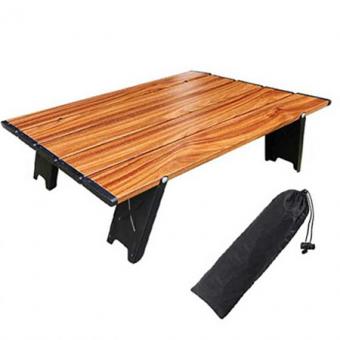
Brand: ANHUI FEISTEL FACTORY Relate Manufacturing: OEM & ODM Product: A lightweight, small, foldable picnic table perfect for outdoor activities. Made of durable materials, it's portable, easy to set up.
Brand: ANHUI FEISTEL FACTORY Relate Manufacturing: OEM & ODM Product: The custom lightweight metal iron foldable moon chair offers durable support and comfort, ideal for outdoor camping, with a compact, portable design for easy transport and storage.
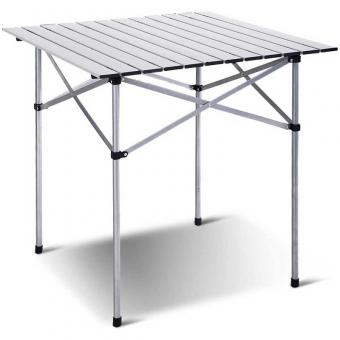
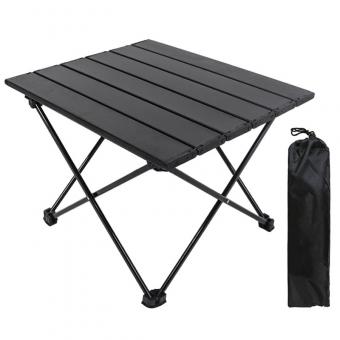
Brand: ANHUI FEISTEL FACTORY Relate Manufacturing: OEM & ODM Product: Compact and lightweight aluminum folding table, perfect for camping, beach, or outdoor activities. Easy to carry, sturdy, and ideal for holding food and drinks.
Brand: ANHUI FEISTEL FACTORY Relate Manufacturing: OEM & ODM Product: This camping foldable wooden lounge chair features a sturdy frame, ergonomic reclining design, and compact folding structure—perfect for relaxing at the beach, campsite, or backyard.
Brand: ANHUI FEISTEL FACTORY Relate Manufacturing: OEM & ODM Product: The hiking backpacking mini stool combines a durable Oxford fabric foldable design with a creative pencil case pocket, offering portability, comfort, and practicality for camping and outdoor adventures.
Brand: ANHUI FEISTEL FACTORY Relate Manufacturing: OEM & ODM Product: An outdoor ultralight single compact portable folding camping bed ideal for backpacking, featuring a durable frame, easy setup, and a convenient carry bag for travel.
Newsletter
Subscribe to our newsletter to receive news, updates, and special offers by email.