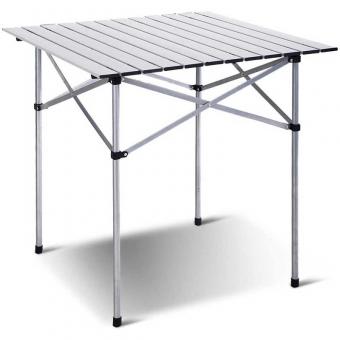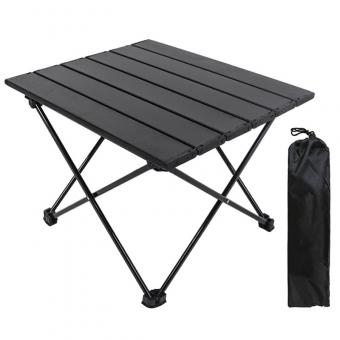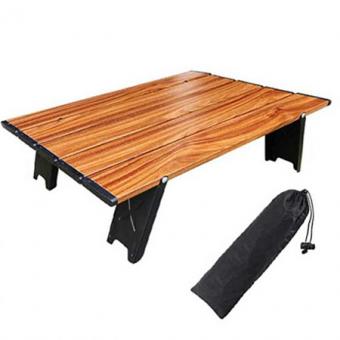
Brand: ANHUI FEISTEL FACTORY Relate Manufacturing: OEM & ODM Product: A lightweight, small, foldable picnic table perfect for outdoor activities. Made of durable materials, it's portable, easy to set up.
Neil welcome to our website !
learn moreA camping hammock tent is not merely a length of fabric suspended between two trees. For overnight use, a complete system usually needs a suitably sized sleeping hammock, reliable suspension, insect protection, appropriate rain coverage and insulation selected for expected conditions. The word tent is used loosely in online catalogs, so buyers should check the box contents instead of relying on the title. A mosquito-net hammock without a rainfly is not automatically a weather shelter, while an open hammock with a good tarp still needs a solution for biting insects in exposed regions.
At FEISTEL, we organize hammock selection around what a camper must actually do: find acceptable anchors, assemble the shelter, enter it without damaging the net, remain dry during shifting weather, keep warm below the body and repack the components afterward. Width and textile grade matter, but they cannot answer these questions independently. The strongest buying decision starts with destination and trip duration, then checks the precise model specification. This guide explains those checks without pretending that a single product has been independently tested against every hammock tent sold in 2026.
The term camping hammock may describe a lightweight lounging bed, a hammock with a built-in mosquito net, or an overnight package with a tarp and suspension. Hammock tent is often applied to any of these. Some suspended shelters also have spreader bars or a multi-point platform, making them structurally different from a traditional gathered-end bed. These categories should not be treated as equivalent merely because all are elevated above the ground. A buyer planning a rainy night needs to know whether the rainfly is included, not just whether the product photograph shows one.
Our recommendation at FEISTEL is to list the bed, insect barrier, tarp, straps, connectors and accessory bag separately. If an item is optional, say so. A complete waterproof-looking picture should never imply that a separate component is supplied automatically. This clarity is particularly important in wholesale catalogs, where a product description may be copied into several retail channels. Clear nomenclature prevents a customer from arriving at a campsite with only a netted hammock and discovering that no precipitation shelter was purchased.
A gathered-end hammock holds a flexible fabric bed between two suspension points. The sleeper may lie diagonally to reduce the deeply curved feeling. A bridge hammock uses additional shaping, often including spreader elements, to create a different sleeping platform. Hybrid products may be intended for suspended and ground configurations, but that capability belongs to specific models rather than every hammock. Multi-point tree tents are a further category: their tensioning, anchor count and occupied geometry differ significantly from a two-tree hammock.
For everyday backpacking, a gathered-end design can be relatively compact because it often avoids rigid frame parts. That advantage may come with a learning curve in positioning and underside insulation. More structured options can improve certain users’ perception of space, but they often change carried weight, packing shape and setup complexity. At FEISTEL we would choose among these by the actual trip profile, not by assigning a universal comfort ranking to the categories. Buyers must also check compatible anchoring methods rather than assuming every tree tent follows ordinary hammock instructions.
Overnight readiness is a system question. A hammock body supports the sleeper; appropriate suspension connects it to approved anchors; mesh helps restrict insects; a properly pitched tarp deflects rain; underside insulation reduces heat loss. A top quilt or sleeping bag, appropriate clothing and a method of keeping essentials accessible may also be needed. Some retail packages combine several components, while others include only the hammock and connectors. The total purchase and total carried mass therefore vary considerably between superficially similar listings.
Before placing an order, write a contents checklist. Check whether straps and carabiners are supplied, whether guylines and stakes accompany the rainfly, whether the mesh has its own support arrangement, and whether any pad or underquilt appears only in promotional photography. At FEISTEL, this itemized approach is particularly valuable when customers compare an inexpensive hammock-only SKU against a more elaborate shelter kit. A fair comparison describes the complete configuration required for the trip rather than celebrating the lowest bare-fabric weight.
Start with campsite geography. A wooded destination with permitted, healthy anchoring trees supports very different equipment choices from a treeless ridge or crowded managed campground. Next consider the forecast, insect activity, expected overnight temperature and the distance the complete shelter must be carried. Only after that should the buyer compare product length, width, construction, access opening, net design and possible rainfly arrangements. Finally, examine rated loading and instructions for the actual assembled system.
For a weekend trip by car, a little additional packing volume may buy a more generous tarp and easier setup. A long-distance backpacker might prefer fewer pieces but still cannot omit the insulation or weather protection needed for the conditions. We think the best hammock tent is the system that performs its required jobs with acceptable complexity. An attractive headline specification matters only if it remains relevant after the sleeping position, weather, anchors and equipment list have been decided.
Quick rankings often reduce a complicated shelter to one score. For responsible selection, we separate usability, structure, weather performance, protection and carrying burden. Bed dimensions affect fit, but do not establish sleep comfort in isolation. Published capacities identify a claimed limit, but do not verify a complete installation or its dynamic durability. Tarp coverage depends on pitch and the direction of rain, while mesh performance depends on closure and the point at which the user enters and exits.
We suggest evaluating equivalent configurations under comparable use conditions. Weigh a complete shelter rather than comparing one bare hammock against another fully equipped package. Observe setup time only when the same experienced person follows each product’s instructions; an unfamiliar design may take longer during a first attempt. Separate subjective ratings such as spaciousness from objective measurements such as packed length. This makes the comparison more helpful to FEISTEL distributors and to consumers who want to understand what a product can actually do.
An editorial ranking may combine impressions from hands-on use, manufacturer listings, and older product specifications. Those sources of evidence should not be treated as interchangeable. A review written several seasons ago may describe a configuration or price that no longer matches the product currently offered. A page titled best hammock tents may also include a bare hammock with no net or rain cover, so the items are not necessarily solving the same overnight problem. Even the term tested may describe an informal field outing rather than a standardized structural assessment.
At FEISTEL, we recommend reading a review for the questions it raises, not simply copying its verdict. Ask which components were weighed, whether all products were compared in similar conditions, and whether comfort judgments were made by the same users. If the method is not described, the rating should be considered an editorial opinion. This approach allows buyers to appreciate useful experience-based guidance while keeping measured specifications, product claims and independent tests clearly separated.
A wider bed can help a solo sleeper move diagonally and adjust positions. It can also provide room for two people to relax together, if the model is intended and rated for that use. Neither benefit guarantees that two adults will sleep comfortably through the night in a single gathered-end bed. Shared movement, body contact and temperature management remain difficult because the fabric deforms beneath both users. A label that says double may describe width more than it describes independent sleeping space.
At FEISTEL, we recommend choosing bed width with the actual sleeper and activity in mind. A compact user may dislike excessive fabric rising around the face; another may prefer the roomy enclosed feeling. For couples who need uninterrupted overnight rest, two separate systems may provide a more predictable experience. Confirm the specific model’s instructions and complete system loading before encouraging simultaneous use. The name of the product is never a substitute for those restrictions.
Length is as important as width for a gathered-end camping hammock. A short bed may restrict the angles at which a taller sleeper can position the torso and legs. A very wide bed that is too short can still feel cramped. Many campers lie diagonally across the bed rather than directly along its deepest central line; that adjustment can change how weight is distributed along the fabric. Calf ridge describes a concentrated line of tension beneath a leg, while shoulder squeeze describes pressure from the side fabric.
These sensations are affected by suspension geometry, fabric response and body dimensions, not just the size printed on the package. We recommend practicing a low-risk daytime hang and adjusting one variable at a time before replacing the hammock. Product copy should not claim a particular length eliminates discomfort for everyone. For FEISTEL sample development, a comparison of occupied bed shapes is more useful than photographs of two unoccupied hammocks stretched between identical trees.
Flat-lay is a useful description of certain designs, but not an absolute guarantee of a level mattress-like surface. Bridge, spreader-supported and hybrid hammocks create different shapes when occupied. The result depends on the geometry of the frame, bed fabric, setup and sleeping position. Some people appreciate a structured surface because it allows a familiar posture; others prefer a gathered-end hammock and its enveloping support. The added components may also affect weight, assembly and storage.
A buyer should evaluate the occupied posture rather than assume that a marketing diagram describes every body size. If the design has poles, confirm whether they are included and whether they can be packed safely. If it permits ground use, determine whether that is an approved mode with adequate ground protection, not simply a photograph of the unit resting on dirt. We would not call any hammock a universal cure for back discomfort without clinically appropriate evidence or a defined, product-specific comparison.
An integrated mosquito net can improve the usefulness of a sleeping hammock in insect-active conditions. The protective result depends on the actual mesh, sewn edges, entry opening, zipper closure and how the net remains positioned when the bed is occupied. A large hole at a zipper end can negate the benefit of a fine fabric elsewhere. A tightly hanging canopy may touch the sleeper’s skin, reducing usable interior room and affecting the experience during a warm night.
At FEISTEL, we recommend examining the net as an assembled enclosure rather than relying only on a headline mesh number. Look at the opening while entering, closing and turning inside. Inspect the seam where the net attaches to the bed and the way support lines are routed. Mesh should not be promoted as guaranteed protection against every insect or all disease transmission. Specific claims need evidence for the exact fabric and product configuration, with a clear distinction between restricting access and delivering a medically validated protective outcome.
Research context: A systematic review of insecticide-treated bed nets found evidence of malaria prevention in relevant settings. That finding highlights the importance of effective mosquito barriers, but it cannot be transferred directly to an ordinary untreated camping hammock net. At FEISTEL, we therefore treat enclosure integrity and any disease-prevention claim as separate questions. [2]
An integrated net can simplify identification of the correct insect barrier because its dimensions are designed around a particular hammock body. It may offer fewer separate pieces to pack. The trade-off is that the user must work with the integrated access route, and damage to the mesh can affect the same product body. A separate net offers the possibility of using the hammock without netting or replacing one component independently, provided the two items are compatible.
The choice is often about the journey rather than only the finished appearance. Ask whether someone can enter comfortably, retrieve belongings and close the door without leaving a gap. Consider drying: a wet net may need different handling from a wet rainfly. Buyers should also determine which version the manufacturer actually supplies. We favor clear diagrams showing the included configuration over generic illustrations that combine pieces from separate retail packages.
A mosquito net does not deflect rain. In a wet destination, an appropriately sized rainfly or tarp is part of the sleeping shelter. A small canopy hung too high may let angled rain reach the occupant; a large tarp incorrectly pitched can still channel water into the sleeping area. Coverage must be checked with the hammock occupied and sagging, not only while its fabric is empty. Tree distance, wind direction and tarp tie-outs influence the final result.
The exact waterproof performance belongs to the tarp material, construction and sewing, not to the nylon hammock beneath it. Water-resistance claims, hydrostatic-head ratings and seam treatments should be checked for the relevant product. At FEISTEL, we would not describe an integrated bug-net hammock as storm-ready without confirming the included rain protection. If the buyer must purchase a separate tarp, that should appear clearly in the contents list and total system comparison.
A rectangular tarp can provide flexible coverage arrangements, including side panels and a generous sheltered zone when properly pitched. A hexagonal tarp may use less fabric and offer a different balance of coverage and carried mass. Tarp ends, corners and ridgelines must be considered in relation to the occupied hammock length. The broadest tarp is not automatically the best, because a large surface may demand more stakes and space and can behave differently in wind.
For wet-weather camping, consider how the shelter is pitched low enough to deflect angled rain while maintaining the ventilation and headroom required. End closure or door-style pitching may be useful in exposed weather, but the configuration must suit the product. We recommend practicing the actual tarp with the intended hammock before a long trip, rather than assuming a photograph of a high shade pitch represents protection during an overnight storm.
Water does not always enter from directly overhead. Rain can run along poorly routed suspension lines or be blown under the edge of a tarp. A sheltered woodland pitch may become exposed if the wind changes direction. Poorly located guylines can also interfere with reaching the hammock or create an obstacle in darkness. A careful pitch therefore involves the rainfly, suspension and access area as a connected arrangement.
We advise checking the probable water path rather than simply tightening every line until the shelter looks neat. Make sure runoff falls away from the bed and that the fabric does not rub unnecessarily against the net. Avoid cooking within a confined hammock shelter because of fire and carbon-monoxide risks. If prolonged heavy weather exceeds the equipment’s specified capability, choose another suitable shelter or campsite; marketing language should never encourage campers to ignore the limitations of their system.
The air beneath a suspended bed can carry heat away from the sleeper. Clothing and a sleeping bag compressed between the body and the hammock often lose much of their insulating loft at that contact point. This makes underside insulation important during nights that may feel comfortable when walking but chilly when resting. A bug net limits insect access, not heat loss. Similarly, two thin fabric layers are not equivalent to a designed thermal barrier.
A sleeping pad can help if its shape and size suit the hammock; an underquilt can preserve insulating loft below the fabric. Neither works automatically when poorly fitted. An underquilt may leave a gap, while a pad may slip from beneath the shoulders. At FEISTEL, we recommend choosing insulation for expected conditions and performing a safe trial in advance. An advertised three-season hammock should not be treated as a complete cold-weather system unless its supplied insulation and limits are clearly documented.
Research context: A 2022 experimental study of sleeping bags found that thermal performance depends on atmospheric conditions and material construction, and that the insulating behavior of a multilayer system cannot always be predicted from its individual layers. This supports evaluating the full hammock sleep system rather than assigning a warmth rating to the hammock fabric alone. The study did not directly test hammock underquilts. [1]
A sleeping pad has the advantage of being useful for ground sleeping too. In a curved hammock, however, some pads resist the bed shape or move away from the sleeper during the night. A pad-compatible double-layer design may help hold certain pads in position, but not every double-layer hammock provides a suitable opening or dimensions. An underquilt hangs below the body, aiming to maintain loft without being compressed by the occupant.
Choosing between these options involves the climate, equipment already owned, insulation coverage and willingness to adjust the system. The total shelter weight comparison should include whichever solution is necessary. We encourage campers to check shoulder and calf coverage during a test night in controlled conditions. An expensive accessory that does not fit the hammock can perform worse than a simpler, properly arranged solution. A realistic equipment checklist is more valuable than a single claim that one method is universally warmer.
Two healthy, suitable trees are often used for gathered-end hammocks, but their availability does not automatically make a location safe or permissible. Check local rules before installation. Avoid dead or visibly damaged trees, overhead hazards and improvised anchor structures. Suitable spacing depends on the hammock and suspension, so a fixed tree-to-tree distance from an online list cannot apply to every model. Use the correct tree straps and attachment components specified for the product.
We recommend keeping the bed low enough for controlled entry and exit while maintaining appropriate loaded ground clearance. Inspect the path that forces travel through: textile ends, loops, connectors, webbing, anchors. A published capacity for the hammock body does not certify the anchors or every accessory. A safe installation is a property of the complete arrangement. If the site lacks suitable anchors, use an approved alternative shelter rather than attaching a loaded hammock to an unverified fence, railing or decorative post.
In a simplified two-sided suspension, tension in the supporting lines rises sharply as they approach horizontal, because a smaller vertical component of each tension force must support the same weight. This explains why an extremely tight-looking hang is not inherently strong or safe. Around a 30-degree suspension angle is commonly used as an initial reference for many gathered-end hammocks, but the correct geometry depends on the model’s instructions and occupied dimensions.
At FEISTEL, we prefer adjustable suspension that can be understood and checked by the user. Hang geometry affects bed shape, line forces, and usable entry height. It may also influence whether the bug net and tarp stay correctly positioned. Users should follow product-specific guidance rather than copying the exact height or tension visible in an unrelated commercial photograph. A cautious first trial should be conducted close to the ground with attention to component limits and anchor suitability.
A capacity number should always be associated with the exact product configuration and test basis. A listing for a hammock body does not necessarily verify the straps, carabiners, tree anchors or behavior under sudden movement. A product described as double-sized may provide more width without being approved for two adults sleeping in it overnight. Materials specifications such as 210T or 70D also do not establish a finished product’s rated load by themselves.
FEISTEL buyers should request model-specific documentation when load performance is important to their order. Inspect the complete path of force and follow the approved instructions. Dynamic swinging, bouncing and rough entry may create different loads from controlled occupancy; do not assume such activities are permitted. Product safety should never be sold with an absolute promise based on a single attractive number. If hardware deforms or a load-bearing seam is damaged, discontinue use and obtain appropriate guidance.
210T is a textile thread-count style designation, not an independent capacity rating, tear-strength result or guarantee of waterproofness. Nylon can be appropriate for portable camping hammocks because a woven fabric can be compact and relatively lightweight. The result depends on yarn properties, weave, coating, textile weight, sewing, finishing and the structure of the finished bed. A single descriptor cannot summarize these variables.
For procurement, we recommend separating the textile specification from the finished hammock performance. Ask for the intended yarn and weave construction, finishing details, acceptable dimensional tolerance and relevant test reports. The net and rainfly may use completely different materials and need their own specifications. At FEISTEL, a product-development decision should explain why a textile is chosen for its job rather than use technical terminology only to create the impression of high quality.
Research context: Accelerated ultraviolet-exposure research on high-tensile nylon 6,6 webbings documented changes in breaking strength under the study’s controlled conditions. This provides a reason to consider sunlight exposure and material aging when evaluating hammock-related textiles, without assuming the same degradation rate for FEISTEL 210T hammock fabric or any finished product. [3]
Hammock-only weight is rarely the quantity a backpacker actually carries. A real overnight system may include a bed, straps, connectors, insect net, rainfly, ridgeline, stakes, guylines, stuff sacks, sleeping pad or underquilt and top insulation. Some online comparisons include the carry bag and hardware for one product but exclude them for another. That makes the ranking difficult to use for an actual trail packing decision.
We recommend recording separate figures for bare body, retail package and complete expected overnight kit. The first figure helps compare textile design; the second describes what is shipped; the third helps plan a backpack. When a two-person product is compared with a one-person shelter, account for the occupants and the amount of equipment each carries. A difference of a few grams in bare fabric may be unimportant if one system requires a large additional rainfly or insulation component.
For backpacking, weight matters alongside packed size, weather protection and the time required to pitch camp. A simple gathered-end configuration may pack into a compact bag and avoid bulky support poles, but it still needs suitable trees and protection appropriate for the trip. The most minimalist hammock is not necessarily a lighter overnight solution after a tarp, bug net and underside insulation are added. A shorter sleeping bed may also be less comfortable for certain body sizes.
Our advice is to assemble a realistic pack list with each required item weighed consistently. Practice the installation at home or during a low-risk outing and check whether stakes and guylines are complete. A backpacker who values predictable warmth should not sacrifice necessary insulation merely to achieve a lighter advertised shelter figure. The best lightweight choice is an appropriate complete system, not the smallest number displayed in a promotional table.
Warm-weather use brings its own trade-offs. Airflow around a suspended hammock can be pleasant, but mosquitoes, humidity and sudden rain may become dominant concerns. A fine net should remain positioned away from the face, while the tarp needs to offer useful weather coverage without closing the shelter so tightly that ventilation becomes unpleasant. Humid conditions can also make drying and packing decisions more complicated, especially after overnight condensation or rain.
We recommend evaluating the hammock with the net and tarp arranged as they will be used, not as three isolated components on a product table. A large net entrance is convenient but must close reliably. Long loose cords may tangle with foliage or gear. If insect exposure is a major factor, examine the entire enclosure for gaps rather than relying on marketing terms like mosquito-proof. In tropical locations, a well-managed routine for entering, closing, airing and drying the shelter may matter as much as the advertised fabric grade.
Cold-weather hammock camping can work with appropriate experience and equipment, but the insulating burden is substantial. The open air beneath the bed removes the protection that a suitable ground sleeping pad would otherwise supply. A properly fitted underquilt or compatible pad must be considered along with top insulation, wind, moisture and the full shelter setup. Condensation management and safe practices during nighttime adjustments deserve attention.
At FEISTEL, we would not declare a hammock suitable for winter merely because its nylon fabric is strong or its bug net encloses the sleeper. Those features do not establish a temperature rating. Test the intended arrangement in conditions where retreat is possible before relying on it in exposed weather. Users should be particularly cautious about combining cold nights with inadequate underside coverage. The most important cold-weather accessory may not be part of the hammock tent retail package, so verify availability before the trip.
Forested campsites may offer appropriate anchors but also present dripping branches, changing wind and damp foliage. Choosing a location beneath dead limbs is unsafe regardless of tarp quality. Within a suitable approved area, pitch the tarp so runoff stays outside the occupied bed and gear storage zone. Leave enough room to access the insect net without touching a wet tarp. Do not assume water running along a suspension line will automatically drip away before reaching the hammock.
A good routine is to establish the weather cover before unpacking the bed in active rain, provided the system supports that sequence. Keep wet exterior components separate from dry insulation when possible. At FEISTEL, we regard the ease of maintaining this separation as a useful design consideration. An excellent dry-weather hammock can become a frustrating shelter if every entry movement brings water onto the sleeping fabric.
When the shelter is transported primarily by vehicle, a user may accept a larger tarp, more durable carrying bag or generous net architecture. These features can make setup and leisure use easier, though they still require approved anchors and adequate ground clearance. A stand-supported hammock may also suit some vehicle-accessible sites, but a stand does not automatically provide weather protection or an overnight-rated sleeping enclosure.
For basecamp use, we value easy repeated entry, accessible gear storage and the ability to dry or inspect parts independently. A person staying several nights may care less about a modest weight difference and more about everyday handling. Buyers should not confuse car portability with suitability for long-distance trekking. If the hammock has a large packed footprint, consider whether it fits the actual vehicle storage plan together with the rest of the camping equipment.
A taller camper may need more length to obtain a relaxed diagonal position, while a broader body may require additional usable width. Body dimensions should be considered independently of the advertised loading number. A hammock can support the published maximum weight yet still be uncomfortably short or restrictive for a particular occupant. Likewise, a wide hammock is not automatically approved for a greater load.
For specification review, look for bed dimensions measured from the actual textile body, not a figure that includes long end cords. Check the position of zippers and net support under occupancy. Larger campers may encounter the net earlier if the bed sags more, which can change interior clearance. We recommend choosing the geometry by intended user, then checking weight rating and suspension instructions for that precise model. No universal length or width can be promised to suit every adult.
Two adults can sometimes relax together on a hammock that is intended for shared use, but this is not equivalent to independent overnight sleeping. Movement by one person deforms the fabric beneath the other. People may drift together, and underside insulation arranged for one body may not cover both. A wider bed can add space, yet it does not divide the sleeping area into two mechanically independent surfaces.
Where a true multi-person suspended shelter is offered, it may use a structural layout very different from a regular two-point hammock. Anchors, forces and pitching instructions must be checked for the specific design. At FEISTEL, we would not treat a double-width label as proof of safe, comfortable overnight occupancy by two adults. For many couples, separate hammocks under appropriate shelter coverage may be the simpler way to preserve freedom of movement.
A suspended bed may avoid some uncomfortable roots, rocks and sloping terrain. It can also put the sleeper above damp soil. That does not make it the superior shelter everywhere: it relies on suitable anchors, local permission and a well-considered insulating system. Ground tents can be more practical in open country, on treeless routes or where camping regulations restrict tree attachments. Privacy, entry, storage and wind exposure also differ.
Compare the two as complete shelters rather than comparing bare hammock fabric with a ready-to-pitch ground tent. Include the rainfly, stakes, insect mesh, ground or underside insulation, carrying weight, usable interior and setup demands. An experienced hammock user may prioritize portability and wooded campsite flexibility; a novice may prefer the more familiar ground arrangement. Neither preference is inherently wrong. The meaningful question is which system meets the trip’s constraints with acceptable risk and effort.
Hammocks can reduce direct contact with the ground vegetation under a bed, but that benefit does not excuse damage to trees or unsuitable site selection. Thin cords can concentrate pressure, while wider webbing may distribute it over more bark area under comparable conditions. However, tree species, health, size and local rules still matter. Some campsites prohibit hammocks regardless of strap width. Responsible installation also includes choosing an area without overhead hazards and managing foot traffic and equipment beneath the suspension.
We recommend that product instructions explicitly describe anchor restrictions and inspection procedures. A label saying tree-friendly is not a guarantee that every installation will be harmless. Campers should avoid anchoring to small trees, fragile vegetation, fence posts or other unverified structures. At FEISTEL, we favor tree-protection guidance that is specific enough for a beginner to use, rather than generic promises that a suspended bed has zero environmental impact.
FEISTEL’s hammock category includes listings described as camping hammocks with integrated mosquito net and rain fly. That makes them relevant to shoppers seeking a more complete shelter, but the wording of a category teaser does not replace the individual SKU’s current packing list. A distributor must confirm whether the rainfly, support lines, pegs, suspension and carry bag are supplied together for the selected configuration and whether the listed weights refer to all of them.
We encourage buyers to browse the FEISTEL hammock collection and request the specification for the exact model rather than transfer details from one catalog item to another. Some FEISTEL netted hammocks are sold as fabric-and-net arrangements; a weather cover must be verified independently. We consider that distinction essential to an accurate article titled best hammock tents because a missing tarp changes the shelter’s intended use substantially.
Begin by checking campsite permission, the forecast and suitable anchors. Inspect straps, connectors, fabric ends and mesh for wear before assembly. Follow the model’s approved procedure to position the suspension and keep the bed at a controllable entry height. When weather threatens, organize rain coverage so it protects the bed during setup. Keep the net’s support components clear of the load-bearing suspension unless the instructions explicitly join them.
Once the hammock is hung, test the arrangement carefully without sudden movements. Enter slowly, check the occupied clearance and confirm that the net closes without pulling against the face. Adjust the rainfly so runoff stays away from the sleeping area, and then position the insulation and accessible gear. Practice this process before relying on the shelter on a remote trip. These are general checkpoints; if the product’s official instructions specify a different assembly order, those instructions govern the specific configuration.
A camping hammock tent may look spacious when empty but feel restrictive once the bed and net are loaded. The zipper opening should allow controlled entry without forcing the user to pull against the mesh. The net needs enough headroom that the user can turn naturally, although it does not need to mimic the standing room of a ground tent. Interior space may be affected by a ridgeline, storage pockets and the angle at which the body rests.
At FEISTEL, we suggest asking a representative user to enter, lie diagonally, access a headlamp and leave the hammock while following the approved instructions. Observe whether the zipper end is placed under unnecessary stress and whether the net can close before mosquitoes enter. This is a practical prototype-evaluation suggestion, not a claim that every product on the market has undergone identical controlled testing. Small inconveniences repeated throughout a long night can matter more than a headline interior-volume figure.
The shelter’s final stage of use begins when the camper wakes up. Rainflies and external guylines may be wet, while the bed and insulation could still be dry. Compressing everything together can transfer moisture to items that were previously protected. Sand and grit may also damage zippers or interfere with hardware. The correct drying and cleaning method depends on the textiles and coatings in the actual product, so generic harsh cleaning instructions are inappropriate.
Our recommendation is to keep wet components apart from sensitive insulation where practical, dry all relevant pieces according to care instructions and inspect connections before storage. Do not assume a nylon component is immune to prolonged sunlight, water or abrasion. A product with a compact carry bag should still be easy enough to repack after ordinary outdoor use. Good ownership guidance makes the difference between a shelter that looks compact in a listing and one that remains convenient over repeated trips.
Common mistakes begin with purchasing by name alone: assuming every hammock tent includes a tarp; taking a double designation as proof that two people can sleep independently; treating 210T as a strength rating; comparing incomplete and complete package weights; and assuming a mosquito net guarantees total insect exclusion. Some buyers also underestimate the need for underside insulation or overlook local restrictions on tree anchoring.
An effective prevention checklist is short: confirm the intended occupancy, bed measurements, exact included components, documented loading, compatible anchors, weather protection, insulation and packed weight. Next practice the actual setup. If one item remains unclear, ask the supplier for the relevant SKU specification. At FEISTEL, we regard reducing this uncertainty as more valuable than promising that a single product works perfectly in every environment. Accurate selection produces a better camping experience and fewer avoidable disappointments.
Inspect the fabric where forces collect near the gathered ends, not just the large central sleeping panel. Look for damaged stitches, holes, heat marks or unusual deformation. Examine webbing for abrasion and hardware for cracks, sharp edges or bending. Test the zipper and inspect the insect net around all attachment seams. Check guylines, stakes and tarp panels for missing or deteriorated parts. A shelter may appear complete while a small critical connection has become unreliable.
If structural damage is suspected, discontinue use and seek the appropriate repair or replacement guidance. Patching non-load-bearing mesh is different from repairing a load-bearing attachment. Never assume that a home-sewn seam restores the original capacity. At FEISTEL, our message to customers is to inspect the full system before each outing because its reliability depends on the condition of multiple interconnected pieces.
For a product intended to be suspended overnight, we recommend inspecting components according to their function. A fabric-bed inspection should consider dimensions, stitch continuity and end attachments. A net inspection should check openings, zipper operation and seam continuity. A tarp inspection should address material, seams and the supplied pitching system. Suspension inspection should focus on the correct straps and connectors as defined in the approved product configuration.
These are manufacturing and sourcing checkpoints, not claims that FEISTEL has completed a particular unpublished comparison study for every hammock model. Formal load performance, waterproofness and fatigue durability should be supported by appropriate, model-specific procedures when claimed. In an OEM project, changes to fabric, hardware, dimensions or sewing cannot automatically inherit every property of an earlier tested design. The most useful quality documentation matches the exact product a wholesale partner will receive.
An effective private-label brief starts with the intended market, climate and user. Specify whether the product is a netted hammock only or a complete rain-protected camping arrangement. Then define bed dimensions, textile composition, mesh construction, entry style, tarp coverage, hardware, tree straps, storage and packaging. Requests for a loading figure should identify the complete configuration and required verification. A familiar color or generic fabric descriptor is not enough for sample approval.
At FEISTEL, we also recommend clarifying which components may be customized without changing their critical function. A different zipper length affects access, a revised net support changes interior clearance, and a larger rainfly may alter packed weight and guyline requirements. The buyer and supplier should approve the final samples and clearly record any changes. This process makes it easier to produce accurate retail descriptions and reduces the chance that a feature shown in a development photograph is missing from the delivered order.
A consistent technical sheet makes a hammock tent easier to source and compare. We suggest listing the bed’s actual textile dimensions, mesh and tarp configurations, complete components, stated load and relevant evidence, bare and full package weights, packed dimensions and available customization. For a weather-protected kit, give tarp measurements and explain what the rating applies to. For a net-only hammock, state explicitly that the tarp is not supplied.
We also recommend agreeing on the inspection method and the production revision before a wholesale order proceeds. An importer may need specific documents for the destination market and its retail claims. One report for a different item should not be reused as proof of this SKU’s structural performance. At FEISTEL, a well-defined specification reduces the gap between product development, quotation, production, marketing and actual campsite use.
A low price for a fabric bed may be attractive, but it does not represent the cost of sleeping outdoors in rain and insects. Calculate the items that the trip requires: suitable suspension, mesh, tarp, guylines, stakes, insulation and storage. A higher-priced package may include some of those components; another may require several separate purchases. The right comparison is between two functional systems serving similar conditions, with the contents and weights made explicit.
For wholesale buyers, there are additional costs associated with shipping volume, packaging quality, support documentation and replacement parts. A more complicated structure may require extra customer education. These considerations should inform the product specification rather than be hidden behind a single factory price. We do not assign a universal value ranking to models without common test conditions and complete commercial data. Buyers benefit more from a clear bill of materials and purpose-based selection.
Beginners often need an understandable setup more than an unusually complex feature set. Clearly labeled straps, a straightforward net entrance and an itemized package reduce uncertainty. A shelter that looks sophisticated in a promotional image may become frustrating if it requires numerous undocumented adjustments. A beginner also needs instructions that explain what to do when the weather changes or the bed touches the ground.
We recommend practicing a full assembly during daylight in a low-risk place, confirming the included components and understanding the limits of the chosen anchors. If the forecast demands insulation or a tarp not in the package, secure it before the trip. The first night should not be treated as a trial of unknown safety-critical hardware. At FEISTEL, we would rather help a user understand the setup they actually own than promise that more features automatically create a better outdoor experience.
Is a hammock tent waterproof? Only the appropriate weather-cover component may be designed for that task, and its performance depends on specification, condition and setup. Does a mosquito net replace a tarp? No. Can a double hammock be used by two adults overnight? That is a model-specific loading and comfort question, not guaranteed by the word double. Does 210T nylon mean a higher safe load? No; the finished assembly must be evaluated. Can hammock tents be installed anywhere? No; users need permitted, suitable anchors or an approved alternative setup.
Are hammock tents warmer than ground tents? Neither is inherently warmer as a complete sleeping system; insulation and conditions matter. Is a hammock tent better for backpacking? It can be appropriate where suitable anchors exist, but compare total shelter weight and needs. Does an integrated net keep every insect out? No net can be described as perfectly protective without evidence of the relevant design and conditions. At FEISTEL, we believe these distinctions are more helpful than absolute yes-or-no answers to complex equipment questions.
The best camping hammock tent of 2026 is not a universally ranked winner. It is the configuration that fits the sleeper, can be installed on suitable approved anchors, manages expected insects and weather, and supplies adequate thermal comfort without unacceptable carrying weight. A wide nylon bed can be enjoyable for spacious solo rest, while a compact netted hammock may be practical for other travelers. Those choices remain incomplete for rainy overnight trips until a suitable tarp and any necessary insulation are accounted for.
At FEISTEL, our recommendation is to check the complete equipment list before considering marketing rankings. Confirm what is included, what is optional and what has been independently verified for the actual model. The most persuasive product is one whose design purpose and limits are clear to the buyer. For outdoor retailers and wholesale partners, accurate product positioning builds confidence and helps customers select a shelter they can use responsibly rather than one that merely looks impressive in a comparison chart.
|
Item |
What to verify |
Why it matters |
|
Hammock bed |
Open length and width |
Fit and occupied posture |
|
Bug net |
Attached or separate; zipper and support |
Insect-access control |
|
Rainfly |
Included or optional, dimensions, attachment |
Rain coverage |
|
Suspension |
Two straps, connectors, instructions |
Compatible anchoring |
|
Under-insulation |
Pad or underquilt supplied or required |
Thermal comfort |
|
Weight |
Fabric-only, package, complete kit |
Fair carrying comparison |
|
Load rating |
SKU-specific published scope and evidence |
Responsible use |
|
Packing |
Actual dimensions with all accessories |
Trip practicality |
These studies explain relevant general principles; they do not independently verify any FEISTEL hammock, net, or suspension system.
Categories
New Blog
Brand: ANHUI FEISTEL FACTORY Relate Manufacturing: OEM & ODM Product: A lightweight, small, foldable picnic table perfect for outdoor activities. Made of durable materials, it's portable, easy to set up.
Brand: ANHUI FEISTEL FACTORY Relate Manufacturing: OEM & ODM Product: The custom lightweight metal iron foldable moon chair offers durable support and comfort, ideal for outdoor camping, with a compact, portable design for easy transport and storage.
Brand: ANHUI FEISTEL FACTORY Relate Manufacturing: OEM & ODM Product: Outdoor Portable Folding Roll Up Picnic Table: Lightweight, durable aluminum design with adjustable height, easy setup, and compact carry bag for camping, picnics, and outdoor activities.
Brand: ANHUI FEISTEL FACTORY Relate Manufacturing: OEM & ODM Product: A versatile, portable IGT BBQ camping table with adjustable height legs. Ideal for outdoor cooking, camping, and picnics. Lightweight and foldable for easy transport.
Brand: ANHUI FEISTEL FACTORY Relate Manufacturing: OEM & ODM Product: Compact and lightweight aluminum folding table, perfect for camping, beach, or outdoor activities. Easy to carry, sturdy, and ideal for holding food and drinks.
Brand: ANHUI FEISTEL FACTORY Relate Manufacturing: OEM & ODM Product: This camping foldable wooden lounge chair features a sturdy frame, ergonomic reclining design, and compact folding structure—perfect for relaxing at the beach, campsite, or backyard.
Brand: ANHUI FEISTEL FACTORY Relate Manufacturing: OEM & ODM Product: This Outdoor Folding Aluminum Frame Camping Chair features an adjustable backrest, lightweight yet sturdy design, offering portable comfort for camping, beach trips, picnics, and outdoor relaxation.
Brand: ANHUI FEISTEL FACTORY Relate Manufacturing: OEM & ODM Product: The hiking backpacking mini stool combines a durable Oxford fabric foldable design with a creative pencil case pocket, offering portability, comfort, and practicality for camping and outdoor adventures.
Brand: ANHUI FEISTEL FACTORY Relate Manufacturing: OEM & ODM Product: The wholesale hiking equipment travel sleeping bed is an adjustable-height folding camping cot offering sturdy support, easy portability, and comfortable rest for outdoor adventures.
Brand: ANHUI FEISTEL FACTORY Relate Manufacturing: OEM & ODM Product: An outdoor ultralight single compact portable folding camping bed ideal for backpacking, featuring a durable frame, easy setup, and a convenient carry bag for travel.
LET’S STAY CONNECTED :