OEM vs. ODM for Camping Gear: Which Sourcing Model Is Right for Your Outdoor Brand?2026-04-20
Launching an outdoor brand—whether you specialize in tents, sleeping bags, camping chairs, or portable shower shelters—requires a critical early decision: how will you source your products? Two manufacturing models dominate the industry: OEM (Original Equipment Manufacturing) and ODM (Original Design Manufacturing). While these terms are often used interchangeably, they represent fundamentally different approaches to product development, design ownership, and supply chain control.
Choosing the wrong model can lead to inventory disasters, brand identity confusion, or missed market opportunities. This guide explains exactly what OEM and ODM mean in the context of camping gear, compares their advantages and disadvantages, and provides a decision framework to help you determine which sourcing strategy aligns with your brand’s goals, budget, and growth trajectory.
Understanding OEM and ODM: Definitions and Core Differences
What Is OEM?
OEM (Original Equipment Manufacturer) refers to a production arrangement where the buyer (your brand) provides complete product specifications, designs, tooling, and sometimes even materials to a factory. The manufacturer simply builds the product according to your exact requirements.
In the camping gear industry, an OEM partnership means you control every aspect of the product—from the tent’s pole material (e.g., 7075 aluminum vs. fiberglass) and fabric denier (e.g., 210D Oxford vs. 68D polyester) to the seam sealing method and packaging design. The factory acts as your hands, not your brain.
Example: Your brand designs a 4-person backpacking tent with a unique pole architecture, specific flysheet geometry, and custom colorways. An OEM factory produces that tent to your blueprints, often under a non-disclosure agreement.
What Is ODM?
ODM (Original Design Manufacturer) shifts design responsibility to the factory. In this model, the manufacturer develops its own product designs, tooling, and specifications. Your brand selects from the factory’s existing catalog, potentially with minor modifications like logo placement, fabric color, or packaging.
For camping gear, ODM is the dominant model for smaller brands and retailers. You choose a proven “off-the-shelf” camping chair, shower tent, or sleeping pad from a manufacturer’s portfolio, add your branding, and launch quickly.
Example: A factory has already engineered a pop-up outdoor shower tent with a 190T polyester flysheet, fiberglass pole frame, and PE waterproof floor. Your brand selects this model, requests a custom logo printed on the carry bag, and orders 500 units under your own label.
The Key Distinction at a Glance
Feature
OEM
ODM
Design ownership
You (the brand)
Manufacturer
Product uniqueness
High – exclusive to your brand
Low – available to multiple buyers
Development cost
High (tooling, engineering, sampling)
Low to none (uses existing designs)
Time to market
Longer (3–6+ months)
Shorter (4–8 weeks for samples)
Minimum order quantity (MOQ)
Often high (500–2000+ pieces)
Often low (100–500 pieces)
Control over quality
Full control via your specifications
Limited to factory’s existing QC
Risk
Higher upfront investment
Lower upfront investment
OEM for Camping Gear: Pros, Cons, and When It Shines
Advantages of OEM
Complete Design Ownership With OEM, your brand owns the intellectual property (IP) of the product. Competitors cannot simply copy your design by ordering the same ODM product from another factory. This exclusivity builds brand differentiation—a critical advantage in a crowded outdoor market where tents, chairs, and shower shelters often look identical.
Tailored to Your Target Audience You can engineer products specifically for your niche. For example, if your brand focuses on ultralight backpacking, you can specify 7075 aluminum poles, 15D ripstop nylon, and sub-1kg total weight. ODM catalogs rarely offer such specialized configurations.
Quality Control from the Source By providing detailed specifications and conducting in-process inspections, you enforce your own quality standards. This is particularly important for safety-critical gear like trekking poles or high-wind tents.
Disadvantages of OEM
High Upfront Investment Tooling costs for injection-molded plastic connectors, custom pole bending, and fabric cutting dies can run from $2,000 to $20,000+ per product. Add engineering fees, multiple sample rounds, and testing certification (e.g., CPAI-84 for tent flammability), and you may invest $50,000 before your first unit ships.
Longer Development Timeline From concept to first production run, OEM projects typically take 4–9 months. This delays your entry into seasonal markets—a serious drawback if you miss the spring camping gear buying window.
Higher MOQs Factories require large orders to amortize tooling and setup costs. Expect MOQs of 1,000–3,000 pieces per design, which ties up significant capital and warehouse space.
When to Choose OEM
You have an established brand with proven sales volume
You need proprietary designs to stand out from mass-market competitors
You plan to sell through wholesale or retail channels that demand unique products
You have the engineering and product management resources in-house
ODM for Camping Gear: Pros, Cons, and When It Shines
Advantages of ODM
Fast Time to Market Because the product already exists, you can receive samples within 2–4 weeks and place a production order within 2 months. This agility lets you test new categories (e.g., adding an outdoor shower tent to your camping chair line) without years of development.
Low Entry Barrier You can start a brand with as few as 100–500 units and a few thousand dollars. Many ODM suppliers offer low MOQ hammocks, low MOQ camping chairs, and low MOQ shower tents specifically to serve startups and e-commerce sellers.
Lower Risk If a product doesn’t sell, you haven’t sunk tooling costs into an exclusive design. You can simply discontinue the item and try a different ODM product from the same or another factory.
Access to Proven Designs ODM factories have refined their products over years of production. You benefit from their accumulated knowledge of what pole thickness works for a 4-person tent, what fabric weight resists wind-driven rain, and what zipper type lasts longest in sandy beach environments.
Disadvantages of ODM
Limited Uniqueness The same shower tent or camping chair you sell may be available from a dozen other brands with different logos. This forces you to compete on price, marketing, or customer service rather than product innovation.
Less Control Over Quality and Materials The factory sets the specifications. If they decide to substitute a lower-grade fabric (e.g., switching from 210D Oxford to 150D polyester) to save costs, your brand reputation suffers—even if you didn’t approve the change.
Potential Supply Conflicts If another brand orders the same ODM product and becomes a larger customer, the factory may prioritize their production during peak season, leaving you waiting for stock.
When to Choose ODM
You are launching a new outdoor brand with limited capital
You want to test multiple product categories quickly
You sell primarily through your own website or marketplaces like Amazon
You are comfortable competing on brand story and customer experience rather than unique hardware
A Practical Comparison Using Real Camping Gear Examples
Factory’s standard pop-up design with square base and single mesh window
Materials
You specify 210D Oxford fabric with 3000mm hydrostatic head, taped seams, and UPF 50+ coating
Factory offers 190T polyester with 1500mm water column
MOQ
500 pieces
100 pieces
Lead time
1 months (tooling, sampling, testing)
6 weeks (logo printing and packing)
Unit cost
$18.50
$12.80
Selling price
$59.99 (premium positioning)
$39.99 (value positioning)
Risk
High: unsold inventory of a custom product
Low: easy to discontinue
Decision Framework: Which Model Fits Your Brand?
Answer these five questions honestly to guide your choice:
What is your brand’s differentiation strategy?
Innovation / design leadership → OEM
Affordability / lifestyle branding → ODM
What is your available capital for product development?
Over $50,000 → OEM possible
Under $20,000 → ODM recommended
How quickly do you need to launch?
*Next season (3-4 months)* → ODM
*Next year (9+ months)* → OEM
What is your minimum viable order quantity?
*Can commit to 1,000+ units per SKU* → OEM
*Need 100-500 units* → ODM
Do you have in-house product design and engineering?
Yes → OEM
No → ODM (or hire freelancers)
Hybrid Models: The Best of Both Worlds
Many successful outdoor brands start with ODM to validate the market, then gradually transition to OEM for their core products. A hybrid approach might look like this:
Phase 2 (Year 2): Identify your best-selling category. Commission minor OEM modifications (e.g., custom fabric color, upgraded poles, extra pockets) with the same factory.
Phase 3 (Year 3+): Develop a fully proprietary flagship product (e.g., a unique tent design) while continuing to sell ODM accessories.
This approach minimizes risk while gradually building intellectual property.
How to Choose a Reliable OEM or ODM Partner
Regardless of which model you choose, vetting your manufacturer is critical. Look for:
Transparent MOQ and pricing – Avoid factories that change minimums after quoting
Sample policy – Reputable suppliers offer samples (paid, often refundable)
Certifications – ISO9001, BSCI, or SGS audits indicate quality management systems
Third-party testing – For camping gear, verify CPAI-84 (tent flammability), REACH compliance, or Prop 65 as needed
Communication – Clear English (or your language) responses with technical understanding
One example of a supplier offering both OEM and ODM flexibility is Anhui Feistel Outdoor Products Co., Ltd., which provides low MOQ options for camping chairs, hammocks, and outdoor shower tents, with custom logo and packaging services.
No Single Right Answer, Only the Right Fit for Your Stage
OEM and ODM are not “good” or “bad” – they are tools suited to different brand stages and strategies. OEM gives you design ownership, product uniqueness, and quality control, but demands capital, time, and expertise. ODM offers speed, low risk, and affordability, but limits differentiation.
For a new outdoor brand, starting with ODM is often the smartest path. For an established brand seeking to build a lasting moat, OEM is the inevitable next step. The wisest approach is to view sourcing as a journey: begin with ODM, learn what your customers love, then invest in OEM for your hero products. By matching your sourcing model to your brand’s maturity and resources, you’ll build a product line that not only sells but also endures.
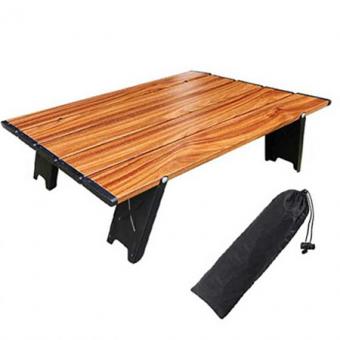
Brand: ANHUI FEISTEL FACTORY Relate Manufacturing: OEM & ODM Product: A lightweight, small, foldable picnic table perfect for outdoor activities. Made of durable materials, it's portable, easy to set up.
Brand: ANHUI FEISTEL FACTORY Relate Manufacturing: OEM & ODM Product: The custom lightweight metal iron foldable moon chair offers durable support and comfort, ideal for outdoor camping, with a compact, portable design for easy transport and storage.
Brand: ANHUI FEISTEL FACTORY Relate Manufacturing: OEM & ODM Product: The hiking backpacking mini stool combines a durable Oxford fabric foldable design with a creative pencil case pocket, offering portability, comfort, and practicality for camping and outdoor adventures.
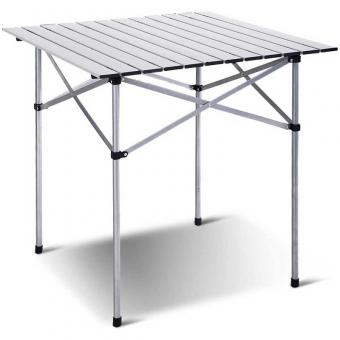
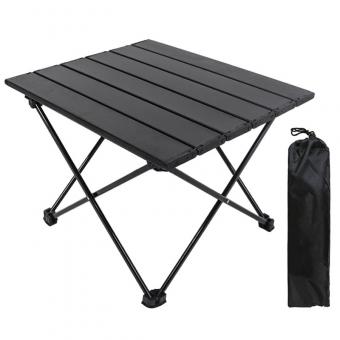
Brand: ANHUI FEISTEL FACTORY Relate Manufacturing: OEM & ODM Product: Compact and lightweight aluminum folding table, perfect for camping, beach, or outdoor activities. Easy to carry, sturdy, and ideal for holding food and drinks.
Brand: ANHUI FEISTEL FACTORY Relate Manufacturing: OEM & ODM Product: This camping foldable wooden lounge chair features a sturdy frame, ergonomic reclining design, and compact folding structure—perfect for relaxing at the beach, campsite, or backyard.
Brand: ANHUI FEISTEL FACTORY Relate Manufacturing: OEM & ODM Product: An outdoor ultralight single compact portable folding camping bed ideal for backpacking, featuring a durable frame, easy setup, and a convenient carry bag for travel.
Newsletter
Subscribe to our newsletter to receive news, updates, and special offers by email.