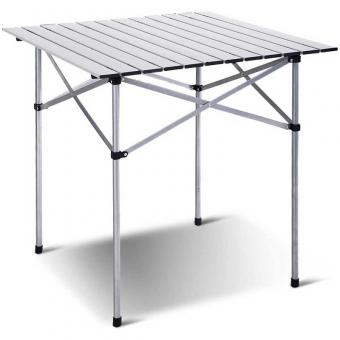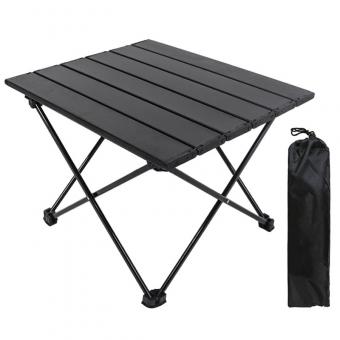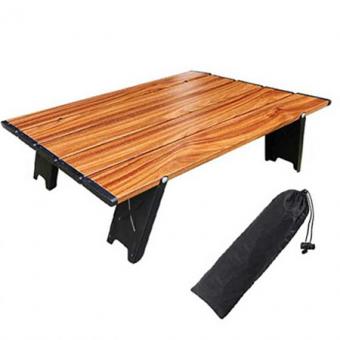
Brand: ANHUI FEISTEL FACTORY Relate Manufacturing: OEM & ODM Product: A lightweight, small, foldable picnic table perfect for outdoor activities. Made of durable materials, it's portable, easy to set up.
Neil welcome to our website !
learn moreWhen it comes to hauling gear across sandy beaches, rough campsites, or uneven gardening terrain, a heavy duty folding wagon cart is an indispensable tool. But there‘s one critical decision that can make or break your experience: steel frame vs. aluminum frame. This choice affects everything from how much weight you can carry to how easily you can lift the cart into your vehicle.
Many buyers focus solely on fabric quality or wheel size, but the frame material is the true backbone of any folding wagon. Steel offers brute strength at an affordable price, while aluminum provides remarkable portability with surprising durability. So which one is right for you? Let‘s break down the real differences.
The fundamental distinction between steel and aluminum frames comes down to material science. Steel is significantly denser and heavier, while aluminum weighs roughly one-third as much for comparable volume. However, this weight difference doesn‘t tell the whole story of performance.
Steel frames are renowned for their impressive durability and load-bearing capabilities. They can handle significant weight without bending or breaking, making them an excellent choice for heavy hauling. Heavy-duty steel-framed wagons typically support loads ranging from 300 to 450 pounds, with some industrial models exceeding 1,000 pounds. For example, the Ribitek Collapsible Folding Wagon features a strong steel frame with a maximum capacity of 400 lbs, while the BUPPLEE Collapsible Wagon offers a high-strength steel frame rated at 400 lbs as well.
Aluminum frames, while lighter, generally have lower maximum load capacities due to aluminum being a softer metal. However, modern engineering has narrowed this gap considerably. Some aluminum models now offer impressive capacities—for instance, VEVOR‘s aluminum folding hand truck achieves 1,000 lbs in platform mode. In the folding wagon category, aluminum frames typically handle 150 to 300 pounds.
Feature
Steel Frame
Aluminum Frame
Typical Max Load
300–450+ lbs
150–300 lbs
Frame Weight
18–25+ lbs
11–15 lbs
Corrosion Resistance
Poor without coating
Excellent (natural oxide layer)
Cost
Budget-friendly
Premium-priced
Best For
Heavy duty hauling, rough terrain
Portability, frequent transport, beach use
⚠️ Important Safety Notice: The maximum weight capacity (static load) listed by manufacturers usually refers to the load when the wagon is stationary on level ground. For moving loads (dynamic load), the safe capacity is typically 30-40% lower. Always allow a safety margin when loading your wagon.
The frame of a folding wagon is only one part of the equation—wheels, axles, and fabric all affect overall durability. Be sure to check manufacturer specifications for complete ratings.
Here‘s where aluminum truly shines. Aluminum frames are substantially lighter than steel frames, making aluminum wagons easier to lift, maneuver, and transport. Many aluminum models offer a 20% to 40% weight reduction compared to steel equivalents.
A typical steel wagon weighs in at 18 to 25 pounds or more. In contrast, SUNNYFEEL‘s heavy-duty steel wagon weighs just 11.2 pounds—proving that lightweight design is possible even with steel. The Sekey Collapsible Foldable Wagon’s heavy-duty metal frame handles up to 330 lbs without feeling flimsy.
For users who frequently lift their wagon into car trunks, carry it up stairs, or transport it over longer distances, every pound saved matters. The lightweight nature of aluminum makes these tasks significantly easier.
When it comes to weathering the elements, aluminum holds a decisive advantage. Aluminum naturally forms a protective oxide layer when exposed to air, preventing further corrosion. This makes aluminum wagons rust-proof and ideal for damp environments, beach trips, or humid climates. The surface of aluminum frames is often anti-oxidation, corrosion-resistant, and waterproof, meaning they won‘t fade or rust after long-term outdoor use.
Steel, by contrast, is highly susceptible to rust. Steel wagons rely on powder-coated finishes or other protective coatings to prevent corrosion. One significant drawback of steel is its susceptibility to rust, which poses a problem if you frequently use your folding wagon outdoors or live in a humid climate. Powder-coated steel offers good protection—it‘s “stronger and more streamlined than conventional liquid paintings”—but once the coating is scratched or compromised, rust can develop. And as any outdoor enthusiast knows, scratches are inevitable with heavy use.
Steel frames generally come at a lower price point than aluminum ones. If budget is a priority, a steel folding wagon might be a more practical upfront choice. However, consider long-term value—a steel frame may need replacement sooner due to wear and tear, whereas aluminum‘s corrosion resistance often means a longer lifespan.
Repairability: Steel frames have an edge in repairability. If a steel tube bends or a weld cracks, a local welding shop can often fix it. Aluminum, due to its material properties, requires specialized TIG welding equipment and skilled technicians—repairs are rarely cost-effective compared to replacement.
Locking Mechanisms: Both materials feature similar locking systems (such as push-button pins or twist locks), but steel mechanisms generally offer greater resistance to wear over time. Aluminum components, being softer, may show wear on locking pins and connection points sooner under heavy use.
Fabric Attachment: The fabric body—typically 600D Oxford cloth—is attached to the frame via sleeves, buttons, or straps. While attachment method matters more than frame material for fabric durability, steel frames‘ rigidity provides a more stable mounting platform that may reduce fabric stress over time compared to aluminum‘s slight flex.
Steel Frame Wagons: Ideal For
Camping trips: Hauling coolers, tents, and firewood over uneven terrain
Gardening: Transporting heavy bags of potting soil, tools, and plants
Shopping: Carting groceries from the car to the house
Aluminum Frame Wagons: Ideal For
Beach outings: Sand doesn‘t affect aluminum‘s corrosion resistance, and lighter weight means easier pulling through soft sand
Frequent travelers: The compact, lightweight design makes loading and unloading effortless
Festivals: Portability and rust-resistance are key for multi-day events
Pet owners: Lighter weight makes handling with pets easier
Regardless of frame material, look for these essential features in a heavy-duty folding wagon cart:
600D Oxford fabric: Tear-resistant, waterproof, and removable for easy cleaning
All-terrain wheels: 7-inch or larger wheels with deep treads for sand, grass, and gravel
360° swivel front wheels: Enhances maneuverability in tight spaces
Adjustable telescoping handle: Comfortable pulling for users of different heights
Compact folding design: Quick setup and tear-down in seconds
From a maintenance standpoint, aluminum requires minimal care—just occasional cleaning with mild soap and water. Steel demands more vigilance: regular inspection for coating damage, immediate drying after wet use, and touch-up painting of any scratches to prevent rust from forming.
The choice between steel and aluminum frames ultimately comes down to your specific needs. Steel frames excel where rugged durability and high load capacity are non-negotiable, handling heavy loads with brute force and offering better field repairability. Aluminum frames shine when portability, corrosion resistance, and lightweight convenience are your top priorities, making each trip from car to destination effortless.
For occasional use around the home, gardening, or trips where weight isn‘t a concern, a steel-framed wagon often provides the best value. For beach frequenters, festival-goers, or anyone who values effortless portability, aluminum‘s lighter weight and rust-proof nature are worth the extra investment.
Whichever you choose, investing in a quality folding wagon from a reputable manufacturer will provide years of reliable service. Focus on finding the right balance of weight, capacity, and durability for your unique adventures.
Categories
New Blog
Brand: ANHUI FEISTEL FACTORY Relate Manufacturing: OEM & ODM Product: A lightweight, small, foldable picnic table perfect for outdoor activities. Made of durable materials, it's portable, easy to set up.
Brand: ANHUI FEISTEL FACTORY Relate Manufacturing: OEM & ODM Product: The custom lightweight metal iron foldable moon chair offers durable support and comfort, ideal for outdoor camping, with a compact, portable design for easy transport and storage.
Brand: ANHUI FEISTEL FACTORY Relate Manufacturing: OEM & ODM Product: Outdoor Portable Folding Roll Up Picnic Table: Lightweight, durable aluminum design with adjustable height, easy setup, and compact carry bag for camping, picnics, and outdoor activities.
Brand: ANHUI FEISTEL FACTORY Relate Manufacturing: OEM & ODM Product: A versatile, portable IGT BBQ camping table with adjustable height legs. Ideal for outdoor cooking, camping, and picnics. Lightweight and foldable for easy transport.
Brand: ANHUI FEISTEL FACTORY Relate Manufacturing: OEM & ODM Product: Compact and lightweight aluminum folding table, perfect for camping, beach, or outdoor activities. Easy to carry, sturdy, and ideal for holding food and drinks.
Brand: ANHUI FEISTEL FACTORY Relate Manufacturing: OEM & ODM Product: This camping foldable wooden lounge chair features a sturdy frame, ergonomic reclining design, and compact folding structure—perfect for relaxing at the beach, campsite, or backyard.
Brand: ANHUI FEISTEL FACTORY Relate Manufacturing: OEM & ODM Product: This Outdoor Folding Aluminum Frame Camping Chair features an adjustable backrest, lightweight yet sturdy design, offering portable comfort for camping, beach trips, picnics, and outdoor relaxation.
Brand: ANHUI FEISTEL FACTORY Relate Manufacturing: OEM & ODM Product: The hiking backpacking mini stool combines a durable Oxford fabric foldable design with a creative pencil case pocket, offering portability, comfort, and practicality for camping and outdoor adventures.
Brand: ANHUI FEISTEL FACTORY Relate Manufacturing: OEM & ODM Product: The wholesale hiking equipment travel sleeping bed is an adjustable-height folding camping cot offering sturdy support, easy portability, and comfortable rest for outdoor adventures.
Brand: ANHUI FEISTEL FACTORY Relate Manufacturing: OEM & ODM Product: An outdoor ultralight single compact portable folding camping bed ideal for backpacking, featuring a durable frame, easy setup, and a convenient carry bag for travel.
LET’S STAY CONNECTED :