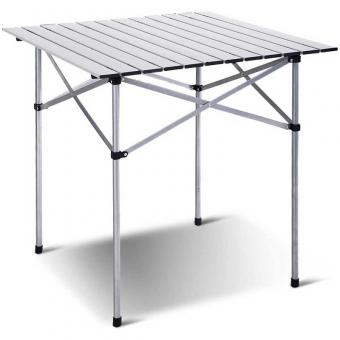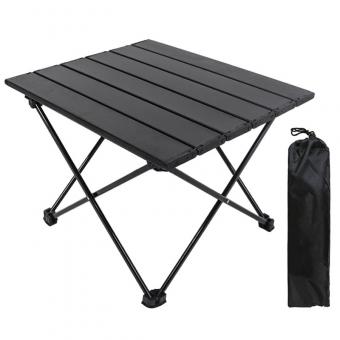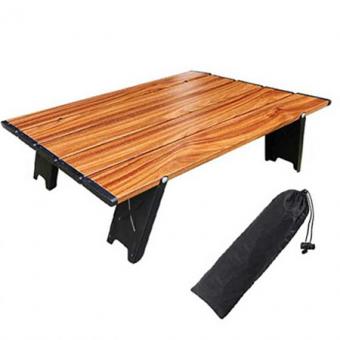
Brand: ANHUI FEISTEL FACTORY Relate Manufacturing: OEM & ODM Product: A lightweight, small, foldable picnic table perfect for outdoor activities. Made of durable materials, it's portable, easy to set up.
Neil welcome to our website !
learn more 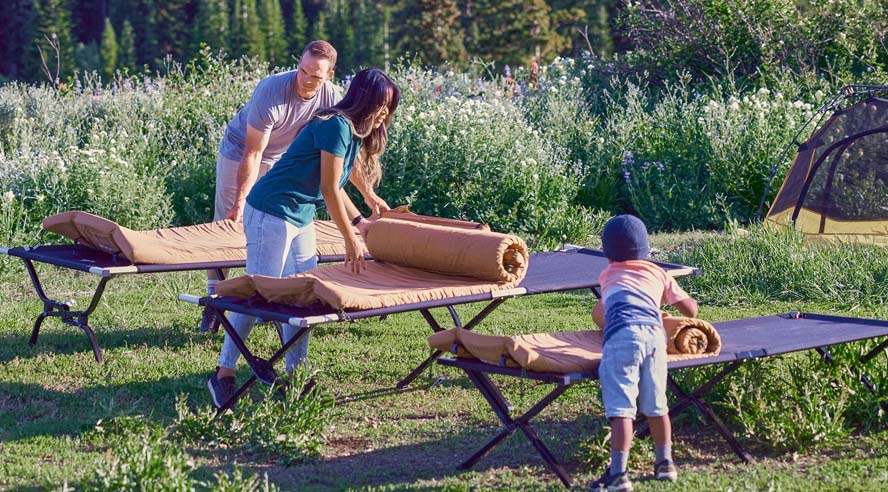
A good night’s sleep is the foundation of any successful outdoor adventure. Yet for many campers, the question of what to sleep on remains surprisingly unresolved. The debate between military cots, sleeping pads, and air mattresses is not about finding a single “best” option—it’s about matching the right sleep platform to your specific trip, body, and priorities. This guide cuts through the noise, comparing each option across five critical dimensions: comfort, portability, insulation, durability, and real-world usability.
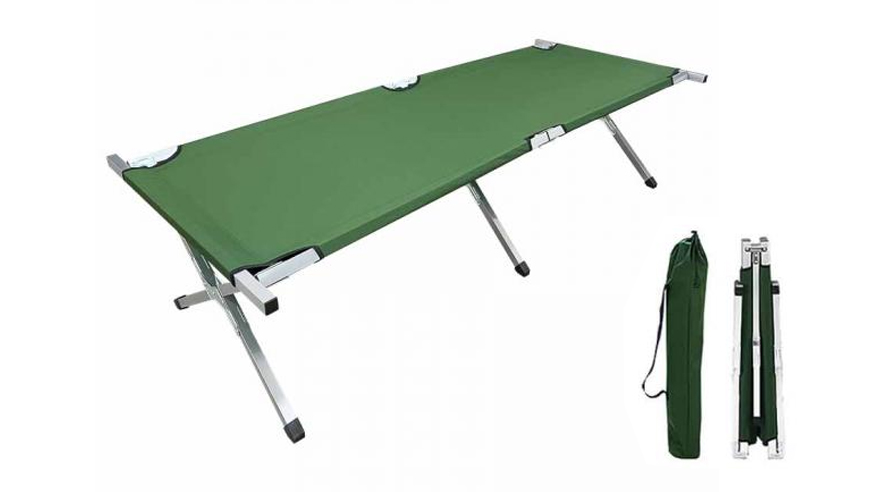
Military cots, particularly those with aluminum alloy frames and 600D polyester or reinforced cotton canvas surfaces, offer an elevated sleeping platform that fundamentally changes the camping experience. By lifting you off the ground, cots provide immediate relief from uneven terrain, rocks, and roots. Getting in and out of bed becomes significantly easier, especially for taller campers, side sleepers with sore hips, or anyone who dislikes crawling up from ground level.
However, pure comfort on a cot has limits. The fabric is often relatively thin and lacks the plushness of a traditional mattress, which can lead to pressure points on your hips, shoulders, or back—particularly problematic for side sleepers. The rigid frame also does not contour to your body’s natural curves. For many back sleepers who prefer a firmer, more consistent sleeping surface, a cot can feel immediately familiar and supportive.
Portability is the cot’s biggest weakness. While some ultralight 7075 aluminum cots weigh as little as 6 lbs and fold into relatively compact packages, most military-grade cots are significantly heavier—often 11 to 16 lbs or more—and require dedicated storage bags. They are impractical for backpacking but excel at car camping, base camps, and extended stays where weight is not a primary constraint.
Insulation presents a subtle challenge. Because a cot elevates you, cold air circulates underneath, and without enough insulation on top, heat loss becomes noticeable at 2 a.m. A sleeping pad with the right R-value—a measure of insulation against ground cold—typically handles cold better on its own, though many experienced campers solve this by combining both: a cot for elevation and a pad on top for insulation and pressure relief.
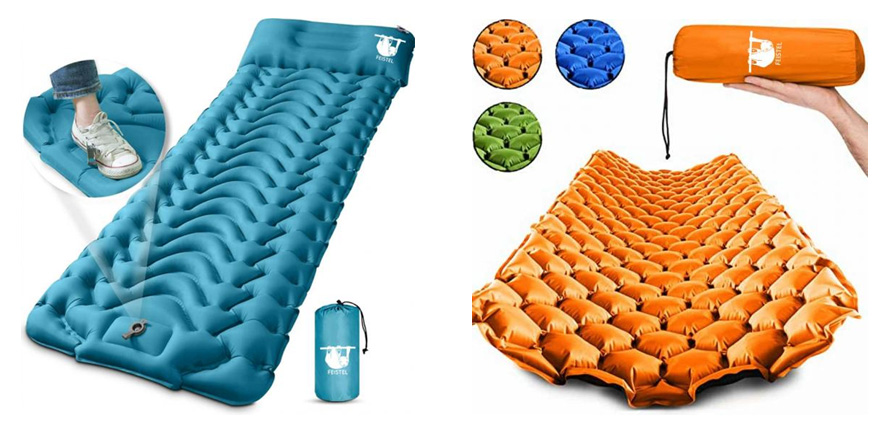
Sleeping pads are designed to do two jobs at once: cushion your body and insulate you from the cold ground. They come in three main categories—closed-cell foam pads, self-inflating pads, and air pads—each with distinct trade-offs.
Foam pads are nearly indestructible, weigh little, and provide consistent insulation regardless of punctures, but they are bulkier and offer minimal cushioning. Self-inflating pads strike a balance: they use open-cell foam that expands when the valve opens, offering moderate cushioning (typically 1.5 to 3 inches thick) with R-values ranging from 4.0 to 5.5, suitable for three-season or winter camping. Air pads are the lightest and most packable, compressing to roughly the size of a water bottle and weighing under a pound, but they offer little insulation unless specifically designed with internal reflective layers or synthetic insulation.
R-value is the single most important metric for pad performance. Pads with R-values below 2.0 are suitable only for warm summer camping (60°F+). R-values between 3 and 4 work for three-season camping (30–60°F). Values of 5 or higher are recommended for winter and snow camping below 30°F. Some premium insulated air pads now achieve R-values of 7.6 or even 8.5 while weighing just over a pound.
In terms of pure comfort, a high-quality sleeping pad—especially one with a thicker profile and body-mapped support zones—often feels more forgiving than a cot. Pads contour around shoulders and hips and move with you rather than providing a taut, fixed surface. For side sleepers and anyone sensitive to pressure points, a premium sleeping pad often has the edge.
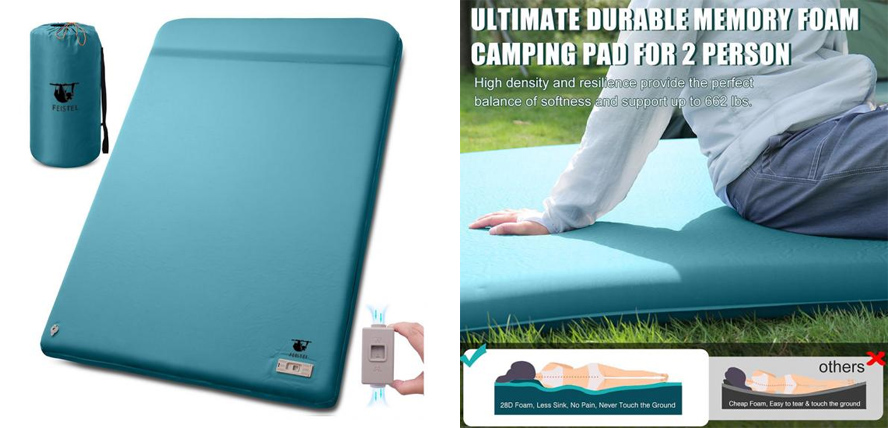
Air mattresses bring the closest approximation of a traditional bed to the campsite. They offer adjustable firmness through inflation control, thicker cushioning (often 4 to 8 inches or more), and a familiar, plush feel that many campers crave. For car camping and glamping—where weight and pack size are not major concerns—air mattresses are often the most comfortable standalone option available.
However, the downsides are significant. Air mattresses are notoriously vulnerable to punctures. A single sharp rock, thorn, or even an errant tent stake can deflate the mattress, leaving you sleeping on the ground. Field repairs are possible but often unreliable. Additionally, the air inside the mattress cools as nighttime temperatures drop, making the mattress feel cold and uncomfortable. Most basic air mattresses have minimal insulation (R-values below 2), meaning you lose body heat to the ground rapidly. Weight is also a factor: while some air mattresses are reasonably light (3–8 lbs), they are still bulkier than sleeping pads when packed.
Comfort Winner: Air Mattress (for softness) / Sleeping Pad (for pressure relief)
For pure softness and familiarity, an air mattress wins. However, for contouring to your body and eliminating pressure points, a well-designed sleeping pad is often superior. Cots excel for back sleepers and those who hate being on the ground but feel rigid for side sleepers.
Portability Winner: Sleeping Pad
Sleeping pads—especially air pads—pack down to the size of a water bottle and weigh as little as 12 ounces. Air mattresses are heavier and bulkier but still more portable than cots. Cots are the least portable option by a wide margin.
Insulation Winner: Sleeping Pad
Rated R-values give sleeping pads a clear advantage. Pads with R-values of 4 or higher provide reliable protection from cold ground even in freezing temperatures. Air mattresses generally offer poor insulation, and cots, by virtue of their elevation, allow cold air to circulate underneath unless paired with an insulating layer on top.
Durability Winner: Military Cot
A well-constructed aluminum or steel cot can support 250–330 lbs, withstand repeated use in rough conditions, and last for decades with minimal maintenance. Sleeping pads—particularly air pads—are vulnerable to punctures, though foam pads are nearly indestructible. Air mattresses are the least durable of the three.
The question “which one sleeps better?” has no universal answer—but it does have a formula. Your sleep style dictates which option will work best for you.
Sleep Position
Recommended Option
Why
Back Sleeper
Military Cot or Firm Pad
The flat, consistent support feels familiar and aligned
Side Sleeper
Thick Sleeping Pad (3+ inches)
Contouring around hips and shoulders eliminates pressure points
Stomach Sleeper
Firm Pad or Cot
A softer surface may cause spinal misalignment
Combination Sleeper
Self-Inflating Pad (moderate thickness)
Balances support with enough give for position changes
These recommendations align with observed patterns: side sleepers need minimum 3 inches of thickness for ground sleeping, while back sleepers often do very well on a cot.
Experienced campers increasingly recognize that the best sleep system is not an either/or choice—it is a combination. One effective approach is placing a self-inflating sleeping pad directly on top of a military cot. This combination addresses every weakness: the cot provides elevation, stability, and protection from ground moisture; the pad adds cushioning, pressure relief, and critical insulation. The result feels much closer to a real guest bed than either component alone.
Similarly, placing an insulating closed-cell foam pad underneath an air mattress protects it from ground punctures while adding warmth. This hybrid approach is particularly valuable in cold weather or for multi-day trips where sleep quality directly impacts enjoyment.
Choose a Military Cot if:
You are car camping, base camping, or staying in one location for multiple days
You are a back sleeper who prefers firm, consistent support
You want to stay off the ground for comfort, hygiene, or insect protection
Weight and packed size are not major concerns
You are willing to add a pad on top for extra comfort in colder weather
Choose a Sleeping Pad if:
You are backpacking, hiking, or bikepacking (weight is critical)
You are a side sleeper who needs pressure point relief
You camp in cold weather and need reliable insulation (check R-value)
You prefer a sleeping surface that contours to your body
You want one piece of gear that works across all seasons
Choose an Air Mattress if:
You are car camping and want the closest feel to a real bed
You have back issues or specific comfort preferences
You camp primarily in warm weather (insulation is less critical)
You are willing to accept the risk of punctures
Weight and pack size are not primary concerns
For backpackers and cold-weather campers, a high-quality insulated sleeping pad with an appropriate R-value is the clear winner—it balances comfort, portability, and warmth in a single package. For car campers and base campers who value elevation and durability above all else, a military cot, optionally paired with a sleeping pad, provides a robust and comfortable sleep platform. For those who prioritize softness and a bed-like feel, an air mattress remains a compelling option for warm-weather car camping.
Ultimately, sleep quality outdoors is not determined by any single product but by how well your sleep system matches your body, your trip, and your environment. Evaluate these three options against your specific needs, and you will find the setup that lets you wake up rested, refreshed, and ready for adventure.
Categories
New Blog
Brand: ANHUI FEISTEL FACTORY Relate Manufacturing: OEM & ODM Product: A lightweight, small, foldable picnic table perfect for outdoor activities. Made of durable materials, it's portable, easy to set up.
Brand: ANHUI FEISTEL FACTORY Relate Manufacturing: OEM & ODM Product: The custom lightweight metal iron foldable moon chair offers durable support and comfort, ideal for outdoor camping, with a compact, portable design for easy transport and storage.
Brand: ANHUI FEISTEL FACTORY Relate Manufacturing: OEM & ODM Product: Outdoor Portable Folding Roll Up Picnic Table: Lightweight, durable aluminum design with adjustable height, easy setup, and compact carry bag for camping, picnics, and outdoor activities.
Brand: ANHUI FEISTEL FACTORY Relate Manufacturing: OEM & ODM Product: A versatile, portable IGT BBQ camping table with adjustable height legs. Ideal for outdoor cooking, camping, and picnics. Lightweight and foldable for easy transport.
Brand: ANHUI FEISTEL FACTORY Relate Manufacturing: OEM & ODM Product: Compact and lightweight aluminum folding table, perfect for camping, beach, or outdoor activities. Easy to carry, sturdy, and ideal for holding food and drinks.
Brand: ANHUI FEISTEL FACTORY Relate Manufacturing: OEM & ODM Product: This camping foldable wooden lounge chair features a sturdy frame, ergonomic reclining design, and compact folding structure—perfect for relaxing at the beach, campsite, or backyard.
Brand: ANHUI FEISTEL FACTORY Relate Manufacturing: OEM & ODM Product: This Outdoor Folding Aluminum Frame Camping Chair features an adjustable backrest, lightweight yet sturdy design, offering portable comfort for camping, beach trips, picnics, and outdoor relaxation.
Brand: ANHUI FEISTEL FACTORY Relate Manufacturing: OEM & ODM Product: The hiking backpacking mini stool combines a durable Oxford fabric foldable design with a creative pencil case pocket, offering portability, comfort, and practicality for camping and outdoor adventures.
Brand: ANHUI FEISTEL FACTORY Relate Manufacturing: OEM & ODM Product: The wholesale hiking equipment travel sleeping bed is an adjustable-height folding camping cot offering sturdy support, easy portability, and comfortable rest for outdoor adventures.
Brand: ANHUI FEISTEL FACTORY Relate Manufacturing: OEM & ODM Product: An outdoor ultralight single compact portable folding camping bed ideal for backpacking, featuring a durable frame, easy setup, and a convenient carry bag for travel.
LET’S STAY CONNECTED :