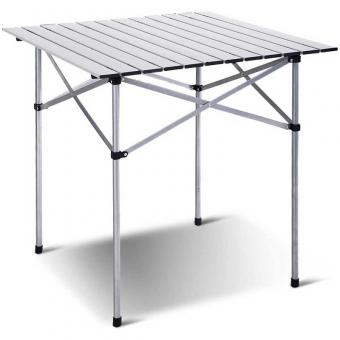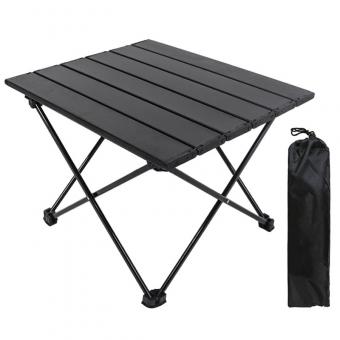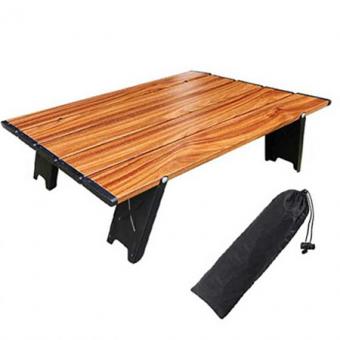
Brand: ANHUI FEISTEL FACTORY Relate Manufacturing: OEM & ODM Product: A lightweight, small, foldable picnic table perfect for outdoor activities. Made of durable materials, it's portable, easy to set up.
Neil welcome to our website !
learn moreWhen you invest in outdoor gear—whether it’s a camping chair, a trekking pole, or a piece of patio furniture—the frame finish is often the difference between a product that lasts for years and one that shows signs of wear after a single season. Two of the most common finishes in the outdoor industry are powder-coated steel and anodized aluminum. Each brings distinct advantages to the table, but the real question for adventurers is simple: which one holds up better against the relentless assault of rain, sand, and scratches?
This detailed guide breaks down how these two finishing technologies perform in real-world outdoor conditions, helping you make an informed choice for your next piece of gear.
Before comparing performance, it‘s essential to understand what these finishes actually are—because they work in fundamentally different ways.
Powder Coating is a dry finishing process where electrostatically charged powder particles—typically made of polyester, epoxy, or a hybrid resin—are sprayed onto a metal surface and then cured under heat.The result is a thick, uniform polymer layer, typically 50 to 150 micrometers (μm) thick, that bonds to the surface of the underlying metal. Powder coating works on a variety of substrates, including steel, aluminum, and magnesium, and offers a vast range of colors and textures.
Anodizing, by contrast, is an electrochemical process that transforms the surface of the metal itself. The aluminum part is submerged in an acid electrolyte bath and exposed to an electric current, which grows the naturally thin aluminum oxide layer into a much thicker, harder, and more durable anodic layer.Unlike powder coating, anodizing does not add a separate layer on top—it converts the aluminum surface into a hard ceramic-like oxide. The anodic film is typically 5 to 25 μm thick for Type II (sulfuric acid) anodizing, making it significantly thinner than powder coating.
The key takeaway: powder coating is a polymeric barrier applied on top of the metal, while anodizing is an integral transformation of the aluminum itself.
Outdoor gear inevitably gets wet. Whether you‘re caught in a summer downpour or camped on dew-covered grass, moisture resistance is non-negotiable.
Anodized Aluminum: The Natural Corrosion Fighter
Aluminum has an inherent advantage when it comes to corrosion. The material naturally forms a thin, inert oxide film when exposed to air—a film that anodizing dramatically thickens and hardens.The resulting anodized layer provides excellent corrosion resistance that is integral to the metal, meaning it won‘t peel or flake like a coating can. On the Mohs hardness scale, anodized aluminum’s oxide layer is comparable to Corundum (Mohs 9), the same material that rubies and sapphires are made from, giving it exceptional resilience against environmental degradation.
For coastal regions or high-humidity environments where salt spray accelerates corrosion, anodized aluminum is widely considered the safer bet, often lasting 15–20 years or more with minimal maintenance.In marine environments, anodized aluminum exhibits a corrosion rate of less than 0.02 mm per year, ensuring long-term structural integrity even under harsh conditions.
Powder-Coated Steel: Effective but Vulnerable
Powder coating provides excellent corrosion protection—but it‘s a barrier layer. If that barrier is compromised, the steel underneath becomes vulnerable. A well-applied powder coat effectively isolates the metal from air, moisture, and chemicals, preventing rust formation.However, if the coating gets scratched or abraded away, the exposed steel will succumb to corrosion much faster than anodized aluminum.
For inland areas with moderate climates, carbon steel with quality powder coating can last 8–12 years.But in aggressive environments—coastal regions, areas with heavy rainfall, or locations with industrial pollutants—the margin for error is much smaller. Even a single deep scratch can initiate rust that spreads beneath the surrounding coating, a phenomenon known as undercutting corrosion.
Verdict on Rain: Anodized aluminum has the clear advantage. Its integrated, non-peeling oxide layer offers superior corrosion resistance, particularly in harsh or coastal environments.
If you’ve ever taken a camping chair to the beach, you know that sand is relentless. It gets into every crevice, acts as an abrasive agent with every movement, and gradually wears away surface finishes.
Anodized Aluminum: Hard but Not Invincible
The aluminum oxide layer created by anodizing is exceptionally hard. On the Mohs hardness scale, it falls between 8 and 9—harder than topaz and just below diamond.This hardness translates directly into superior wear resistance and excellent resistance to abrasion.For high-contact applications like sliding surfaces, heavily handled components, or gear that sees frequent rubbing against sand and dirt, anodizing—particularly Type III Hard Anodizing (Hardcoat) —is the superior choice, as the hard oxide layer resists abrasion consistently under surface contact.
However, anodized surfaces are brittle. They will not peel or flake, but they can be scratched—and those scratches tend to be visible because the anodized layer is translucent and exposes the lighter aluminum underneath.Anodized finishes are often considered less suitable for high-traffic spaces or applications prone to scratching, as they can show marks more easily than opaque coatings.
Powder-Coated Steel: Thick and Impact-Absorbing
Powder coating creates a thicker finish (50–150 μm vs. anodizing‘s 5–25 μm) that can absorb impact and handle abrasive environments reasonably well.The polymer layer offers good abrasion resistance and resists chipping and cracking over long-term use.Additionally, textured powder coatings (such as sand-textured or matte finishes) can actually hide surface imperfections and minor scratches better than smooth anodized surfaces.
However, powder coating’s advantage in sand-heavy environments is less about hardness and more about sacrificial thickness—the thicker layer simply has more material to wear away before the underlying steel is exposed.
Verdict on Sand: Anodized aluminum wins on pure hardness and abrasion resistance, but powder coating’s thicker build and ability to hide minor scratches make it a strong contender. For extreme abrasion where scratches are guaranteed, the harder surface of anodized aluminum provides a more fundamental level of protection.
Perhaps the most telling test of a finish‘s durability is how it handles scratches—because scratches are inevitable in outdoor use.
Anodized Aluminum: Surface Integration as Protection
Because anodizing converts the surface of the aluminum into a hard oxide layer that is integral to the metal (rather than a coating applied on top), it will not chip, peel, or flake under normal use.The anodized layer is permanently bonded to the aluminum substrate. This means that even if the surface is scratched, the underlying metal remains protected to some extent—the anodic layer doesn’t separate from the base like a coating might.
The anodizing process also significantly increases the surface hardness of aluminum, improving scratch and abrasion resistance.Anodized finishes offer superior durability and greater longevity compared to powder-coated surfaces.In wear resistance testing, anodized aluminum has demonstrated up to 40 times greater resistance compared to untreated high-strength aluminum alloys, showcasing the dramatic protective effect of the anodic layer.
However, as mentioned earlier, scratches on anodized aluminum are visually apparent because of the translucent nature of the finish.
Powder-Coated Steel: Thick but Vulnerable to Penetration
Powder coating offers good scratch resistance but faces a fundamental vulnerability: once the coating is penetrated, the steel is exposed. A scratch through the powder coating on carbon steel can develop into visible rust within weeks in a humid environment.Unlike anodizing—which is integral to the metal—powder coating is a separate applied layer that can be breached.
That said, for impact resistance, powder coating holds an advantage. The polymer layer can absorb impact better than the hard but brittle oxide layer of anodizing, making powder-coated surfaces more forgiving under blunt force.
Verdict on Scratches: Anodized aluminum offers superior long-term protection because the oxide layer is integral and won‘t peel or separate, even when scratched. Powder-coated steel is more vulnerable to corrosion once scratched, though it handles impact better.
Looking at real-world longevity, industry data paints a clear picture:
Feature
Anodized Aluminum
Powder-Coated Steel
Surface Hardness
Very high
Medium
Outdoor Lifespan
20–30 years
10–15 years
Maintenance
Low
Medium
Color Options
Limited
Wide
Rust Protection
Excellent
Good (barrier-dependent)
Scratch Visibility
Visible (translucent)
Hides minor scratches
Anodized aluminum generally lasts 20–30 years outdoors, while quality powder-coated steel lasts 10–15 years under comparable conditions.Coastal and high-humidity environments widen this gap further—aluminum may last 15–20 years or more with minimal upkeep, while steel‘s lifespan is significantly reduced if the coating is compromised.
Maintenance requirements also differ. Anodized aluminum requires only periodic cleaning with mild detergent and water to maintain its appearance.Powder-coated surfaces, while durable, require more vigilance—scratches need to be addressed promptly to prevent rust formation, and the coating may require touch-ups over time.
The choice between powder-coated steel and anodized aluminum ultimately depends on your specific use case and environment.
Choose Anodized Aluminum If:
You frequently camp or use gear in coastal, humid, or rainy environments where corrosion is a primary concern
Your gear sees significant abrasion from sand, dirt, or rough surfaces
You prioritize low maintenance and long-term reliability over initial cost
You don‘t need a wide range of color options
Choose Powder-Coated Steel If:
Your gear is primarily used in inland, moderate climates where corrosion risk is low
You need a wide range of color options or specific aesthetic matching
Initial cost is a primary consideration
Impact resistance is more important than scratch protection
For outdoor enthusiasts who demand the most from their gear, anodized aluminum frames are often the superior long-term investment. As one camping gear comparison notes, if you are worried about gear getting damaged in the rain, an aluminum alloy frame is the best choice due to its inherent corrosion resistance.However, for budget-conscious consumers or those in dry inland environments, quality powder-coated steel offers excellent value and performance.
Neither finish is universally “better“—but for the specific challenge of surviving rain, sand, and scratches, the data leans toward anodized aluminum. Its integrated oxide layer, exceptional hardness, and superior corrosion resistance make it the ideal choice for outdoor gear that will face the elements regularly.Powder-coated steel remains a viable, cost-effective alternative, particularly when impact resistance and aesthetic flexibility are priorities.
The best finish is the one that matches your environment, your budget, and your willingness to maintain your gear. But if your adventures take you through rainstorms, sandy beaches, and rocky trails, anodized aluminum is the finish built to last.
Categories
New Blog
Brand: ANHUI FEISTEL FACTORY Relate Manufacturing: OEM & ODM Product: A lightweight, small, foldable picnic table perfect for outdoor activities. Made of durable materials, it's portable, easy to set up.
Brand: ANHUI FEISTEL FACTORY Relate Manufacturing: OEM & ODM Product: The custom lightweight metal iron foldable moon chair offers durable support and comfort, ideal for outdoor camping, with a compact, portable design for easy transport and storage.
Brand: ANHUI FEISTEL FACTORY Relate Manufacturing: OEM & ODM Product: Outdoor Portable Folding Roll Up Picnic Table: Lightweight, durable aluminum design with adjustable height, easy setup, and compact carry bag for camping, picnics, and outdoor activities.
Brand: ANHUI FEISTEL FACTORY Relate Manufacturing: OEM & ODM Product: A versatile, portable IGT BBQ camping table with adjustable height legs. Ideal for outdoor cooking, camping, and picnics. Lightweight and foldable for easy transport.
Brand: ANHUI FEISTEL FACTORY Relate Manufacturing: OEM & ODM Product: Compact and lightweight aluminum folding table, perfect for camping, beach, or outdoor activities. Easy to carry, sturdy, and ideal for holding food and drinks.
Brand: ANHUI FEISTEL FACTORY Relate Manufacturing: OEM & ODM Product: This camping foldable wooden lounge chair features a sturdy frame, ergonomic reclining design, and compact folding structure—perfect for relaxing at the beach, campsite, or backyard.
Brand: ANHUI FEISTEL FACTORY Relate Manufacturing: OEM & ODM Product: This Outdoor Folding Aluminum Frame Camping Chair features an adjustable backrest, lightweight yet sturdy design, offering portable comfort for camping, beach trips, picnics, and outdoor relaxation.
Brand: ANHUI FEISTEL FACTORY Relate Manufacturing: OEM & ODM Product: The hiking backpacking mini stool combines a durable Oxford fabric foldable design with a creative pencil case pocket, offering portability, comfort, and practicality for camping and outdoor adventures.
Brand: ANHUI FEISTEL FACTORY Relate Manufacturing: OEM & ODM Product: The wholesale hiking equipment travel sleeping bed is an adjustable-height folding camping cot offering sturdy support, easy portability, and comfortable rest for outdoor adventures.
Brand: ANHUI FEISTEL FACTORY Relate Manufacturing: OEM & ODM Product: An outdoor ultralight single compact portable folding camping bed ideal for backpacking, featuring a durable frame, easy setup, and a convenient carry bag for travel.
LET’S STAY CONNECTED :