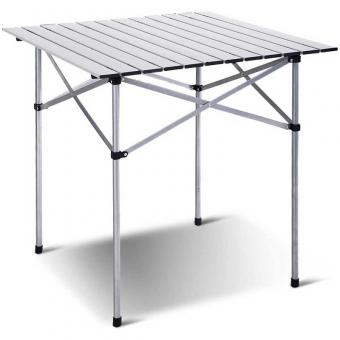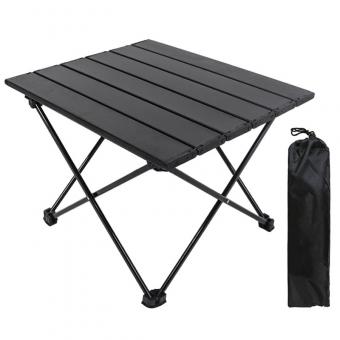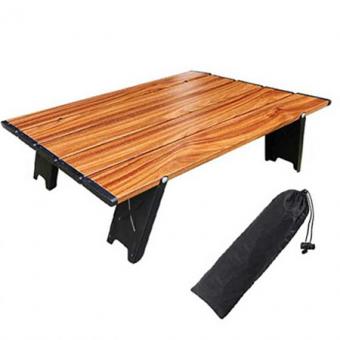
Brand: ANHUI FEISTEL FACTORY Relate Manufacturing: OEM & ODM Product: A lightweight, small, foldable picnic table perfect for outdoor activities. Made of durable materials, it's portable, easy to set up.
Neil welcome to our website !
learn moreWhen you invest in a camping wagon, you expect it to survive years of hauling gear across rocky trails, sandy beaches, muddy fields, and uneven campsites. But not all wagons are created equal. The single most important factor determining how long your cart will last — and how well it performs — is the frame material. Two materials dominate the market: steel and aluminum. Each offers distinct advantages and trade-offs in weight, strength, corrosion resistance, and long-term durability. This comprehensive guide breaks down the real-world differences so you can choose the right camping wagon for your adventures.
A camping wagon’s frame bears the brunt of every haul. It supports your gear, absorbs shocks from rough ground, and endures repeated folding and unfolding. The wrong material can lead to premature bending, rust, cracking, or complete failure.
There is no “perfect” frame material — only the one that best matches your usage patterns. Here is the key difference upfront:
Steel frames excel in raw strength, impact resistance, and long-term structural integrity under heavy loads.
Aluminum frames excel in lightweight portability and natural corrosion resistance, but have lower fatigue strength.
Let’s explore each material in detail.
Steel is an alloy of iron and carbon. For camping wagons, manufacturers typically use carbon steel or manganese steel, often with a protective powder coating or galvanized finish.
Steel frames are renowned for their unparalleled strength and resilience. They can confidently bear substantial loads and endure the rigors of outdoor adventures without flinching.
Real-world examples show the impressive capacity of steel-framed wagons:
The VEVOR Collapsible Folding Wagon features a reinforced steel frame supporting up to 350 lbs (approximately 159 kg).
The InBrave Collapsible Wagon boasts a steel frame rated for 380 lbs (approximately 172 kg).
Sekey’s 220L wagon uses a heavy-duty metal frame rated for 330 lbs (approximately 150 kg).
The ROSONG collapsible wagon employs a sturdy 1.2mm steel frame designed for heavy use.
Even budget-friendly options like the Coleman Folding Outdoor Wagon use a strong steel frame supporting 220 lbs (100 kg).
One of steel’s biggest advantages is its long fatigue life. The material can flex repeatedly under load without cracking. Under extreme stress, steel tends to bend gradually rather than snapping suddenly — giving you visible warning before failure.
As one camper noted after testing multiple wagons on beaches, campsites, and farmers markets: “The frame and fabric are designed to withstand camping environments, ensuring reliable performance across multiple trips without sacrificing portability.”
The Achilles’ heel of steel is rust. Steel is susceptible to corrosion, especially in environments with moisture or exposure to the elements. Once the protective powder coating or galvanized layer is scratched, bare steel is exposed. Moisture and salt accelerate rust formation, which can compromise structural integrity over time.
A 150-lb capacity steel wagon owner reported that after only half a dozen uses and less than 12 months, the gear box gave out — a reminder that even quality steel frames require proper care.
Steel is significantly heavier than aluminum. A typical steel-framed camping wagon weighs between 12 to 25 lbs depending on size and capacity. This extra weight is manageable for car camping but burdensome if you need to carry the folded wagon any distance.
Aluminum frames use aluminum alloys — most commonly 6061 or 7075 aerospace-grade aluminum — which offer an excellent balance of strength and light weight.
Aluminum’s standout feature is its light weight. Aluminum is approximately 35–45 percent lighter than steel for equivalent structural applications.
Real-world examples confirm this advantage:
The Strolee beach cart features a rust-free aluminum frame weighing under 15 lbs (approximately 6.8 kg).
The Eckla Beach Rolly features a rustproof, saltproof heavy-duty aluminum frame weighing just 10 lbs (approximately 4.5 kg).
The JINIHFW foldable wagon weighs only 11 lbs with its aluminum frame.
Some compact aluminum wagons now weigh as little as 8–9 lbs while still offering 100–150 lb capacity.
Unlike steel, aluminum does not rust. Instead, it naturally forms a thin protective oxide layer that resists corrosion, making it more durable in outdoor environments, especially coastal areas.
Aluminum frames are naturally rust-resistant, making them ideal for beach camping, humid environments, and wet conditions. As one manufacturer notes, the corrosion-resistant aluminum frame can ensure durability in harsh coastal environments, being approximately 20 percent lighter than steel carts while resisting rust and saltwater damage.
Aluminum’s primary limitation is lower fatigue strength compared to steel. Under repeated loading and vibration — exactly what a camping wagon experiences over years of use — aluminum can develop micro-cracks at stress points, particularly at joints and connection points.
A detailed five-year simulation for heavy camping use found that with proper design (sufficient tube diameter and reinforced joints), aluminum frames performed well for the first three years. However, from the fourth year onward, connection points — such as handle-to-main-frame joints — may show minor permanent deformation, especially if frequently overloaded or subjected to impacts.
The simulation warns that cheaper aluminum frames with wall thickness under 1.5 mm may show significant weakness within just two years.
While steel tends to bend under extreme stress, aluminum tends to crack when its fatigue limit is reached. This difference in failure mode is important: bending gives warning, while cracking can lead to sudden failure.
Property
Steel Frame
Aluminum Frame
Raw Strength
Higher (excellent for heavy loads)
Moderate to high (depends on alloy)
Typical Weight Capacity
300–550+ lbs (136–250 kg)
100–250 lbs (45–113 kg)
Typical Wagon Weight
12–25+ lbs (5.4–11.3 kg)
8–15 lbs (3.6–6.8 kg)
Corrosion Resistance
Low (requires coating)
Excellent (natural oxide layer)
Fatigue Life
Long (bends before breaking)
Shorter (micro-cracks develop)
Failure Mode
Gradual bending
Potential sudden cracking
Impact Resistance
High
Moderate
Maintenance Required
High (dry after wet use, touch up scratches)
Low (minimal)
Cost
Low to moderate
Low to moderate
Best For
Heavy loads, rough terrain, car camping
Beach trips, travel, lightweight needs
For beach use, aluminum is clearly superior. Aluminum’s natural corrosion resistance protects against saltwater and sand. Steel frames, even with powder coating, are vulnerable. Scratches from sand particles can expose bare steel to salt air, accelerating rust.
The Eckla Beach Rolly — specifically designed for beach environments — features a rustproof, saltproof, heavy-duty aluminum frame that withstands harsh coastal conditions. Similarly, the Strolee beach cart uses a “rust-free aluminum frame” explicitly for beach days.
For hauling heavy loads over rocky trails, muddy fields, or uneven campsites, steel has the advantage. Steel’s higher strength and longer fatigue life ensure the frame won’t bend or crack under repeated heavy loads.
The Sekey 220L wagon — with its heavy-duty metal frame and 330 lb capacity — is specifically designed for beach trips, hauling laundry, and carrying gear for outdoor activities. Steel-framed wagons are the go-to choice for families who fill their carts with coolers, tents, chairs, and firewood.
For camping trips involving air travel or packing multiple items into a small car trunk, aluminum’s lighter weight is a major advantage. The Strolee cart’s under-15 lb weight makes it easy to lift and carry, while some aluminum models weigh as little as 8–11 lbs — significantly lighter than steel alternatives.
Steel frames require more maintenance to prevent rust. After each use in wet conditions, the frame should be dried. Scratches in the powder coating need prompt touch-up to prevent corrosion.
Aluminum frames require minimal maintenance. The natural oxide layer protects against corrosion without special treatment. A simple wipe-down after each trip keeps the cart in good condition.
Customer reviews provide valuable insights into how steel and aluminum frames perform over time.
Steel frame owners consistently praise durability and capacity. One VEVOR wagon reviewer noted: “The cart is extremely sturdy… We use it for our small business to set up tents and carry heavy boxes back and forth to our vending locations.” Another said: “I love the stability and durability of it… the wheels are so incredibly durable and great for all terrain.”
However, some steel wagon owners report issues with rust and component failure after limited use. One reviewer noted that after only half a dozen uses and less than 12 months, the gear box gave out.
Aluminum frame owners praise lightweight portability and ease of use. One Motata wagon user noted: “The 6061 aerospace aluminum feels cool and solid… the wheels are double-bearing with PU coating, rolling quietly even over cobblestones. The claimed 55kg capacity held up when I loaded a tent, cooler, folding chairs, and the kids’ sand bucket — still felt light and steady.”
Check the alloy type. For aluminum, 6061 is standard; 7075 is aerospace-grade with nearly double the strength. For steel, look for carbon steel or manganese steel with quality powder coating.
Inspect tube thickness. Aluminum frames with wall thickness under 1.5 mm are prone to early failure. Well-built steel frames often use 1.2 mm or thicker tubing.
Examine joints and connection points. Reinforced joints, welded corners, and quality rivets indicate better durability regardless of material.
Consider weight limits honestly. Always respect the manufacturer’s weight rating. Overloading accelerates fatigue failure for both materials.
Match material to your environment. Choose aluminum for beach or humid environments; choose steel for heavy loads and rough terrain where weight isn’t the primary concern.
Factor in maintenance commitment. Steel needs regular drying and touch-up of scratches. Aluminum needs minimal care.
Neither steel nor aluminum is universally “better.” The right choice depends entirely on your priorities.
Choose a steel frame if you prioritize raw strength, high load capacity (300+ lbs), impact resistance, and long fatigue life — and you primarily car camp or don’t need to carry the folded wagon far. Steel is the workhorse that survives years of heavy abuse with proper maintenance.
Choose an aluminum frame if you prioritize lightweight portability, corrosion resistance (especially for beach camping), low maintenance, and ease of transport — and your load requirements are moderate (typically under 250 lbs). Aluminum is the lightweight champion that protects against rust and makes every trip easier.
By matching the frame material to your specific camping style and environment, you’ll invest in a wagon that serves faithfully for years — hauling your gear across sand, gravel, grass, and trail without letting you down.
Categories
New Blog
Brand: ANHUI FEISTEL FACTORY Relate Manufacturing: OEM & ODM Product: A lightweight, small, foldable picnic table perfect for outdoor activities. Made of durable materials, it's portable, easy to set up.
Brand: ANHUI FEISTEL FACTORY Relate Manufacturing: OEM & ODM Product: The custom lightweight metal iron foldable moon chair offers durable support and comfort, ideal for outdoor camping, with a compact, portable design for easy transport and storage.
Brand: ANHUI FEISTEL FACTORY Relate Manufacturing: OEM & ODM Product: Outdoor Portable Folding Roll Up Picnic Table: Lightweight, durable aluminum design with adjustable height, easy setup, and compact carry bag for camping, picnics, and outdoor activities.
Brand: ANHUI FEISTEL FACTORY Relate Manufacturing: OEM & ODM Product: A versatile, portable IGT BBQ camping table with adjustable height legs. Ideal for outdoor cooking, camping, and picnics. Lightweight and foldable for easy transport.
Brand: ANHUI FEISTEL FACTORY Relate Manufacturing: OEM & ODM Product: Compact and lightweight aluminum folding table, perfect for camping, beach, or outdoor activities. Easy to carry, sturdy, and ideal for holding food and drinks.
Brand: ANHUI FEISTEL FACTORY Relate Manufacturing: OEM & ODM Product: This camping foldable wooden lounge chair features a sturdy frame, ergonomic reclining design, and compact folding structure—perfect for relaxing at the beach, campsite, or backyard.
Brand: ANHUI FEISTEL FACTORY Relate Manufacturing: OEM & ODM Product: This Outdoor Folding Aluminum Frame Camping Chair features an adjustable backrest, lightweight yet sturdy design, offering portable comfort for camping, beach trips, picnics, and outdoor relaxation.
Brand: ANHUI FEISTEL FACTORY Relate Manufacturing: OEM & ODM Product: The hiking backpacking mini stool combines a durable Oxford fabric foldable design with a creative pencil case pocket, offering portability, comfort, and practicality for camping and outdoor adventures.
Brand: ANHUI FEISTEL FACTORY Relate Manufacturing: OEM & ODM Product: The wholesale hiking equipment travel sleeping bed is an adjustable-height folding camping cot offering sturdy support, easy portability, and comfortable rest for outdoor adventures.
Brand: ANHUI FEISTEL FACTORY Relate Manufacturing: OEM & ODM Product: An outdoor ultralight single compact portable folding camping bed ideal for backpacking, featuring a durable frame, easy setup, and a convenient carry bag for travel.
LET’S STAY CONNECTED :