Iron vs. Steel vs. Aluminum: Which Camping Chair Frame Material Is Right for You?
2026-06-01
When you settle into a camping chair after a long day on the trail, the last thing you want is a sudden collapse, a bent leg, or a frame that has rusted through. The durability, weight, and longevity of your camping chair depend almost entirely on one factor: the frame material. Three metals dominate the market—iron, steel, and aluminum. Each offers a unique balance of strength, weight, portability, and weather resistance. Understanding their differences will help you choose a chair that matches your outdoor lifestyle, whether you are car camping with the family, backpacking into the wilderness, or setting up a base camp for a week-long fishing trip.
This guide breaks down the properties of iron, steel, and aluminum camping chair frames, compares their performance across key metrics, and provides a clear decision framework so you can invest in a chair that will serve you for years.
Why Frame Material Matters More Than You Think
The frame of a camping chair bears your full weight, transfers forces from uneven ground, and withstands repeated folding, unfolding, and transport. A poorly chosen frame can lead to:
Premature failure – bending or cracking under normal use
Rust and corrosion – making the chair unsafe and unsightly
Excessive weight – discouraging you from bringing the chair on adventures
Poor stability – tipping or sinking into soft ground
Each of the three materials—iron, steel, and aluminum—addresses these concerns differently. Let us examine them one by one.
Iron was once a common material for outdoor furniture, including early camping chairs and heavy-duty garden seating. Today, pure iron frames are rare in portable camping chairs because of their extreme weight and susceptibility to rust. However, you may still encounter wrought iron or cast iron elements in heavy-duty outdoor furniture designed for permanent patios rather than backcountry travel. For portable camping chairs intended to be carried and stored, iron has largely been replaced by steel and aluminum.
Key Properties of Iron Frames
High density – Very heavy, typically the heaviest of the three materials
Excellent compressive strength – Resists crushing forces well
Poor corrosion resistance – Rusts rapidly without protective coatings
Low ductility – Brittle; tends to crack rather than bend under extreme stress
High cost for quality ironwork – Wrought iron is expensive to manufacture
Advantages of Iron (Theoretical, for Camping Chairs)
Exceptional static load capacity – can support very heavy users if properly engineered
Feels extremely solid and stable – no wobble or flex
Unacceptably heavy – A camping chair with an iron frame could weigh 10–15 pounds or more, making it impractical for any situation beyond a permanent campsite
Rusts quickly – Even with paint, scratches expose bare iron to moisture, leading to rapid corrosion
Poor fatigue life – Repeated folding can cause cracking at joints
Not practical for backpacking or hiking – Weight alone eliminates iron from consideration for most outdoor use
Verdict on Iron
Not recommended for modern camping chairs. If you see a “heavy-duty iron camping chair,” it is almost certainly a steel frame painted to look like iron. For portable, foldable chairs, skip iron entirely.
2. Steel Camping Chair Frames
The Industry Standard for Durability
Steel is an alloy of iron and carbon (typically 0.2%–2.1% carbon), which gives it significantly better strength, hardness, and fatigue resistance than pure iron. Most camping chairs labeled “heavy-duty” or “steel frame” use carbon steel or powder-coated steel tubing. Steel frames dominate the budget and mid-range camping chair market because they offer excellent strength at a low cost.
Key Properties of Steel Frames
High tensile strength – Typically 400–550 MPa for common carbon steels
Good hardness – Resists dents and abrasion
Heavy but manageable – A typical steel-frame camping chair weighs 4–7 pounds (1.8–3.2 kg)
High ductility – Bends before breaking, giving warning signs of failure
Advantages of Steel for Camping Chairs
Outstanding load capacity – Many steel-frame chairs support 250–350+ pounds (113–159 kg)
Low cost – Steel is abundant and inexpensive to fabricate
Good impact resistance – Withstands rough handling, drops, and rocky terrain
Easy to repair – A bent steel leg can often be bent back into shape
Predictable failure mode – Steel tends to bend gradually rather than snap suddenly
Disadvantages of Steel Frames
Heavier than aluminum – The extra weight is noticeable when carrying the chair over distances
Rust vulnerability – Powder coating can scratch, exposing bare steel to moisture. Once rust starts, it can compromise the frame
Bulkier packed size – Steel tubes are often thicker than aluminum equivalents
Can be cold to the touch – Steel conducts heat away from your body on chilly evenings
Best Use Cases for Steel Camping Chairs
Car camping and tailgating – where weight is not a primary concern
Family camping – durable enough to handle children climbing on and off repeatedly
Budget-conscious buyers – steel frames offer the best strength per dollar
Cold-weather camping – steel’s weight adds stability on frozen ground (though aluminum is often preferred for its lighter pack weight)
Popular Steel Frame Examples
Traditional folding director’s chairs with steel frames and fabric seats
Heavy-duty oversized camping chairs rated for 350+ pounds
Budget compact chairs from mass-market retailers
3. Aluminum Camping Chair Frames
The Lightweight Champion
Aluminum camping chair frames are made from aluminum alloys, most commonly 6061 aluminum or 7075 aluminum for premium models. Pure aluminum is too soft for structural use, but alloying with magnesium, silicon, or copper creates a material that is remarkably strong for its weight. Aluminum frames have revolutionized portable outdoor seating, enabling chairs that weigh as little as 1–3 pounds (0.45–1.4 kg).
Key Properties of Aluminum Frames
Excellent strength-to-weight ratio – Approximately 35–40% the weight of steel for similar strength
Naturally corrosion-resistant – Forms a protective oxide layer; does not rust
Higher cost – Quality aluminum alloys and precision manufacturing make these chairs more expensive
Lower weight capacity – Typical aluminum camping chairs support 200–300 pounds (91–136 kg), though premium models can reach 320+ pounds
Can be less stable – Very lightweight chairs may tip on uneven ground if the leg spread is narrow
More prone to bending under lateral stress – Sideways forces (like leaning heavily to one side) can permanently bend aluminum tubing
Best Use Cases for Aluminum Camping Chairs
Backpacking and hiking – Every ounce matters; aluminum chairs are often the only viable choice
Beach and coastal trips – No rust worries, and sand shakes off easily
Bikepacking and motorcycle camping – Compact, lightweight designs fit in panniers
Fishing and kayaking – Corrosion resistance is critical around saltwater
Air travel – Lightweight chairs can be packed in checked luggage without exceeding weight limits
Popular Aluminum Frame Examples
Helinox Chair One (ultralight, ~2 lbs)
REI Co-op Flexlite chairs
Kelty Lowdown and similar compact aluminum designs
Many high-end backpacking chairs
Head-to-Head Comparison: Iron vs. Steel vs. Aluminum
The following table summarizes the most important differences for camping chair buyers:
Property
Iron (rare in portable chairs)
Steel
Aluminum
Typical Weight (chair)
10+ lbs (4.5+ kg)
4–7 lbs (1.8–3.2 kg)
1–3 lbs (0.45–1.4 kg)
Tensile Strength
Low to moderate
High (400–550 MPa)
Moderate to high (310–500 MPa)
Corrosion Resistance
Very poor (rusts quickly)
Moderate (needs coating)
Excellent (self-protecting)
Load Capacity (typical)
High
250–350+ lbs
200–320 lbs
Ductility
Low (brittle)
High (bends)
Moderate to high
Cost
High (if wrought/cast)
Low to moderate
Moderate to high
Portability
Very poor
Moderate
Excellent
Best For
Permanent patios
Car camping, budget use
Backpacking, beach, travel
Real-World Decision Framework
To choose the right frame material for your camping chair, answer these four questions:
Question 1: How far will you carry the chair?
More than 0.5 mile (0.8 km) from the car → Aluminum is your only practical option. Steel will wear you down.
From the car to a campsite (short distance) → Steel or aluminum both work. Consider weight if you have multiple chairs.
Permanent or drive-up site → Steel offers better value and durability.
Question 2: What is your weight and how much gear will the chair support?
Over 300 pounds (136 kg) → Look for a heavy-duty steel frame rated for 350+ lbs. Many aluminum chairs cannot safely accommodate this weight.
Under 250 pounds (113 kg) → Aluminum frames are generally sufficient, but always check the manufacturer’s weight rating.
You frequently lean, rock, or shift aggressively → Steel’s higher ductility and impact resistance may be better.
Question 3: What environment will you use the chair in?
Beach, salt marsh, or humid jungle → Aluminum is superior. Steel will eventually rust despite powder coating.
Dry, arid climates → Both materials perform well. Choose based on weight and budget.
Rainy or muddy conditions → Aluminum requires less maintenance; steel needs regular drying and touch-up of scratches.
Question 4: What is your budget?
Under $30 per chair → Steel is almost your only option at this price point. Budget aluminum chairs often use poor-quality alloys that bend easily.
30–30–80 → Good steel chairs and entry-level aluminum chairs available.
$80+ → Premium aluminum chairs (like Helinox or Big Agnes) offer exceptional weight savings and packability.
Special Considerations: Alloy Grades and Coatings
For Aluminum: Look for 6061 or 7075
6061 aluminum – Standard for most mid-range camping chairs. Good balance of strength, corrosion resistance, and cost.
7075 aluminum – Aerospace-grade alloy with nearly twice the strength of 6061. Found in high-end backpacking chairs. More expensive but significantly more durable.
For Steel: Powder Coating Is Non‑Negotiable
Powder-coated steel – A dry powder is electrostatically applied and heat-cured, creating a hard, durable finish that resists scratches and rust.
Galvanized steel – Coated with zinc, offering excellent corrosion resistance but less common in camping chairs.
Avoid painted steel – Ordinary paint chips easily, leading to rapid rust.
For Iron: Not Applicable – Avoid
Modern camping chairs do not use iron frames. If you see “iron” in a product description, it is likely a marketing term for steel or a misinterpretation.
Common Myths Debunked
Myth 1: Aluminum is always weaker than steel. Reality: Some aluminum alloys (like 7075-T6) have higher strength-to-weight ratios than many steels. An aluminum chair designed for backpacking can be incredibly strong for its weight, but it will not match a thick steel tube in absolute load capacity.
Myth 2: Steel never rusts if it is powder coated. Reality: Powder coating is durable but not invincible. Scratches from rocks, sand, or folding mechanisms can expose bare steel. In coastal environments, rust can appear within months if the coating is compromised.
Myth 3: Iron is better because it is “solid.” Reality: Iron is too heavy and brittle for portable chairs. The “solid” feeling you want comes from proper frame geometry and joint design, not from excessive material density.
Final Recommendations
Your Profile
Recommended Frame Material
Why
Backpacker / Ultralight hiker
Aluminum (7075 premium)
Lightest weight, compact pack size, rust-proof.
Family car camper
Steel (powder-coated)
Durable, affordable, handles kids and high weights.
Beachgoer / Coastal camper
Aluminum (any alloy)
No rust worries, easy to rinse sand off.
Heavy-duty user (300+ lbs)
Steel (heavy-duty rated)
Higher load capacity and impact resistance.
Budget shopper (under $30)
Steel
Aluminum in this price range is usually too flimsy.
Air traveler / Motorcycle camper
Aluminum (compact fold)
Must be lightweight and fit in small spaces.
The choice between iron, steel, and aluminum for a camping chair frame comes down to a simple trade-off: weight versus strength versus cost. Iron has no place in portable camping chairs—it is too heavy and rust-prone. Steel offers unbeatable strength and value for car camping and budget buyers, but its weight makes it impractical for backpacking. Aluminum delivers excellent portability and corrosion resistance at a higher price, making it the go-to material for anyone who carries their chair more than a few hundred yards.
Before you buy, check the frame material specifications, look for alloy grades (6061 or 7075 for aluminum; powder-coated carbon steel for steel), and always respect the manufacturer’s weight rating. With the right frame material, your camping chair will become a trusted companion for countless outdoor meals, sunset views, and starry nights around the campfire.
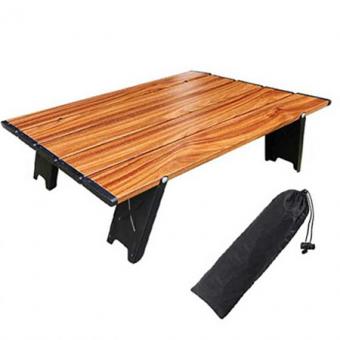
Brand: ANHUI FEISTEL FACTORY Relate Manufacturing: OEM & ODM Product: A lightweight, small, foldable picnic table perfect for outdoor activities. Made of durable materials, it's portable, easy to set up.
Brand: ANHUI FEISTEL FACTORY Relate Manufacturing: OEM & ODM Product: The custom lightweight metal iron foldable moon chair offers durable support and comfort, ideal for outdoor camping, with a compact, portable design for easy transport and storage.
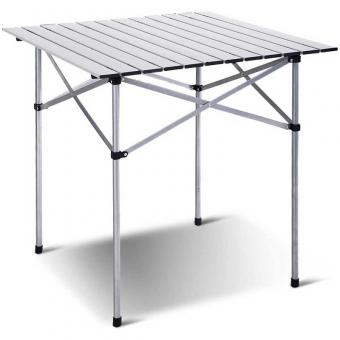
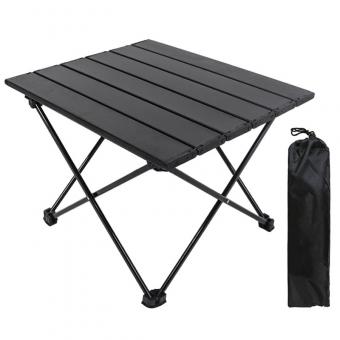
Brand: ANHUI FEISTEL FACTORY Relate Manufacturing: OEM & ODM Product: Compact and lightweight aluminum folding table, perfect for camping, beach, or outdoor activities. Easy to carry, sturdy, and ideal for holding food and drinks.
Brand: ANHUI FEISTEL FACTORY Relate Manufacturing: OEM & ODM Product: This camping foldable wooden lounge chair features a sturdy frame, ergonomic reclining design, and compact folding structure—perfect for relaxing at the beach, campsite, or backyard.
Brand: ANHUI FEISTEL FACTORY Relate Manufacturing: OEM & ODM Product: The hiking backpacking mini stool combines a durable Oxford fabric foldable design with a creative pencil case pocket, offering portability, comfort, and practicality for camping and outdoor adventures.
Brand: ANHUI FEISTEL FACTORY Relate Manufacturing: OEM & ODM Product: An outdoor ultralight single compact portable folding camping bed ideal for backpacking, featuring a durable frame, easy setup, and a convenient carry bag for travel.
Newsletter
Subscribe to our newsletter to receive news, updates, and special offers by email.