Steel Frame vs. Aluminum Alloy: Comparing Camping Bed Specifications for Durability and Weight
2026-06-02
When shopping for a camping cot, you will inevitably encounter two dominant frame materials: steel and aluminum alloy. The choice between a steel frame camping bed and an aluminum alloy model often boils down to a fundamental trade-off between weight savings and rugged durability. Understanding the specific camping bed specifications that differentiate these materials is essential for making an informed decision that matches your outdoor lifestyle.
This comprehensive comparison examines steel frames and aluminum alloy frames across key performance metrics, using real-world product specifications to help you decide which material best suits your camping needs.
Steel Frame Camping Beds: The Heavy-Duty Workhorse
Steel has long been the traditional material for camping cots, prized for its exceptional strength and stability.
Typical Specifications for Steel Frame Models
Specification
Typical Range
Example Models
Product Weight
4.5 kg to 10 kg (10 to 22 lbs)
REDCAMP Extra Wide: 10 kg (22 lbs)
Weight Capacity
120 kg to 227 kg (265 to 500 lbs)
Dönges: 200 kg; REDCAMP: 227 kg (500 lbs max)
Frame Material
Powder-coated steel tubing
25mm steel tube, X-frame design
Fabric
600D Oxford cloth (often double-layer)
Double-layer 600D Oxford
Setup Complexity
Instant fold, no tools required
REDCAMP: 10-second setup
Steel frames are available in two common design configurations. X-frame steel cots deliver rock-solid stability through crisscrossing leg supports, exemplified by the REDCAMP Extra Wide model with 25mm steel tubes rated for 500 lbs maximum capacity . The X-frame design provides exceptional stability but folds into a longer, bulkier package compared to rod-structure models. Rod-structure steel cots, conversely, consist of separate poles that must be assembled, typically offering lighter weight at the expense of setup convenience.
A quality steel frame camping bed like the Dönges folding camp bed features a robust steel frame construction supporting up to 200 kg, with a tool-free assembly process taking just seconds to deploy . The powder-coated steel finish is critical for steel models, as it creates a protective barrier against moisture and oxygen, preventing rust formation that would otherwise compromise the frame over time .
In terms of fabric, steel-frame cots commonly use 600D Oxford cloth, often with double-layer construction for enhanced tear resistance . For those needing absolute maximum capacity, heavy-duty steel X-frames are available with weight ratings exceeding 700 pounds .
Aluminum alloy frames have gained significant popularity among backpackers and minimalist campers who prioritize weight savings without completely sacrificing strength.
Typical Specifications for Aluminum Alloy Models
Specification
Typical Range
Example Models
Product Weight
2.2 kg to 3.6 kg (4.85 to 8 lbs)
KingCamp: 2.2 kg (4.85 lbs); NNEOBA: 2.35 kg
Weight Capacity
136 kg to 180 kg (300 to 400 lbs)
KingCamp: 136 kg; ICECO: 181 kg (400 lbs)
Frame Material
6061-T6 or 7075 aluminum alloy
7075 aircraft-grade aluminum
Fabric
420D to 600D ripstop Oxford cloth
420D cationic ripstop or 600D Oxford
Setup Complexity
Rod-structure requiring assembly
KingCamp: push-pull locking mechanism
The game-changing advantage of aluminum lies in its density. Aluminum alloy has approximately one-third the density of steel, meaning aluminum frames are significantly lighter than steel frames of comparable volume .
Premium aluminum cots use advanced alloys to maximize strength-to-weight performance. The 7075 aluminum alloy is particularly notable as an aerospace-grade material with an exceptional strength-to-weight ratio . A 7075-framed cot like the KingCamp Ultralight weighs just 2.2 kg while supporting 136 kg . The 6061-T6 aluminum alloy, used in marine-grade applications, offers tensile strength of at least 310 MPa with welded joints meeting AWS D1.1 certification .
Aluminum frames use rod-structure designs that break into smaller segments and pack shorter than X-frame steel cots . This configuration requires assembly but significantly reduces packed size. Many aluminum cots utilize dual-tube frame construction, making the frame feel nearly as rigid as steel at half the weight . This engineering approach effectively bridges the gap between the lightweight nature of aluminum and the structural demands of a stable sleeping platform.
Head-to-Head Specification Comparison
Weight: The Most Significant Difference
The weight disparity between steel and aluminum frames is substantial. A sturdy steel-framed cot typically weighs 9 kg or more . A comparable aluminum frame cot weighs just 2.2 to 3.6 kg —often less than half the weight of its steel counterpart. For backpackers carrying gear over long distances, this weight difference can be the deciding factor.
Weight Capacity: Steel Holds the Edge
While premium aluminum frames offer impressive load ratings, steel frames generally provide higher weight capacities. Heavy-duty steel cots routinely support 200 kg or more , with some X-frame steel models rated beyond 700 lbs . Aluminum cots typically top out around 136 to 180 kg . For heavier users or shared use scenarios, steel provides an extra margin of load-bearing confidence.
Aluminum offers inherent corrosion resistance, as it naturally forms a protective oxide layer when exposed to air. This means aluminum cots resist rust without requiring additional coatings . Steel frames, by contrast, depend entirely on their protective finish. Quality steel cots feature powder-coated steel finishes—polyester-based coatings cured onto the metal surface, creating a protective barrier against moisture and contaminants . However, if this coating becomes scratched or chipped, the underlying steel becomes vulnerable to corrosion. Aluminum cots maintain their corrosion resistance regardless of surface wear.
Frame Construction and Stability
Frame design differs fundamentally between the two materials. Steel cots commonly use X-frame steel tubing designs that provide inherent stability and rapid deployment . The weight of the steel itself contributes to a planted, confidence-inspiring feel. Aluminum cots rely on rod-structure aluminum frames that must be assembled pole by pole . While modern aluminum frames can feel remarkably rigid—some users note they feel nearly as rigid as steel at half the weight —the stability ultimately depends on proper assembly and frame geometry.
Fabric Specifications Across Both Materials
Both steel and aluminum cots commonly use Oxford cloth for the sleeping surface, with fabric density indicated by denier (D)—higher numbers indicate thicker, more durable yarns . Entry-level models may use 420D fabric, while heavy-duty cots employ 600D Oxford cloth . 600D Oxford represents the "sweet spot" for outdoor gear, offering sufficient thickness to resist tears and abrasion while remaining lightweight enough for practical transport . The basket weave construction of Oxford fabric provides durability, wear-resistance, and water-resistance . With PU coating, 600D fabric typically weighs 180–230 grams per square meter and can achieve hydrostatic resistance ratings of 2000mm or higher , making it suitable for damp grass or morning dew.
Which Should You Choose?
Choose Steel Frame If:
You primarily car camp and weight is not a major concern
You need the highest possible weight capacity (over 180 kg)
You prefer instant, tool-free setup
You prioritize maximum stability and durability
You camp in dry conditions where coating damage is less likely
Choose Aluminum Alloy If:
You backpack, hike-in camp, or carry gear over long distances
Weight savings are a top priority
You camp in humid or coastal environments (aluminum's corrosion resistance excels)
You are willing to assemble the cot for reduced pack size
You value modern engineering that maximizes strength-to-weight ratio
The choice between steel frame and aluminum alloy camping beds ultimately depends on your specific camping style and priorities. Steel frames deliver unmatched heavy-duty performance, with weight capacities exceeding 200 kg and stability that inspires confidence. Aluminum alloy frames offer exceptional portability, with weights as low as 2.2 kg and impressive strength-to-weight ratios thanks to aerospace-grade alloys like 7075 aluminum. Evaluate your camping habits honestly—whether you drive to a campsite and set up once or backpack miles to remote locations—and choose the frame material that best serves your adventures.
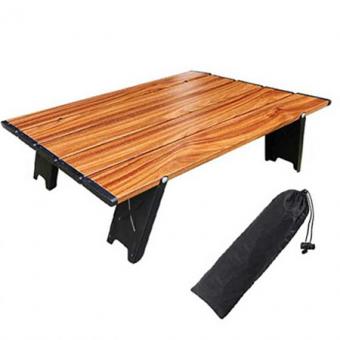
Brand: ANHUI FEISTEL FACTORY Relate Manufacturing: OEM & ODM Product: A lightweight, small, foldable picnic table perfect for outdoor activities. Made of durable materials, it's portable, easy to set up.
Brand: ANHUI FEISTEL FACTORY Relate Manufacturing: OEM & ODM Product: The custom lightweight metal iron foldable moon chair offers durable support and comfort, ideal for outdoor camping, with a compact, portable design for easy transport and storage.
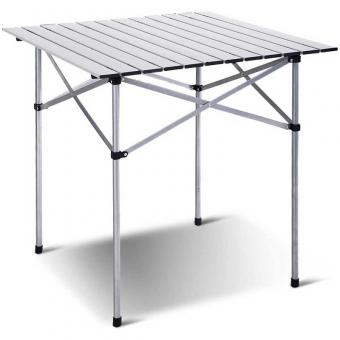
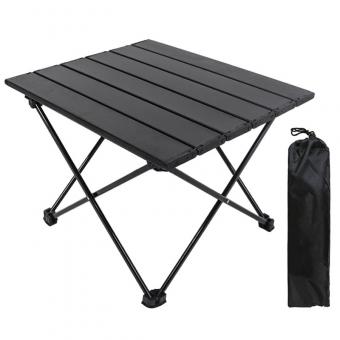
Brand: ANHUI FEISTEL FACTORY Relate Manufacturing: OEM & ODM Product: Compact and lightweight aluminum folding table, perfect for camping, beach, or outdoor activities. Easy to carry, sturdy, and ideal for holding food and drinks.
Brand: ANHUI FEISTEL FACTORY Relate Manufacturing: OEM & ODM Product: This camping foldable wooden lounge chair features a sturdy frame, ergonomic reclining design, and compact folding structure—perfect for relaxing at the beach, campsite, or backyard.
Brand: ANHUI FEISTEL FACTORY Relate Manufacturing: OEM & ODM Product: The hiking backpacking mini stool combines a durable Oxford fabric foldable design with a creative pencil case pocket, offering portability, comfort, and practicality for camping and outdoor adventures.
Brand: ANHUI FEISTEL FACTORY Relate Manufacturing: OEM & ODM Product: An outdoor ultralight single compact portable folding camping bed ideal for backpacking, featuring a durable frame, easy setup, and a convenient carry bag for travel.
Newsletter
Subscribe to our newsletter to receive news, updates, and special offers by email.