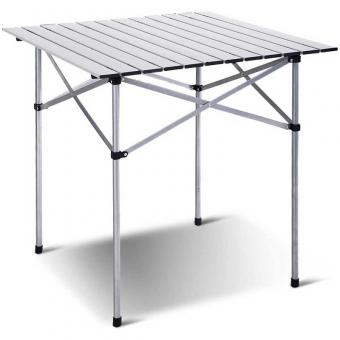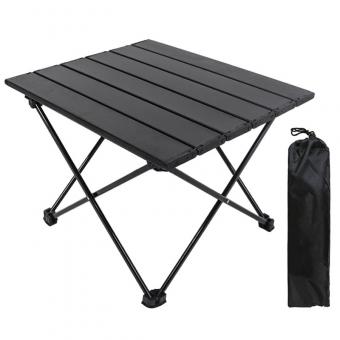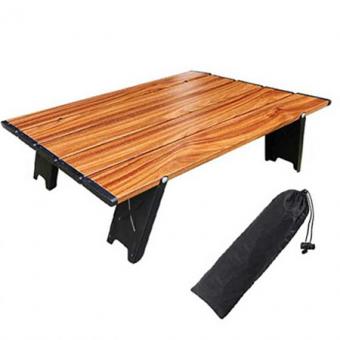
Brand: ANHUI FEISTEL FACTORY Relate Manufacturing: OEM & ODM Product: A lightweight, small, foldable picnic table perfect for outdoor activities. Made of durable materials, it's portable, easy to set up.
Neil welcome to our website !
learn moreThe outdoor industry is undergoing a fundamental transformation. As millions of campers return to nature each year, the very shelters that protect them from the elements are becoming increasingly aligned with the environmental values that draw people outdoors in the first place. The global camping tent market is poised for substantial growth, projected to expand from USD 4.4 billion in 2025 to USD 8.8 billion by 2035, at a compound annual growth rate (CAGR) of 7.1%. Yet beyond the numbers, a quieter but more meaningful shift is taking place: the rise of eco-friendly camping tents. In 2026, sustainability is no longer a niche selling point—it is a baseline expectation for discerning outdoor enthusiasts and B2B buyers alike.
This article explores the sustainable materials driving this revolution, the green manufacturing trends reshaping production lines, and the certifications that separate genuine progress from greenwashing. Whether you are an outdoor retailer stocking next season‘s inventory, a brand developer seeking an OEM eco tent manufacturer, or an individual camper looking to lighten your environmental footprint, this guide provides the insights you need to make informed, responsible choices.
The shift toward eco-friendly camping tents is not merely a marketing trend—it is a response to clear consumer demand and regulatory pressure. Approximately 70% of consumers now prefer products made from sustainable materials, and this sentiment is particularly strong among younger demographics who prioritize experiences over possessions. Millennials and Gen Z, who increasingly view camping as a primary form of leisure and mental wellness, are actively seeking gear that reduces pack weight while maintaining high waterproof ratings and strong wind resistance.
Concurrently, governments and marketplaces are imposing stricter requirements on chemical safety, recyclable materials, and supply chain transparency. The European Union’s evolving regulations on PFAS (per- and polyfluoroalkyl substances)—the so-called “forever chemicals“ used in traditional waterproof coatings—are accelerating the industry’s move toward safer alternatives. For manufacturers and buyers, this creates both opportunity and pressure: those who embrace green camping trends early will capture market share, while those who lag risk obsolescence.
The glamping segment, in particular, is fueling demand for eco-friendly camping tents crafted from natural fibers. The global glamping tents market is growing rapidly, from USD 4.1 billion in 2025 to an expected USD 7.01 billion by 2030, at a CAGR of 11.4%. Major trends include the rising adoption of eco-friendly tent materials, customization of glamping structures, and enhanced focus on guest comfort without compromising environmental integrity.
The foundation of any eco-friendly camping tent lies in its fabric. Traditional tents rely heavily on virgin synthetic fibers—polyester and nylon derived from petroleum—whose production is energy-intensive and generates significant carbon emissions. In 2026, the material landscape has diversified dramatically.
Recycled polyester (rPET), sourced primarily from post-consumer plastic bottles, has become a mainstream option for eco-friendly camping tents. It offers high durability and tear resistance while diverting plastic waste from landfills and oceans. For ultralight backpacking tents requiring exceptional strength-to-weight ratios, recycled nylon is an increasingly popular choice, often sourced from discarded fishing nets and factory fabric scraps. When evaluating such tents, look for those with 50–100% recycled content—a common specification among leading sustainable brands.
For glamping and extended-stay applications, organic cotton canvas has emerged as the premium eco-friendly tent material. Unlike synthetic fabrics, cotton is biodegradable, renewable, and breathable. The Alfheim 12.6 Green Cotton tent, a Red Dot Design Award winner in 2026, features fabric made from environment-friendly harvested and manufactured cotton produced without fertilizers and pesticides. Cotton canvas tents offer natural waterproofing, as the fibers swell when damp to seal the weave, and their breathability significantly reduces condensation—a persistent problem in single-wall synthetic tents.
Perhaps the most exciting frontier in sustainable materials is the development of completely bio-based tent fabrics. A consortium of Dutch companies, supported by Avans Hogeschool, has developed a woven fabric composed of 50% cotton and 50% poly(lactic acid)—a bioplastic derived from renewable resources such as corn starch or sugarcane. This material is suitable for molecular recycling, enabling true circularity. Similarly, innovations like BioFleax™, a fossil-free fiber made entirely from renewable plant resources and agricultural byproducts, are entering the textile market. For campers, this means the green camping gear of the future may leave almost no trace behind.
While not immediately visible to consumers, the dyeing process has historically been one of the most water-intensive and polluting stages of textile manufacturing. Solution dyeing—where pigments are added directly to the yarn before weaving—has gained traction as a low-impact alternative. This method dramatically reduces water and energy consumption compared to traditional batch dyeing. The REI Co-op Westward tent, for example, features solution-dyed mesh that uses less water and energy than conventionally dyed materials, and over 80% of backpacking tents reviewed in 2025 now incorporate this technology.
One of the most significant shifts in green manufacturing trends for 2026 is the industry-wide migration away from PFAS-based durable water repellents (DWR). These fluorinated chemicals, once ubiquitous in outdoor gear, are now recognized as persistent environmental pollutants linked to health concerns. In response, leading brands are adopting PFAS-free alternatives: water-based polyurethane coatings, silicone-coated ripstop nylon, and non-fluorinated DWR treatments.
The REI Co-op Westward tent exemplifies this transition. It features PFAS-free DWR treatments on its rainfly, canopy, and floor fabrics, providing water resistance without forever chemicals. It is also free of flame-retardant finishes, which release harmful VOCs (volatile organic compounds) and PVC (polyvinyl chloride). For B2B buyers sourcing eco-friendly camping tent wholesale, confirming coating compliance and requesting lab test documentation has become essential due diligence.
With the proliferation of “eco-friendly“ claims, third-party certifications provide the independent verification that conscious consumers and buyers demand. Three certifications are particularly relevant for sustainable camping tents:
OEKO-TEX Standard 100 tests finished textile products for the presence of over 100 harmful substances, including heavy metals, pesticide residues, formaldehyde, and certain PFAS compounds. A product carrying this label is considered safe for direct skin contact. However, it does not certify the sustainability of the manufacturing process itself.
GOTS (Global Organic Textile Standard) is a more comprehensive certification that covers both the organic status of raw materials and the social and environmental standards of the entire production chain. At least 70% of the textile content must be certified organic fibers (95% for the organic label tier), and all chemical inputs must meet strict environmental criteria. For camping tents for nature lovers, GOTS certification is a gold standard.
Bluesign focuses on the entire textile supply chain, restricting the use of harmful chemicals at every stage of production while promoting responsible use of water and energy. The Nemo Dagger Osmo, launched in 2025, became the first backpacking tent certified as a “bluesign® Product,” marking a milestone for the industry.
Additionally, the Recycled Claim Standard (RCS) and Global Recycled Standard (GRS) provide traceability for recycled content, while the Forest Stewardship Council (FSC) certification applies to paper-based packaging and cardboard tents.
Green manufacturing trends extend beyond materials to production processes and product lifecycles. A growing number of manufacturers are embracing circular economy principles, designing eco-friendly camping tents that can be repaired, reused, and ultimately recycled back into new products.
Karsten, a Dutch tent manufacturer, introduced the Blueline collection—a range of tents made entirely from recycled materials. Central to the design is TenCate BlueCAMP cotton, which combines virgin cotton with fibers from recycled denim. Each year, approximately 640 million pairs of jeans are discarded in Europe; Karsten collects part of this waste stream, unravels the denim, respins the fibers, and transforms them into tent fabric. The result has a natural blue color, requiring no additional dyeing and dramatically reducing chemical and water usage. On average, each tent saves up to 50,000 liters of water. Even the zippers are made from recycled plastic bottles, and the groundsheet uses leftover industrial bisonyl material.
Other innovations include 100% recyclable cardboard tents from Dutch company KarTent, designed specifically for music festivals to address the massive waste problem of abandoned synthetic tents. The message is clear: circularity is not a distant ideal but a current reality.
Sustainability is also about durability and longevity—a tent that lasts ten years is inherently more eco-friendly than one that fails after two. In 2026, most competitive brands use advanced aluminum camping tent poles, specifically 7001 and 7075 series aluminum alloys, which offer the best balance of weight and durability. These poles are recyclable at end-of-life, unlike fiberglass options. Innovative designs, such as air-beam systems that eliminate poles entirely while enabling rapid setup, are also gaining prominence. The OPUS Smart Tent, a Red Dot Design Award winner, integrates rechargeable lithium batteries with bidirectional power supply for device charging and LED lighting, alongside a lightweight, fire-retardant FSG300 fabric.
For outdoor brands and retailers, selecting the right eco-friendly camping tent manufacturer has become a strategic decision. A professional Camping Tent Factory should provide fabric traceability, recycled content certificates, and testing reports for tear strength and waterproof rating. Key questions for potential OEM partners include:
Do you offer PFAS-free DWR treatments? Confirm coating compliance and request MSDS files and chemical compliance reports.
What recycled content do your fabrics contain? Look for suppliers offering 50–100% rPET or recycled nylon.
Are your tents repairable? Availability of spare parts extends product life.
What certifications do your products hold? OEKO-TEX, GOTS, Bluesign, and RCS/GRS are all valuable markers.
Do you have a take-back or recycling program for end-of-life tents?
Looking ahead, the convergence of sustainability and technology will define the next generation of eco-friendly camping tents. Integrated solar panels, temperature control systems, and automated inflation are no longer conceptual; they are entering production. ALUULA Composites has shipped its first ultra-light composite material to leading tent brands, with consumer-ready models expected as soon as 2026. Their 24 gsm material is not only exceptionally strong but also designed to be recycle-ready.
Meanwhile, research into fully biodegradable composites—bio-plastic laminated with natural fibers—continues to advance. Early trials demonstrate that such materials have suitable tensile properties for tent applications. The outdoor industry is on the cusp of producing shelters that return to the earth as naturally as they were erected.
The evidence is overwhelming: sustainable camping tents are not a compromise but an upgrade. They offer superior performance, longer lifecycles, and the peace of mind that comes with reducing your environmental footprint. Whether you are choosing recycled polyester for a backpacking trip, organic cotton canvas for a glamping retreat, or researching B2B suppliers for your retail line, the materials and manufacturing trends outlined above provide a roadmap for responsible decision-making.
As the outdoor recreation economy continues to grow—the U.S. outdoor recreation economy reached USD 454 billion in 2023—the choices we make today will shape the landscapes we explore tomorrow. Choose an eco-friendly camping tent. Choose green manufacturing. Choose a future where adventure and conservation go hand in hand.
Categories
New Blog
Brand: ANHUI FEISTEL FACTORY Relate Manufacturing: OEM & ODM Product: A lightweight, small, foldable picnic table perfect for outdoor activities. Made of durable materials, it's portable, easy to set up.
Brand: ANHUI FEISTEL FACTORY Relate Manufacturing: OEM & ODM Product: The custom lightweight metal iron foldable moon chair offers durable support and comfort, ideal for outdoor camping, with a compact, portable design for easy transport and storage.
Brand: ANHUI FEISTEL FACTORY Relate Manufacturing: OEM & ODM Product: Outdoor Portable Folding Roll Up Picnic Table: Lightweight, durable aluminum design with adjustable height, easy setup, and compact carry bag for camping, picnics, and outdoor activities.
Brand: ANHUI FEISTEL FACTORY Relate Manufacturing: OEM & ODM Product: A versatile, portable IGT BBQ camping table with adjustable height legs. Ideal for outdoor cooking, camping, and picnics. Lightweight and foldable for easy transport.
Brand: ANHUI FEISTEL FACTORY Relate Manufacturing: OEM & ODM Product: Compact and lightweight aluminum folding table, perfect for camping, beach, or outdoor activities. Easy to carry, sturdy, and ideal for holding food and drinks.
Brand: ANHUI FEISTEL FACTORY Relate Manufacturing: OEM & ODM Product: This camping foldable wooden lounge chair features a sturdy frame, ergonomic reclining design, and compact folding structure—perfect for relaxing at the beach, campsite, or backyard.
Brand: ANHUI FEISTEL FACTORY Relate Manufacturing: OEM & ODM Product: This Outdoor Folding Aluminum Frame Camping Chair features an adjustable backrest, lightweight yet sturdy design, offering portable comfort for camping, beach trips, picnics, and outdoor relaxation.
Brand: ANHUI FEISTEL FACTORY Relate Manufacturing: OEM & ODM Product: The hiking backpacking mini stool combines a durable Oxford fabric foldable design with a creative pencil case pocket, offering portability, comfort, and practicality for camping and outdoor adventures.
Brand: ANHUI FEISTEL FACTORY Relate Manufacturing: OEM & ODM Product: The wholesale hiking equipment travel sleeping bed is an adjustable-height folding camping cot offering sturdy support, easy portability, and comfortable rest for outdoor adventures.
Brand: ANHUI FEISTEL FACTORY Relate Manufacturing: OEM & ODM Product: An outdoor ultralight single compact portable folding camping bed ideal for backpacking, featuring a durable frame, easy setup, and a convenient carry bag for travel.
LET’S STAY CONNECTED :