Aluminum Alloy vs. Steel vs. Wood: Which Korean Outdoor Table Seat Material Lasts Longest?
2026-06-17
When sourcing Korean outdoor table seats for camping, beach outings, or backyard entertaining, durability is often the first question on every buyer‘s mind. After all, outdoor furniture faces relentless exposure to sun, rain, temperature swings, and the occasional rough handling during transport. Korean brands like Helinox, KAZMI, and Monterra have built strong reputations in the global outdoor furniture market, but the material choice beneath the sleek designs ultimately determines how long a product truly lasts.
So which material wins the longevity crown—aluminum alloy, steel, or wood? Let’s break down each option by its durability profile, maintenance demands, and real-world performance in outdoor environments.
Aluminum Alloy: The Lightweight Champion of Corrosion Resistance
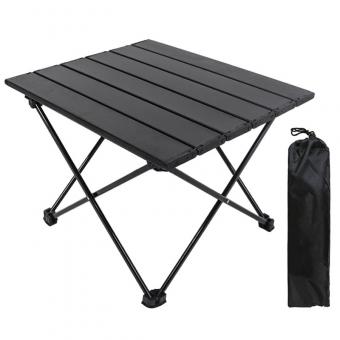
Aluminum alloy has become the material of choice for many premium Korean outdoor furniture brands, and for good reason. Helinox, for instance, exclusively uses DAC‘s proprietary aluminum alloy in its products, maximizing strength while minimizing weight. This isn’t just marketing hype—the engineering behind modern aluminum alloys has transformed what outdoor furniture can be.
Durability Performance
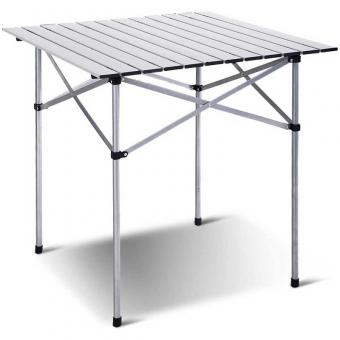
Aluminum alloy furniture is inherently corrosion-resistant and oxidation-resistant, making it highly suitable for long-term outdoor use. Unlike steel, aluminum forms a natural oxide layer when exposed to air, which protects the underlying metal from further degradation. Even if the protective coating gets scratched or compromised, aluminum won’t rust.
Premium Korean manufacturers often take it a step further. KingCamp, for example, uses anodized 6063 aluminum alloy frames for enhanced corrosion resistance and extended service life. Aerospace-grade 7075 aluminum alloy—the same material used in aircraft construction—appears in high-end camping chairs, offering exceptional stability and durability that can “last a lifetime”.
Aluminum also excels in temperature management. While steel can become scorching hot in direct sunlight or freezing cold in winter, aluminum stays more temperate and doesn‘t react dramatically to intense conditions. It can endure high temperatures and direct sun exposure without degrading.
Weight and Portability
One of aluminum alloy’s greatest advantages is its lightweight nature. A typical aluminum-frame camping chair can weigh as little as 1.2kg (about 2.6 lbs) while still supporting up to 150kg (330 lbs). The Helinox Chair Zero LT, for instance, weighs just 1lb 3oz (around 540g) with a 265lb load capacity. This portability makes aluminum alloy the undisputed leader for backpacking, hiking, and any scenario where weight matters.
Potential Drawbacks
Aluminum alloy isn‘t indestructible. While it resists corrosion admirably, it is more prone to denting than steel under heavy impact. However, for typical camping and outdoor use—where furniture is folded, carried, and set up rather than subjected to heavy industrial loads—this is rarely a practical concern.
Longevity Verdict: ⭐⭐⭐⭐⭐ (Excellent)
With proper care, a quality aluminum alloy Korean outdoor table seat can last 10–20+ years. The material doesn’t rust, doesn‘t rot, and requires minimal maintenance beyond occasional cleaning.
Steel: The Heavy-Duty Workhorse
Steel has long been a staple of outdoor furniture construction, prized for its strength and stability. Korean manufacturers often use steel in more budget-friendly lines or in products where maximum structural rigidity is prioritized over portability.
Durability Performance
Untreated steel is highly susceptible to rust—plain steel rusts easily when exposed to moisture. However, modern steel outdoor furniture rarely uses untreated steel. Quality products feature powder-coated, galvanized, or stainless steel construction.
Galvanized steel undergoes a zinc coating process that significantly increases corrosion and rust resistance. Some manufacturers apply double powder coating for enhanced durability, ensuring the furniture withstands rigorous outdoor use while maintaining its appearance. Hot-galvanised steel, in particular, can withstand constant moisture and temperature changes without rusting, making it suitable for harsh conditions like salty coastal air.
Steel‘s primary durability advantage is its resistance to denting and bending. It’s heavier and harder than aluminum, resisting dents and remaining resilient against high winds. Steel furniture can withstand extreme temperatures without warping or degrading.
Weight Considerations
This durability comes at a cost: weight. Steel outdoor furniture is significantly heavier than aluminum, which can make it difficult to move around. For camping and outdoor activities where portability is essential, this is a major limitation. Steel is better suited for semi-permanent setups like patios, decks, or campsites reached by vehicle rather than backpacking trips.
Maintenance Requirements
Steel requires more vigilance than aluminum. While protective coatings are effective, any scratch or chip that exposes bare steel creates a pathway for rust. Regular inspection and touch-up of coatings are recommended, especially in humid or coastal environments.
Longevity Verdict: ⭐⭐⭐⭐ (Very Good)
With proper protective coatings and maintenance, steel Korean outdoor table seats can last 10–15+ years. In dry climates with minimal moisture exposure, lifespan can extend even further. However, once rust takes hold, structural integrity can decline rapidly.
Wood: Natural Beauty with Maintenance Demands
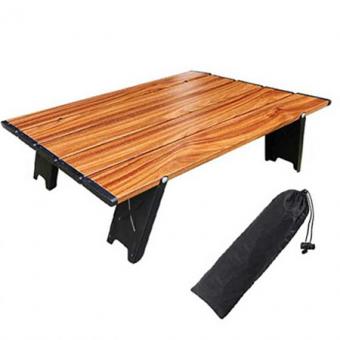
Wood brings a warmth and aesthetic appeal that neither aluminum nor steel can replicate. Korean outdoor furniture sometimes incorporates wood elements—particularly in tabletops or accent pieces—blending traditional design sensibilities with modern functionality. However, wood’s durability in outdoor settings varies enormously depending on the species and treatment.
Durability Performance
Not all woods are created equal for outdoor use. The most durable woods for outdoor furniture include teak and ipe, which naturally resist rot, insects, and weather damage. Teak, in particular, is often considered the gold standard for outdoor durability, with natural oils that resist water, salt, and UV damage.
Acacia wood is another common choice for Korean-style outdoor furniture. It‘s a durable hardwood that naturally withstands the elements and resists wear and tear. However, acacia is not as durable as teak and is less resistant to moisture and extreme climates. Left untreated, acacia will weather over time to a light grey color.
Maintenance Requirements
Here’s where wood diverges significantly from metal options. Wood outdoor furniture demands ongoing maintenance to maximize longevity. Teak oil should be applied with a cloth twice a year to maintain the wood‘s longevity and vibrancy. Protective outdoor coatings help resist fading, water, and stains, but these coatings require periodic reapplication.
Without proper maintenance, wood can warp, crack, rot, or become susceptible to insect damage. Even the most durable woods will eventually show signs of weathering if neglected.
Weight and Portability
Solid wood is heavy—often heavier than steel furniture of comparable size. This makes wood less ideal for portable camping applications. Wood is better suited for stationary outdoor settings where weight isn‘t a concern.
Longevity Verdict: ⭐⭐⭐ (Good to Excellent, Depending on Species and Care)
Teak: ⭐⭐⭐⭐⭐ (25–50+ years with minimal maintenance)
Acacia with regular maintenance: ⭐⭐⭐⭐ (10–20 years)
Acacia without maintenance: ⭐⭐ (3–5 years before significant weathering)
If absolute longevity is your only metric, premium hardwoods like teak can outlast both aluminum and steel, potentially surviving 50 years or more with proper care. Teak’s natural oils make it exceptionally resilient.
However, teak‘s longevity comes with caveats: it’s expensive, heavy, and requires regular maintenance to achieve that lifespan. For most practical outdoor applications—especially camping and portable use—aluminum alloy offers the best balance of longevity, low maintenance, and portability.
Steel sits in the middle: highly durable and strong, but heavier than aluminum and more vulnerable to rust if coatings are compromised. Steel‘s weight makes it less practical for portable applications, but for stationary outdoor setups, it’s a solid choice.
Practical Recommendations for Different Users
For Campers and Backpackers
Choose Aluminum Alloy. The combination of lightweight portability, corrosion resistance, and low maintenance makes it the clear winner. Korean brands like Helinox have perfected aluminum alloy construction for outdoor use.
For Patio and Garden Use
Steel offers excellent value if you prioritize strength and don‘t need to move furniture frequently. Look for powder-coated or galvanized steel with UV-resistant finishes.
For Aesthetic-Focused Outdoor Spaces
Wood—particularly teak—provides unmatched natural beauty. Be prepared for regular maintenance (oiling, sealing) to protect your investment.
For B2B Buyers and Importers
Consider your target market‘s priorities:
North American and European campers: Aluminum alloy dominates due to portability and weather resistance
Coastal regions: Aluminum alloy or galvanized steel (rust resistance is critical)
Design-conscious consumers: Wood or wood-accent pieces appeal to premium buyers
Final Verdict
Aluminum alloy offers the best overall durability for Korean outdoor table seats when considering the complete picture: corrosion resistance, weight, maintenance requirements, and practical lifespan. While premium teak can theoretically last longer, the maintenance burden and weight penalty make aluminum alloy the more practical choice for most users.
Steel remains a viable option for stationary applications where weight isn‘t a concern, provided protective coatings are maintained.
Wood delivers unmatched aesthetics but demands commitment to maintenance—neglect it, and durability plummets.
For the vast majority of outdoor enthusiasts and commercial buyers, aluminum alloy Korean outdoor table seats deliver the optimal balance of longevity, portability, and hassle-free maintenance—making them the smartest investment for years of reliable outdoor use.
Brand: ANHUI FEISTEL FACTORY Relate Manufacturing: OEM & ODM Product: A lightweight, small, foldable picnic table perfect for outdoor activities. Made of durable materials, it's portable, easy to set up.
Brand: ANHUI FEISTEL FACTORY Relate Manufacturing: OEM & ODM Product: The custom lightweight metal iron foldable moon chair offers durable support and comfort, ideal for outdoor camping, with a compact, portable design for easy transport and storage.
Brand: ANHUI FEISTEL FACTORY Relate Manufacturing: OEM & ODM Product: Compact and lightweight aluminum folding table, perfect for camping, beach, or outdoor activities. Easy to carry, sturdy, and ideal for holding food and drinks.
Brand: ANHUI FEISTEL FACTORY Relate Manufacturing: OEM & ODM Product: This camping foldable wooden lounge chair features a sturdy frame, ergonomic reclining design, and compact folding structure—perfect for relaxing at the beach, campsite, or backyard.
Brand: ANHUI FEISTEL FACTORY Relate Manufacturing: OEM & ODM Product: The hiking backpacking mini stool combines a durable Oxford fabric foldable design with a creative pencil case pocket, offering portability, comfort, and practicality for camping and outdoor adventures.
Brand: ANHUI FEISTEL FACTORY Relate Manufacturing: OEM & ODM Product: An outdoor ultralight single compact portable folding camping bed ideal for backpacking, featuring a durable frame, easy setup, and a convenient carry bag for travel.
Newsletter
Subscribe to our newsletter to receive news, updates, and special offers by email.