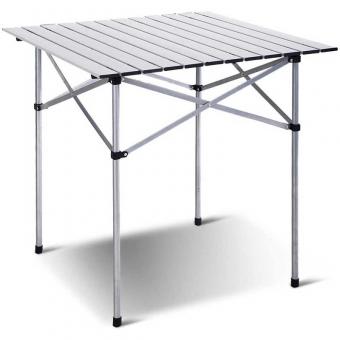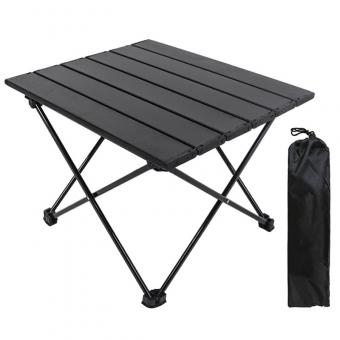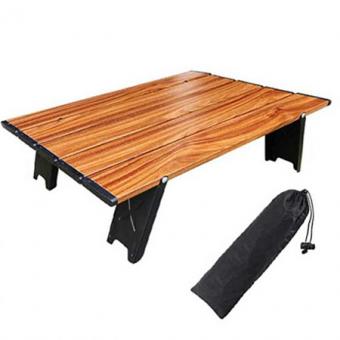
Brand: ANHUI FEISTEL FACTORY Relate Manufacturing: OEM & ODM Product: A lightweight, small, foldable picnic table perfect for outdoor activities. Made of durable materials, it's portable, easy to set up.
Neil welcome to our website !
learn moreFrom tree selection to a dry and comfortable night, our practical manufacturer-focused guide to hammock setup and troubleshooting.
At FEISTEL Outdoor, we supply outdoor camping equipment for retail and wholesale customers. This guide explains how to prepare and use a hammock responsibly, distinguishing general setup principles from instructions that must be checked for each individual model. We have not presented hypothetical sample evaluations as completed FEISTEL laboratory trials.
A safe setup begins by identifying which style of hammock is being installed. A gathered-end nylon bed suspended with straps between trees behaves differently from a spreader-bar leisure hammock or a fabric bed resting on a purpose-designed stand. Look at the actual hammock ends, the supplied suspension and the instructions before choosing an anchor arrangement. At FEISTEL we regard setup as a relationship between the user, the terrain, the fabric, the anchors and the weather, rather than simply a task of tying two ropes. A product label such as camping hammock does not specify every permitted way to hang it.
For example, a compact nylon hammock with carabiners and looped straps can be assembled without permanent holes or structural modifications, provided suitable trees and correct compatible parts are available. The same kit does not become an indoor ceiling kit merely because the fabric could physically fit in a room.
FEISTEL setup checkpoint: Before hanging, separate the hammock body, two straps, connecting hardware and any optional tarp or net. Identify the model instructions, published rating and whether each component is included or separately purchased.
Start with the least glamorous step: check the equipment on the ground. Lay out the hammock so the end attachments are visible and inspect the fabric for tears or suspicious wear. Look closely at suspension webbing, stitching, hardware gates and adjustment loops. Check whether accessories from different sets were accidentally mixed. If a component is missing or visibly damaged, installation should stop until the correct replacement is available. An easy setup is not a good setup if a hidden flaw goes unnoticed.
In a shared campsite, hammocks and straps are often stored in similar small bags. Labeling each set can prevent a person from borrowing the wrong connector or using a strap whose intended rating is unknown. This matters even more for groups moving camp frequently.
FEISTEL setup checkpoint: Confirm permitted use, the appropriate attachment method and the current product guidance. Do not use climbing or industrial equipment ratings as automatic evidence of suitability for a hammock arrangement.
A convenient pair of trees is not automatically a permitted campsite. Check local land-manager rules, established site requirements and whether hammocks are allowed on the property. Avoid protected vegetation, restoration areas, wildlife habitat, pathways and places where a low suspended line would endanger walkers. A hammock saves the need for a tent-size level floor, but the site still deserves careful selection. From a manufacturer’s perspective, the best product description should tell buyers where the design can responsibly be used, not simply promise freedom to hang anywhere.
At a busy campground, two trees bordering a route to the bathroom might appear perfectly spaced. The suspension would nevertheless create a foreseeable collision risk for people moving through the area at night. Choose another site rather than attempting to mark the ropes and hoping everybody sees them.
FEISTEL setup checkpoint: Before installation, walk around the entire suspension corridor and inspect ground hazards beneath the potential bed. If the location is questionable, move the hammock rather than trying to compensate with unusual hardware.
Healthy-looking bark does not tell the whole story. Look for dead limbs above the planned site, visible decay, cracks, cavities, loose bark, severe lean, exposed damaged roots and unstable ground around the base. Inspect both trees, not just the one nearest the campsite. Never treat an approximate trunk diameter as a guarantee of structural strength; species, health and soil conditions vary. If there are doubts, choose an alternative anchor or use an approved stand.
A robust trunk with a large dead branch directly overhead is not a good choice, even if its diameter appears generous. Equally, a tree near a washed-out bank can be compromised at the roots without dramatic problems in its canopy. A short walk to another established campsite is the correct response.
FEISTEL setup checkpoint: Avoid hanging from dead trees, damaged limbs or improvised supports. FEISTEL cannot determine the suitability of a particular living tree from a general online guide.
Tree spacing depends on the occupied length of the bed, desired sag, strap adjustment range and placement height. Generic rules like ten feet, fifteen feet or twenty feet cannot fit every design equally well. Measure the available gap and follow the model’s specified geometry. A greater span commonly calls for higher attachment points or longer straps, which can make a setup less convenient. Longer is not necessarily better.
A short recreational hammock may be manageable between trees where a long overnight hammock cannot achieve a sensible occupied height. Conversely, a wide gap may exhaust the adjustment on the supplied straps. Stretching a hammock unusually tight to bridge that distance is not an appropriate solution.
FEISTEL setup checkpoint: Use the manufacturer’s published dimensional guidance for the specific SKU. If anchors are poorly positioned, choose different trees or a suitable freestanding system.
Wide webbing straps are generally preferable to bare narrow cord for contact with tree bark, because they distribute pressure more broadly. A tree-protection strategy still depends on suitable trees, correct installation and local rules. Wrap the approved strap smoothly around the trunk according to its designed method; avoid sharp twists that create narrow high-pressure edges. Secure the webbing to itself in the specified arrangement rather than improvising knots that may slip or damage the strap.
A user may find that a long daisy-chain strap appears tangled after being pulled from the stuff sack. Rather than twisting several branches of webbing into a makeshift loop, straighten it on the ground and identify the designed attachment end. The correct configuration is easier to inspect.
FEISTEL setup checkpoint: Do not drive nails, hooks or screws into living trees. Remove straps at the end of the visit where required, and never assume one strap width makes every tree safe.
Daisy-chain straps offer multiple attachment positions without requiring a complex knot at the hammock end. The loop or pocket selected changes effective length and bed height. However, products differ in loop construction: some are sewn as discrete load-bearing pockets; others may use attachment details that are not intended for clipping in every location. Use the exact method shown for the supplied strap.
FEISTEL’s published 300 × 200 cm nylon hammock set lists two straps with 15+1 adjustment loops. That is useful for explaining the general concept, but buyers should follow the instructions for the precise production version received and check that the included hardware engages the correct load-bearing loop.
FEISTEL setup checkpoint: Keep the strap free of sharp edges and inspect load-bearing stitches. Never clip solely through a decorative part or an unverified seam.
The clip or carabiner is more than a convenient fastener. Its dimensions, gate closure and loading direction matter. Position the connector as instructed so the expected load acts through its intended major axis and the gate is not pressing against the tree, fabric or metal edge. Do not modify it, force it into a tight corner or use a damaged item. Hardware used in one sport or industry is not necessarily authorized for every other application.
Imagine a hammock clip that looks firmly attached but is held partly sideways against a broad wooden post. The gate may be pressed or the load may act in an unintended direction. The proper correction is to change to an approved arrangement, not to assume that a large metal clip is immune to misuse.
FEISTEL setup checkpoint: After connection, check that both gates close and the load path can be seen from bed to strap to anchor. Confirm compatibility of mixed-brand components before relying on them.
For many gathered-end camping hammocks, an approximately thirty-degree strap angle to level ground is a practical starting reference. It is not a universal requirement for spreader-bar, bridge, stand-mounted or specifically designed ridgeline systems. A very shallow angle produces higher horizontal forces in the suspension for the same supported load. The reason comes from elementary force balance: the vertical components of the two supporting tensions must carry the suspended weight.
If a user pulls the suspension almost horizontal to make the bed look flatter, the hammock may feel tight and the anchor forces rise. A more moderate angle can offer more usable sag, though individual comfort still depends on length, fabric and body position. The aim is a sensible arrangement, not a photography-perfect semicircle.
FEISTEL setup checkpoint: Follow product-specific instructions whenever they specify another angle. Do not treat a visual estimate as proof of safe structural loading.
In a simplified symmetric two-point model with a centered static occupant, each side must supply half the vertical load. If each side forms an angle theta above the horizontal, line tension is approximately W divided by twice the sine of theta. This mathematical illustration explains why tension increases as theta approaches zero. Actual hammocks can have unequal spans, moving occupants, distinct ridgeline forces and nonideal anchors, so the simple equation must not be used as a product certification.
For illustration only, a thirty-degree angle makes each idealized side tension approximately equal to the centered static weight, while a fifteen-degree angle gives a larger factor. That does not mean a strap rated for the occupant’s body weight is adequate, nor that live motion creates no added forces.
FEISTEL setup checkpoint: Use approved load ratings for the entire system and any required engineering verification. The formula helps explain a setup mistake; it does not approve an anchor.
Keep the hammock low enough for controlled entry and a lower-consequence fall, while ensuring the occupied bed does not contact the ground. Common general guides describe chair-height positioning; some suggest around eighteen inches under load. These numbers are guidance for some recreational hammocks, not mandatory values for every user and configuration. The hammock’s loaded position matters because flexible fabric changes shape once someone sits in it.
A bed may appear comfortably elevated when empty and touch the ground when an adult enters. Instead of lifting the whole system dramatically higher, recheck the chosen trees, bed length and permitted adjustment range. A low hanging height should never be achieved by allowing the underside to scrape sharp rocks or roots.
FEISTEL setup checkpoint: Keep the area below clear of hazardous objects. Never suspend a recreational hammock high over a drop, watercourse or other dangerous surface.
After attaching both ends, view the hammock from a few steps away. Is the bed reasonably centered between supports? Is one attachment unexpectedly much higher? Are webbing loops equal in their intended geometry? Minor asymmetry may be a valid comfort adjustment, especially for a user who prefers a slightly higher foot end, but accidental extreme differences can make entry awkward. Before adding a tarp or insect net, establish the basic fabric bed position.
For a first setup, avoid trying to solve sag, width, rain coverage and foot height simultaneously. Move only one suspension attachment or one loop at a time. This makes the result interpretable and helps the user recognize what has changed.
FEISTEL setup checkpoint: Be sure both sides remain within the adjustment and installation rules provided with the hammock. A taut-looking line is not proof of correct tension.
A careful entry is part of setup, not a separate recreational step. Check all connections visually, then sit on the middle of the fabric while keeping feet supported and gradually transfer weight. Listen for unexpected movement and watch for a shifting strap or connector. This is only a cautious functional check, not a rated static load test or a substitute for inspection. If anything feels wrong, leave the hammock immediately and diagnose the cause.
In a new campsite, a tree strap can be pulled slightly into position when loaded for the first time. A user who jumps into the hammock would miss the chance to notice that movement. Gradual entry reveals the geometry while keeping the body close to the ground.
FEISTEL setup checkpoint: Do not bounce, jump or deliberately shock-load the arrangement to “prove” it is strong. Formal performance verification requires appropriate controlled test methods.
Approach the middle of a gathered-end hammock, part the side fabric if necessary and sit with a deliberate center-of-mass movement. Keep your feet on stable ground as you settle, then lift them into the hammock only after finding balance. To exit, reverse the motion and bring both feet beneath the body before standing. Different models have different openings or access methods, so follow the relevant instructions for bottom-entry or integrated-net constructions.
A novice often tries to climb into a hammock feet-first. That can shift the fabric unexpectedly and make the action harder than sitting first. Practicing in daylight is useful before a windy or rainy overnight trip.
FEISTEL setup checkpoint: If entry is difficult because the hammock is too high or too low, change the permitted hanging geometry before sleeping. Do not rely on nearby furniture for support unless it is appropriate for that purpose.
Gathered-end hammocks create a curved fabric bed, but many sleepers obtain a more relaxed body position by moving slightly diagonal to the centerline. This spreads contact across a different region of fabric rather than forcing the body along the deepest center curve. Personal preference and hammock size affect how much diagonal positioning is possible. It is an option to try, not a guarantee of spinal alignment or superior sleep.
After entering, shift the shoulders a little toward one side and the feet toward the opposite side. If the fabric presses against the shoulders, move a few centimeters and reassess. A short hammock or narrow bed may simply offer less positioning freedom than a longer, wider model.
FEISTEL setup checkpoint: Do not use sleep comfort as evidence of structural safety. Feelings of support depend on setup, body size and textile behavior; the attachment system must still meet its own requirements.
Shoulder squeeze refers to uncomfortable side pressure around the upper torso; a calf ridge is a tensioned fold beneath part of the lower leg. Both can arise from combinations of occupied geometry, fabric tension and body placement. Widening the hammock is not always the first or only remedy. Check hanging tension, try a diagonal lay and consider whether the bed is long enough for the sleeper’s body.
A common mistake is to tighten the hammock in response to calf pressure. This may increase fabric tension in an unhelpful way. Make incremental adjustments and test again before deciding that the product is too narrow. If a pressure point remains, another hammock size or construction may be more suitable.
FEISTEL setup checkpoint: Do not make structural alterations, cut seams or change suspension hardware to correct a comfort complaint. Keep troubleshooting within the approved setup options.
The term ridgeline describes more than one component. Some hammocks have an integrated structural ridgeline that controls the bed’s usable geometry; other users run a separate line above the bed to support accessories such as a bug net or tarp. A tarp ridgeline should not be mistaken for an approved load-bearing hammock suspension element. An integrated structural line must not be shortened, lengthened or removed unless the model instructions authorize the change.
A camper can see a cord above the bed and assume every cord serves the same purpose. When packing, separate the structural element from the rainfly cord and identify which one belongs to the hammock body. This avoids accidental incorrect assembly after dark.
FEISTEL setup checkpoint: Use only the model’s permitted ridgeline arrangement. Do not attach body weight to accessory lines or use them as improvised support points.
In wet weather, one efficient sequence is to establish the rain shelter first, then unpack the sleeping hammock under its cover. This reduces the period during which the bed fabric and insulation are exposed to rainfall. Exact tarp procedure depends on whether it has an independent ridgeline, a shared suspension or an integrated canopy. The shelter must drain water away from the sleeper and avoid collecting large pools in loose fabric.
At a rainy campsite, a person may immediately hang the hammock, then spend ten minutes trying to position a tarp over wet bedding. Switching the order can keep the interior equipment protected while the outer shelter is being adjusted. Practice the sequence before traveling, because storm conditions are a poor time to learn a new knot.
FEISTEL setup checkpoint: Never attach the tarp in a way that damages live trees or interferes with hammock load-bearing connections. Keep safe clearance from cooking flames and heat sources.
A camping tarp must cover the occupied hammock and help manage wind-driven rain. Fabric width alone cannot tell whether the coverage will work: suspended length, pitch, ridgeline placement, side closure and prevailing weather all influence protection. An A-frame pitch can provide useful symmetry, while asymmetric or porch-like configurations may improve access in calmer conditions. Follow the tarp’s designed attachment options.
A broad tarp that is mounted very high can leave the sleeper exposed to angled rain despite looking impressive in a product photograph. Lowering an appropriate tarp and adjusting guyline positions may improve practical shelter without adding another component.
FEISTEL setup checkpoint: Inspect tarp corners and tie-outs under tension and prevent water pockets. Do not assume that a fabric described as waterproof makes the entire shelter rainproof.
Water can follow suspension elements toward the hammock, particularly when the line directs it inward. Depending on the design, a compatible drip point or drip line placed outside the protected sleeping area may interrupt the path. An improvised drip knot is not a replacement for the manufacturer’s defined weather arrangement, and its performance should be checked before relying on it in heavy rain.
During a practice setup, spray or observe water along the outside portion of the suspension while the sleeping bed is protected, and look for any path toward the fabric. The aim is to understand the assembly, not to claim a laboratory rainproof rating.
FEISTEL setup checkpoint: Keep weather-management accessories separate from the main load path and ensure nothing changes the rating or proper connection of suspension hardware.
A person lying in a hammock compresses insulation beneath the body, while moving air under the bed increases potential heat loss. An underquilt aims to retain loft beneath the hammock without being directly compressed. It needs to fit the chosen bed, sit close enough to avoid large drafts and remain aligned as the sleeper moves. The attachment method differs by quilt, so follow both makers’ instructions.
A camper may initially suspend an underquilt too far below the bed because it looks like there should be space for air. Large gaps can allow cool air to circulate, while overtightening can compress loft. Small adjustments while someone is inside the hammock are more informative than judging the empty bed from a distance.
FEISTEL setup checkpoint: Do not interpret a second layer of plain nylon fabric as a complete cold-weather insulation system. Check expected temperatures, precipitation and wind.
A sleeping pad can help insulate the underside when compatible with the fabric bed. Some double-layer models offer a usable pocket that retains a pad; others have two sewn-together layers without a practical opening. Single-layer beds can also hold an appropriate pad inside the sleeping area, though position changes may move it. Product compatibility matters more than the label double.
A narrow foam pad may leave shoulders exposed even if it stays under the torso. A wide inflatable pad may buckle in a curved hammock and resist the sleeper’s natural position. Try the exact pad-and-hammock combination rather than relying on a dimension alone.
FEISTEL setup checkpoint: Confirm pad pocket dimensions, opening and intended thickness. Avoid forcing thick accessories between seams that were not designed as storage openings.
A top quilt or suitable sleeping bag addresses heat loss above the body, but it does not automatically insulate the compressed underside. Consider the entire sleep system—underbody insulation, top covering, rain shelter, wind exposure and clothing—against the conditions expected overnight. Warm afternoon setup temperatures are a poor predictor of what the campsite will feel like before dawn.
When planning a late-season trip, practice the complete arrangement close to home. Check that the tarp can be reached, the quilt stays aligned and the occupant can enter without dislodging the sleeping pad. A comfortable summer hammock may require substantially different equipment for autumn.
FEISTEL setup checkpoint: Do not assign a universal temperature rating to a bare hammock body. Any thermal claim should be tied to the tested insulation configuration and appropriate measurement method.
A bug net should cover the vulnerable sleeping area while allowing adequate clearance around the face and body. Integrated designs may have dedicated lines or zipped access points; separate nets may hang over or enclose the hammock from another suspension. A net that catches in carabiners or strains the hammock ends can create functional problems even if the mesh itself looks intact.
The position that looks correct before entry may change when fabric sags under load. Test the net while someone is inside, opening and closing the zipper or access point and checking for gaps at the ends. Remember that a net is a barrier requiring correct closure, not a guarantee against every insect.
FEISTEL setup checkpoint: Keep net fabric away from flames, heaters and cooking equipment. Do not use a mosquito-net ridgeline as a body-weight-bearing suspension.
Spreader-bar hammocks hold the fabric edges open with rigid members and may require a hanging geometry different from gathered-end camping beds. Some are installed with relatively less sag or are intended for a particular matching stand. Their open surface may feel inviting, but movement and entry can differ from a cocoon-like gathered-end hammock. A thirty-degree gathered-end guideline must not be imposed automatically.
A spreader-bar hammock that is stretched across a stand designed for a short gathered-end bed may reach the wrong tension or hang at the wrong height. Apparent attachment compatibility is not sufficient; verify the complete stand-and-hammock combination.
FEISTEL setup checkpoint: Follow the specific model’s attachment distances, hardware and permissible load. Do not substitute a general camping suspension diagram for a spreader-bar instruction sheet.
A freestanding stand is a practical alternative where trees are absent or hanging is prohibited. The stand supplies its own support points but must be installed according to its assembly instructions on a suitable surface. Check that all tubes, pins, hooks and feet are present and that adjustable settings are used only as authorized. A stand may be movable, yet that does not make it suitable for every uneven or soft surface.
FEISTEL’s portable hammock with steel stand is positioned for vehicle-accessible recreation and lists five adjustment positions. These features can help a buyer identify the design category, but its advertised 450 lb capacity is a product-page claim, not a load test reproduced in this article.
FEISTEL setup checkpoint: Do not modify a stand to fit a hammock of incompatible length or type. Verify the exact approved configuration and inspect joints before the first entry.
When there are no usable trees, a purpose-built stand solves the anchor problem by supplying designed support points. Tying rope to fences, light poles, vehicle mirrors or random railings is not an equivalent solution because their ability to sustain hammock loads is usually unknown. An appealing photograph of a creative hang says nothing about actual structural safety.
At a campsite, somebody may be tempted to tie one end to an RV door hinge and the other to a picnic shelter support. Both structures have other intended functions and may be damaged by unanticipated horizontal loading. The responsible choice is a rated compatible stand or another permitted site.
FEISTEL setup checkpoint: Do not use temporary posts or building components unless a qualified responsible party has confirmed their suitability for the specific loading arrangement.
Indoor installation is a structural mounting problem as well as a decorating task. Drywall, trim, decorative beams, railing infill and thin partitions should not be assumed to carry suspended people. Load paths through framing and fasteners must be assessed for the actual building. The presence of a stud or joist is not by itself proof of adequate capacity, especially near openings or connections. Seek competent structural advice where suitability is unclear.
A homeowner may buy a generic eye bolt and choose its position because the hammock looks symmetrical. But the fastener, embedment, load direction and condition of the framing determine whether the assembly is appropriate. None of those facts can be inferred from the photograph on a retail page.
FEISTEL setup checkpoint: Use appropriate approved mounting systems and follow local building requirements. This guide intentionally does not prescribe one universal screw size or drilling depth for unknown structures.
Porches and pergolas are sometimes attractive hanging locations, but not every visible post is a structural column and not every structural column is designed for lateral hammock loads. Connections at the top and base may control performance. A freestanding pergola that supports shade fabric might not be an approved suspension structure. Treat these locations as building-engineering questions rather than quick alternatives to trees.
A deck post may feel immovable when pushed by hand, yet that says little about repeated horizontal loading from a hammock. Likewise, an ornate patio column could conceal a lightweight decorative shell. If documentation is unavailable, do not assume it is safe.
FEISTEL setup checkpoint: For permanent mounting, request appropriate approval of the structural support and the fastening configuration. A product rating cannot certify the building that supports it.
One advantage of a suspended bed is that the ground between anchors need not be perfectly level. The user’s entry position and the region beneath the hammock still require care, however. Slopes change the relationship between tree heights and the expected ground clearance. A low bed over a steep drop or a sharp projection is a poor choice even if the straps reach.
At a wooded campsite with a modest slope, adjust the permitted strap heights independently to achieve a usable occupied bed position. Avoid treating the ground’s apparent slope as the correct reference for tension; assess the actual suspended geometry and access area.
FEISTEL setup checkpoint: Never hang over cliffs, fast-moving water or unstable embankments. The reduced need for ground clearing does not remove fall hazards.
A hammock suspended from two approved natural anchors is not equivalent to a stand placed on sand. For stands, foot contact and settlement become important. Loose dry sand may yield under concentrated loads, while wet or compacted surfaces can behave differently. The stand must be permitted and compatible with the actual ground, not just described as outdoor.
A visitor may install a freestanding stand near a beach path and discover one foot sinking more than the others. Continued use is not a reasonable remedy. Relocate to an appropriate firm level surface and reassemble as necessary.
FEISTEL setup checkpoint: Shorelines can be sensitive habitats and may have specific restrictions. Avoid unauthorized tree attachments and protect metal components from accumulated sand and moisture according to their care guidance.
A group may want hammocks near one another for social reasons. That does not justify stacking them vertically, clustering many attachments on one tree or crossing suspension lines over paths. Each hammock needs an appropriate pair of supports and its own complete approved suspension. Multiple nearby lines can also create a visibility hazard after dark.
In a family campsite, two beds can be arranged side by side with clear separation, rather than one directly above the other. The extra space helps users enter and exit independently and makes inspections easier.
FEISTEL setup checkpoint: Follow local land-manager guidance regarding cumulative tree stress. Do not infer that one healthy tree can support unlimited simultaneous hammock systems.
A double-size hammock provides more fabric width but does not automatically approve every two-person activity. The combined users must be within the stated conditions for the entire assembled system, and shared movement can increase instability. Short-duration lounging and uninterrupted overnight sleep are different use cases. In a flexible bed, two sleepers may drift toward the center and disturb each other.
FEISTEL’s 300 × 200 cm nylon hammock is described as a double camping model. The page also lists a specific rated load, so purchasers should check current documents rather than assuming that double means twice the capacity of a single product.
FEISTEL setup checkpoint: Enter gradually and follow the exact occupancy instructions. For independent overnight sleep, separate approved hammocks may be more practical.
Tall users may find that fabric length, end geometry and diagonal positioning are more important than nominal occupant count. A wide bed that is relatively short can still create uncomfortable pressure or restrict shoulder placement. When evaluating a hammock, distinguish the fabric dimensions from the distance between anchors. A 300 cm bed does not mean two trees should be only 300 cm apart.
A tall person may initially compensate for a cramped feeling by pulling the straps higher or tighter. This can make setup less comfortable and alter forces without increasing the bed’s usable length. A longer compatible hammock may be a more appropriate choice.
FEISTEL setup checkpoint: Review open bed measurements and the manufacturer’s recommended fit guidance; do not assume width alone determines suitability.
A hammock looks inviting to children, but it is suspended equipment rather than a playground swing. Supervision, appropriate height and permitted use matter. Avoid settings where children can run through support lines, climb on one another or turn a hammock into a trampoline. A wide double hammock is not an automatic safety solution for a family.
On a family campsite, set the hammock away from cooking equipment and circulation paths. Explain how to sit in the middle, place feet on the ground before standing and avoid swinging excessively. Adults should check the connection before each supervised use.
FEISTEL setup checkpoint: Observe the product’s age limits and warnings. Never leave young children unattended in suspended beds, and never permit play on stacked hammocks.
A hammock is not a safe place to stay during a thunderstorm, severe wind or other hazardous weather. Tree selection cannot eliminate lightning risk or the possibility of falling limbs. Tarps also introduce wind exposure through their surface area and anchors. For uncertain forecasts, choose the correct shelter plan ahead of time instead of improvising when the weather deteriorates.
A campsite may feel calm at setup, then experience strong gusts after sunset. A high rain tarp can flap, stress tie-outs and allow precipitation to reach the sleeping bed. Monitor conditions and follow safe emergency plans rather than assuming the hammock’s small packed size makes it suitable for extreme weather.
FEISTEL setup checkpoint: Never attach a hammock to unstable storm-damaged trees. Leave exposed suspension systems when conditions become unsafe.
Unlike a tent floor, a suspended bed offers limited places to spread loose items. Keep essentials such as a headlamp, water bottle and footwear in reachable positions without overloading nonstructural fabric pockets. Some campers use accessory organizers or a protected groundsheet to keep equipment together; those attachments must not interfere with load-bearing parts.
A headlamp buried in the hammock’s fold may be difficult to find after dark. Practice where it will be stored, whether the zipper can be operated from inside a net and how to leave the hammock safely at night. These small details influence overnight comfort more than another centimeter of fabric width.
FEISTEL setup checkpoint: Do not attach heavy equipment to a tarp ridgeline or bug net unless the system is expressly designed for that load.
A repeatable order reduces confusion. Choose and inspect the site, check the anchors, install the permitted suspension, hang the bed low, verify the connections, test entry, then fit shelter and insulation as needed. In rainy weather, modify the order by pitching the rain cover first where compatible. Practice every step at home so the campsite is not the first full assembly.
The beginner who hangs the net and quilts first may hide the carabiners and make inspection difficult. Starting with the simple load-bearing system keeps critical components visible until the geometry has been checked. Accessories can then be adjusted around the occupied bed.
FEISTEL setup checkpoint: Make a personal checklist using the exact equipment in your bag. Generic setup articles are useful orientation but cannot override that model’s instructions.
For a short reading break, the process can be simpler than an overnight camp, but it still requires anchor evaluation and correct suspension. Users may not need a tarp or full insulation on a warm dry afternoon, although direct sun, wind and insects may change that choice. The essential steps—site, supports, straps, connectors, height and cautious entry—remain the same.
A day hiker stopping for lunch may prefer to keep the entire setup in one compact bag and spend only a few minutes on installation. That convenience is legitimate, but it should not come from skipping the overhead hazard inspection or attaching to the nearest unknown object.
FEISTEL setup checkpoint: Pack the hammock only after checking the fabric and accessories. Remove straps from trees when leaving and follow any site-specific environmental rules.
A planned takedown can protect the sleeping equipment from getting wetter. Remove personal belongings, insulation and loose accessories first, then manage the rain tarp as an outer cover if the design permits. Keep muddy straps separated from clean fabric and record any damaged or missing piece. Wet equipment should not be packed in a sealed bag for prolonged storage without appropriate drying.
At the end of a rainy trip, a camper may have no practical option but to carry damp fabric home. Pack it temporarily with care, then open and dry it promptly according to the instructions. A convenient stuff sack is not a substitute for moisture management.
FEISTEL setup checkpoint: Never disassemble a suspension while somebody remains in the hammock. Check that all parts are collected and no straps or cords are left on the site.
Tree contact and repeated loading expose straps to dirt, abrasion and moisture. After use, inspect the webbing along its full length and examine stitches, loops and contact points for fraying, cuts, hardening or deformation. Clean only as permitted by the material and manufacturer. Some chemical cleaners may affect textiles or coatings, so an arbitrary strong solvent is not an appropriate shortcut.
A strap may look fine while coiled but reveal a damaged edge when stretched out in daylight. Make inspection part of unpacking at home, not only a rushed step before the next trip. Store dry and protect from unnecessary sun exposure.
FEISTEL setup checkpoint: Retire visibly compromised load-bearing webbing rather than attempting household repairs. Do not rely on an unsupported fixed service-life claim in place of condition checks.
A hammock bed transfers load through its textile body toward gathered ends and suspension attachments. Examine areas where fabric folds or concentrates stress, not just the large central sleeping panel. Abrasion, pulled stitches, holes and heat damage can compromise reliability. The appearance of an undamaged fabric center does not prove that end attachments remain sound.
A small snag at the edge may be harmless in one nonstructural location and concerning in another reinforced seam. Users should follow product repair instructions and seek manufacturer assistance when structural damage is suspected rather than deciding from appearance alone.
FEISTEL setup checkpoint: Do not re-sew critical attachments without approved engineering guidance. Product safety is determined by the finished assembly, not simply the nominal fabric grade.
Load ratings may refer to the hammock body, included suspension or complete marketed set, depending on how a page is written. Buyers should not assume every component has the same limit or that a rating applies under impact, improper installation or unknown anchors. At FEISTEL we recommend checking the exact SKU, assembly configuration and supporting documentation before making a capacity claim.
For example, a page that lists a 140 kg rated load for a particular nylon hammock does not automatically validate a user-selected carabiner, a building hook or a damaged tree. The weakest or unsuitable component can govern the actual risk.
FEISTEL setup checkpoint: Do not interpret double as twice the single-person limit. Check combined user loading and whether the model permits two occupants in the intended activity.
FEISTEL’s published 300 × 200 cm double camping hammock is described as using 210T parachute nylon, with two 250 cm looped straps, connecting hardware and a carry bag. Those details make it a useful example of an adjustable tree-suspension set. The published specification table lists approximately 0.45 kg unit weight and a 140 kg stated rating, but specifications should always be checked for the actual SKU and revision being ordered.
For setup, lay out the bed away from sharp surfaces, identify both strap ends and inspect each carabiner. Choose appropriate trees with suitable spacing, wrap the straps as their design requires, attach the hammock using approved loops and adjust until occupied height and sag are sensible. Add weather or insect accessories only if separately provided or confirmed compatible.
FEISTEL setup checkpoint: This is a use-case example, not a statement that the article has independently load-tested this model. Link: https://www.feisteloutdoor.com/300-200cm-double-camping-hammock-2-person-210t-parachute-nylon-hammock-with-straps-carry-bag_p2381.html
When we discuss the design of a camping hammock, we do not regard the nylon bed as an isolated load-bearing object. The load passes from the occupied fabric into its gathered ends or other terminal construction, then through connectors and suspension to the supporting anchors. A strong textile panel cannot compensate for a damaged end loop, an incorrectly oriented connector or an unsuitable support. The entire arrangement must be compatible with the intended product configuration.
For this reason, we recommend that an OEM technical drawing identify the connections between components as carefully as it identifies the fabric dimensions. An illustration should make it obvious which loop, eye or connection point carries the load and which components are intended only for accessory positioning. A ridgeline used to manage the shape of a specific hammock, for example, must not be casually treated as a general-purpose lifting rope.
Our preference is to describe the system using the exact components supplied with the approved SKU. If a distributor replaces the straps or carabiners with a different product, the earlier assembly illustration may no longer describe the finished system. Such substitutions deserve separate compatibility and performance review rather than an assumption that visually similar hardware behaves identically.
A net-integrated hammock can be useful when mosquito exposure is an important part of the destination. The setup must allow the net to remain closed and correctly positioned while the bed sags under load. Some models have a separate support line or dedicated poles; others hang a net around the bed. Net design affects entry, ventilation and how accessories attach.
FEISTEL’s hammock collection includes a 300 × 200 cm mosquito-net hammock example. Verify its current assembly instructions and component list rather than assuming it uses the same ridgeline or connectors as the basic nylon hammock.
FEISTEL setup checkpoint: Link: https://www.feisteloutdoor.com/300-200cm-double-person-mosquitoes-netting-hammock-swing-hammock_p2096.html . A net is not a substitute for campsite judgment or a promise of complete insect protection.
Sometimes the safest setup decision is not to set up. A forested area may have protected trees, unhealthy trunks, unsuitable spacing or hazards under the intended sleeping corridor. It is reasonable to move to another permitted campsite, use a compatible freestanding stand, or choose a different shelter type. Trying to make every campsite work with improvised anchors creates unnecessary risk.
This also matters commercially. A customer planning a weekend on an exposed treeless coast should not be sold a tree-only hammock as though the package solves the entire sleeping problem. FEISTEL’s product range includes stand-oriented and suspended formats for different environments.
FEISTEL setup checkpoint: Treat the destination as a first-order product requirement, not an afterthought. If the supports are uncertain, do not improvise a suspension.
A tree-suspended setup is compact to carry when its straps and textile components are lightweight. It depends on usable anchors and applicable site rules. A stand system supplies its own support structure but generally adds packing bulk and requires suitable ground contact. A fair comparison includes assembly, the full system weight and the likely environment, not just the weight of the hammock bed.
A car camper may appreciate a steel stand that can be assembled near an RV, whereas a backpacker traveling through wooded terrain may prefer the fabric-and-strap arrangement. Neither is universally superior; they solve different access constraints.
FEISTEL setup checkpoint: If selling both configurations, use separate illustrated instructions and avoid implying that a stand-compatible hammock must also be suitable for every tree-suspension geometry.
A hammock touching the ground under load can indicate insufficient attachment height, excessive span, fabric stretch beyond expectations or a mismatched support arrangement. Check that the bed was installed as directed before raising the anchors. Some low-slung seats are intended for lounging, while sleeping hammocks need adequate clearance to avoid ground contact.
Do not solve the issue by installing the bed dangerously high or tightening the straps until they are nearly horizontal. The better option might be different tree spacing, a compatible strap adjustment or an appropriate hammock model.
FEISTEL setup checkpoint: Reinspect anchors after any change. The occupied hammock is the reference for clearance, not the unloaded curve.
Gentle swaying is part of how many hammocks feel, but excessive or unwanted movement can make entry difficult. Identify whether the cause is abrupt user movement, unequal tension, a stand on poor ground, or an unsuitable assembly. A recreational hammock should never be stabilized by tying random ropes to weak objects or adding unapproved ballast to a stand.
A person new to hammocking may swing the bed sideways while trying to climb in feet-first. Sitting centrally first and bringing legs inside slowly may reduce unnecessary motion without changing the suspension.
FEISTEL setup checkpoint: If a stand visibly rocks or a support shifts, stop using it and check the assembly and supporting surface rather than accepting the movement as normal.
Any strap movement deserves attention, particularly when webbing is sliding down bark or coming out of an adjustment point. Stop using the hammock and inspect the wrapping method, selected loop, tree surface, load direction and actual strap condition. Do not rely on repeated trial loading of an obviously slipping assembly.
A smooth tree surface or incorrectly threaded strap may allow unwanted movement. Adding a random knot may seem tempting, but the correct remedy is the manufacturer’s approved attachment method or a different suitable anchor.
FEISTEL setup checkpoint: Never use degraded straps or damaged adjustment stitching. Replace unsuitable components through the approved supplier.
A connector may be installed in a way that presses its gate against adjacent material. This can create an unintended loading direction or prevent proper closure. Inspect the orientation from the side, not only from a distance. Connection hardware should sit in the intended load path without being forced against hard edges.
A carabiner can rotate as the hammock settles. After gradual entry, look again at the attachment geometry and confirm that the gate has remained closed and unobstructed. If it does not, unload and correct the setup.
FEISTEL setup checkpoint: Do not bend, modify or substitute an unverified carabiner. Seek compatible hardware rather than assuming every metal clip serves the same purpose.
Rain may enter from a tarp that is too short, pitched too high, oriented poorly to the wind or inadequately tensioned. Water can also track inward on suspension. Diagnose the entry path rather than simply tightening every cord. A sheltered campsite can change as wind shifts, so check the forecast and adjust within the tarp’s intended options.
After a dry-weather practice hang, consider whether the tarp would cover the occupied hammock during angled rain. Inspect the edges, ridgeline and tie-outs. If coverage is inadequate, select a suitable compatible tarp rather than relying on a thin cord as a makeshift wall.
FEISTEL setup checkpoint: Keep wet gear away from electrical equipment and never cook inside or immediately under a confined hammock sleeping area.
Cold underneath often indicates that the sleep system is missing or misplacing underbody insulation. A sleeping bag compressed against a hammock fabric floor may not retain its full loft. Repositioning a compatible pad or adjusting an underquilt to reduce gaps can help, but neither change guarantees warmth in every climate.
A camper who was comfortable at sunset may wake cold after the wind rises. Check whether the underside insulation stayed aligned and whether wind is reaching through an open tarp side. Longer-term, plan insulation according to expected nighttime conditions, not only the hammock product name.
FEISTEL setup checkpoint: If conditions are beyond the system’s capability, use a warmer appropriate shelter or change plans; do not treat exposure to dangerous cold as a setup experiment.
A gathered-end bed may feel too curved when the user lies exactly along its centerline or when the suspension creates an unsuitable occupied shape. Try diagonal positioning, moderate sag and small foot-end adjustments where permitted. A different hammock length may help some users. Avoid claims that one exact angle corrects every back problem.
A beginner looking at the bed from outside may assume a straight, tight fabric line will feel like a flat mattress. Once occupied, however, fabric distributes pressure differently. A diagonal lay is a practical technique to experiment with before concluding the bed is inherently uncomfortable.
FEISTEL setup checkpoint: Comfort guidance is not medical advice and should not replace professional evaluation of persistent pain or physical limitations.
Several errors recur in general camping advice: choosing unsuitable trees, using thin unapproved cord on bark, pulling the hammock nearly flat, installing it too high, skipping component inspections, forgetting underside insulation and allowing a tarp to interfere with the suspension. Another common mistake is copying a photograph without knowing whether the featured hammock is gathered-end, spreader-bar or bridge-style.
The remedy is not a more complicated list of knots. Begin with the specific equipment and its instructions, use the right anchors and verify the suspended bed gradually. Everything else builds on that foundation.
FEISTEL setup checkpoint: Avoid forcing the setup when spacing, supports or hardware are wrong. Changing the location is often the most responsible and least expensive correction.
A diagram can communicate spacing, angles and sequence quickly. It cannot show hidden root decay, damaged webbing, a structurally inadequate building post or the exact fit of every user. Some diagrams use approximate dimensions for teaching and are not scaled engineering drawings. Treat them as explanations of geometry, not universal permission to install a hammock in any similar-looking scene.
Retailers can improve diagrams by labeling product-specific dimensions, showing the supplied hardware and distinguishing recommendations from mandatory model instructions. A diagram of an empty hammock should also clarify that loaded sag differs.
FEISTEL setup checkpoint: Do not base an anchor selection solely on a picture or chart. Combine drawings with physical inspections and approved specifications.
An effective manual should begin with package contents and warnings, then show the assembly sequence with clear illustrations. Label the load-bearing strap loops, connectors, model dimensions and any prohibited installation methods. Show a person entering the bed gradually at an appropriate low height. If the same product is marketed internationally, translated safety instructions should remain consistent with the approved configuration.
We would separate a tree-suspended nylon hammock manual from a steel-stand assembly manual rather than reuse one generic drawing for both. Their load paths, ground requirements and hardware are different.
FEISTEL setup checkpoint: These are recommended documentation principles, not a claim that every FEISTEL production run already follows a particular unpublished manual revision.
At FEISTEL, a development discussion should distinguish an observed user preference from a tested engineering requirement. For setup usability, evaluate the supplied straps, correct attachment, clarity of pictures, adjustment steps and the ability to identify unsafe connections. For structural performance, agree on the appropriate controlled test method and reporting requirements separately.
For a potential OEM hammock, we would ask representative users to follow the draft manual and note confusing steps. That proposed exercise can improve instructions, but a favorable user response would not replace verification of capacity or hardware performance.
FEISTEL setup checkpoint: Do not publish specific setup-time records, defect rates or three-month controlled-trial claims unless real documented FEISTEL studies exist.
Customer questions can reveal confusing instructions, incompatible accessories or unrealistic expectations. Useful records identify the model revision, destination, accessory combination and the actual symptom, rather than merely counting every inquiry as a product defect. A buyer reporting that a net touches the face may need setup guidance or a different geometry; another reporting a bent connector may require a safety investigation.
A transparent feedback system can reveal where illustrations, packing lists or supplier specifications need improvement. FEISTEL should only publish percentages, country-specific testimonials or annual trends if the underlying business records exist and support those exact statements.
FEISTEL setup checkpoint: The strongest original manufacturer content explains how to interpret a documented problem; it does not borrow statistics from unrelated businesses.
A custom hammock project needs more than a desired fabric color. Confirm body length and width, gathered-end construction, strap length, adjustment loops, connector type, intended users, packing list, labeling, test evidence and destination market. If a net or tarp is included, define its attachment method and interaction with the suspended bed. Separate accessory changes may require new assembly instructions or verification.
For example, replacing a long adjustable strap with a shorter low-cost strap changes the available tree spacing. A change in connector shape may affect the fit of sewn loops. Neither should be described as cosmetic customization.
FEISTEL setup checkpoint: A FEISTEL buyer should approve a representative sample and documented final configuration before using setup guidance in branded product pages.
Product quality is a system issue. Incoming webbing, sewn loops, carabiners, hammock end attachments, labels and storage bags must correspond to the approved specification. Visual inspection can identify obvious defects, but claims about strength, fatigue or chemical composition require suitable test methods. A single fabric specification such as 210T does not establish the capacity of an entire suspension set.
A shipment with correct fabric dimensions but an unintended carabiner revision could behave differently at the connection. Quality control should identify part changes as well as finished dimensions so assembly instructions remain accurate.
FEISTEL setup checkpoint: Do not apply a test result from one SKU automatically to every customized variant. Keep the report tied to the precise configuration and manufacturing revision.
A careful setup can reduce unnecessary impact on the environment. Choose a permitted established site, protect trees with appropriate straps, avoid trampling sensitive vegetation and remove temporary lines when finished. This is a matter of site behavior as much as accessory design. The presence of tree saver straps does not grant permission to attach to protected trees.
A product guide focused only on the quickest installation may overlook the local rules and environmental conditions that should come first. Good instruction pairs convenience with thoughtful site choice and clear removal procedures.
FEISTEL setup checkpoint: Respect land-manager requirements, wildlife habitat and other visitors. Never obstruct trails or create a night-time entanglement hazard with low cords.
An overnight arrangement is more than a cloth bed between trees. It needs appropriate anchors, suspension, weather protection, underside insulation, top insulation and insect management where applicable. It may also require a safe plan for clothing and essential equipment. The full carried weight can differ substantially from the weight stated for the hammock body alone.
When comparing a compact FEISTEL nylon hammock with a ground shelter, include the necessary additional equipment before judging portability. A 0.45 kg body weight is useful product information, but not the weight of a complete all-season sleeping system.
FEISTEL setup checkpoint: Confirm component compatibility and conditions before departure. In unsuitable terrain or weather, another shelter may be the safer choice.
For recreational use in a park or backyard, a simple bed and approved straps may be sufficient where hanging is permitted. Choose shade and a clear entry area, avoid walking paths and maintain appropriate occupied ground clearance. The aim is a stable, convenient relaxation space rather than a complete overnight shelter.
A person reading for thirty minutes may choose a wide nylon hammock with easy loop adjustment. If the same person later camps overnight, additional insulation, insect protection and rain shelter become independent questions that the hammock fabric alone does not answer.
FEISTEL setup checkpoint: Keep children supervised, avoid unsafe swinging and respect any restrictions on attaching equipment to living trees.
Vehicle-accessible campsites may allow a heavier stand, more generous tarp and larger storage kit than backpacking trips. However, not every vehicle campsite has suitable ground for a stand or permits tree straps. Check the campground rules and available space before packing a particular configuration. A portable steel stand can be convenient where its assembled footprint is appropriate.
A family traveling in an RV may prefer a stand for daytime leisure and a separate sleep shelter overnight. That is a valid way to use the product rather than forcing a lounge-oriented design to serve as a backcountry sleeping system.
FEISTEL setup checkpoint: Secure loose parts during transport and inspect the stand after reassembly. Vehicle access does not make unstable ground or overloaded hardware safe.
Backpacking favors compact equipment, but the lightest bare hammock is not automatically the lightest functional sleep system. Include straps, rain cover, insulation and insect protection in the weight calculation. Tree availability and local rules determine whether the hammock can be used along the route. The setup should be practiced until connections are clear even in poor light.
A long-distance traveler may choose a compact nylon hammock because it packs into a small bag, yet still carry an underquilt and tarp. Another route crosses exposed terrain where suitable trees are unreliable. Equipment selection should reflect the whole itinerary, not a single attractive campsite photograph.
FEISTEL setup checkpoint: Carry a viable shelter plan for areas without acceptable anchors. Do not improvise with unstable vegetation or damaged equipment to maintain a preferred sleeping style.
Seasonal camping requires more planning and more discipline in the setup sequence. Cold weather emphasizes insulation and drafts; wet weather emphasizes keeping the bed dry before it is occupied. A tarp-first technique may be useful when the specific design permits it. Make sure mittened or cold fingers can manage the chosen connectors and that all fasteners are accessible for inspection.
A user can practice the complete winter arrangement at home, including entering while wearing extra layers, tightening the underquilt and accessing a headlamp. These rehearsals are especially valuable because poor setup becomes harder to correct when tired and cold.
FEISTEL setup checkpoint: Avoid exposure conditions beyond your tested personal equipment and experience. A hammock without suitable insulation is not a winter shelter merely because its fabric is durable.
The most common beginner questions concern tree distance, strap height, angle, sag, two-person use and whether a stand is necessary. No one distance or height applies to every hammock. A moderate angle around thirty degrees is often a useful gathered-end starting point, while the product-specific instructions take priority. Wide straps help protect trees, but use must still be permitted.
Do I need a knot? Many adjustable strap kits use loops and connectors, so unfamiliar knots may not be necessary. Can I sleep in a hammock? Yes, when the specific hammock and complete sleep system are suited to the person and conditions. Can I hang from my balcony? Only when appropriate structural suitability and permitted mounting have been established.
FEISTEL setup checkpoint: For any unresolved model-specific question, use the current product manual or contact the supplier before installation rather than adapting instructions meant for a different hammock type.
At FEISTEL, the best setup is not the one completed in the fewest seconds. It is a repeatable arrangement using appropriate supports, a compatible hammock, correctly installed suspension, an occupied bed height suitable for controlled access, and weather or insulation equipment suited to the trip. The setup begins before the first strap is wrapped and continues until everything is inspected and packed away.
The sequence is simple to remember: confirm permission; inspect trees or stand; check fabric and hardware; attach the approved suspension; establish sensible sag and clearance; enter carefully; adjust comfort; add protection; reassess after loading; and remove the equipment responsibly at departure.
FEISTEL setup checkpoint: For buyers and manufacturers alike, trustworthy instructions are more valuable than unsupported promises of universal fit, unlimited durability or guaranteed comfort. Specific components and realistic conditions should always lead the decision.
Categories
New Blog
Brand: ANHUI FEISTEL FACTORY Relate Manufacturing: OEM & ODM Product: A lightweight, small, foldable picnic table perfect for outdoor activities. Made of durable materials, it's portable, easy to set up.
Brand: ANHUI FEISTEL FACTORY Relate Manufacturing: OEM & ODM Product: The custom lightweight metal iron foldable moon chair offers durable support and comfort, ideal for outdoor camping, with a compact, portable design for easy transport and storage.
Brand: ANHUI FEISTEL FACTORY Relate Manufacturing: OEM & ODM Product: Outdoor Portable Folding Roll Up Picnic Table: Lightweight, durable aluminum design with adjustable height, easy setup, and compact carry bag for camping, picnics, and outdoor activities.
Brand: ANHUI FEISTEL FACTORY Relate Manufacturing: OEM & ODM Product: A versatile, portable IGT BBQ camping table with adjustable height legs. Ideal for outdoor cooking, camping, and picnics. Lightweight and foldable for easy transport.
Brand: ANHUI FEISTEL FACTORY Relate Manufacturing: OEM & ODM Product: Compact and lightweight aluminum folding table, perfect for camping, beach, or outdoor activities. Easy to carry, sturdy, and ideal for holding food and drinks.
Brand: ANHUI FEISTEL FACTORY Relate Manufacturing: OEM & ODM Product: This camping foldable wooden lounge chair features a sturdy frame, ergonomic reclining design, and compact folding structure—perfect for relaxing at the beach, campsite, or backyard.
Brand: ANHUI FEISTEL FACTORY Relate Manufacturing: OEM & ODM Product: This Outdoor Folding Aluminum Frame Camping Chair features an adjustable backrest, lightweight yet sturdy design, offering portable comfort for camping, beach trips, picnics, and outdoor relaxation.
Brand: ANHUI FEISTEL FACTORY Relate Manufacturing: OEM & ODM Product: The hiking backpacking mini stool combines a durable Oxford fabric foldable design with a creative pencil case pocket, offering portability, comfort, and practicality for camping and outdoor adventures.
Brand: ANHUI FEISTEL FACTORY Relate Manufacturing: OEM & ODM Product: The wholesale hiking equipment travel sleeping bed is an adjustable-height folding camping cot offering sturdy support, easy portability, and comfortable rest for outdoor adventures.
Brand: ANHUI FEISTEL FACTORY Relate Manufacturing: OEM & ODM Product: An outdoor ultralight single compact portable folding camping bed ideal for backpacking, featuring a durable frame, easy setup, and a convenient carry bag for travel.
LET’S STAY CONNECTED :