EVA Foam vs. Cork vs. Rubber: A Side-by-Side Comparison of Cushioning, Grip, and Durability
2026-04-03
In the world of outdoor equipment, footwear, and sporting goods, the material that connects you to your gear is often overlooked—until something goes wrong. Whether it's the handle of a trekking pole, the sole of a hiking boot, or the grip of a fishing rod, the material you touch matters enormously for comfort, control, and long-term performance.
Three materials have emerged as dominant players in this space: EVA foam, cork, and rubber. Each offers distinct advantages and compromises across the three most critical performance metrics: cushioning, grip, and durability. This comprehensive guide breaks down exactly how these materials compare, helping you make informed decisions for your specific needs and applications.
Understanding the Three Contenders
Before diving into the comparison, let's establish what each material actually is.
EVA Foam: The Lightweight Modernist
EVA (Ethylene-Vinyl Acetate) is a closed-cell polymer foam known for its lightweight properties and exceptional cushioning capabilities. This synthetic material has gained significant popularity in the outdoor industry, appearing in trekking pole grips, shoe midsoles, yoga mats, and camping gear handles. EVA grips typically feature molded designs that incorporate ergonomic contours to match natural hand positioning. The material's versatility allows manufacturers to produce it across a wide range of densities, from ultra-soft (20 Shore C) to firm (90 Shore C).
Cork: The Natural Performer
Natural cork is harvested from the bark of cork oak trees—a sustainable resource as the bark regenerates after harvesting. The material consists of suberin-filled cells arranged in a honeycomb lattice, giving it exceptional compressibility, rebound resilience, and moisture-wicking capability. Unlike synthetic alternatives, cork possesses unique adaptive qualities that actually improve with use. When properly sourced, cork offers an eco-friendly option for environmentally conscious consumers.
Rubber: The Durable Workhorse
Rubber—available in both natural (derived from latex) and synthetic (SBR, EPDM, nitrile) variants—is the classic choice for applications demanding superior grip and abrasion resistance. Rubber compounds typically fall between 60 and 75 Shore A in hardness, balancing flexibility with wear resistance. The material stays elastic from -20°C to 120°C, maintaining grip on wet or dry surfaces. Synthetic rubber formulations are engineered for durability and resistance to water, UV light, and abrasion.
Cushioning: Shock Absorption and Comfort
EVA Foam
Winner in cushioning. EVA foam is the undisputed champion when it comes to shock absorption and plush comfort. The material's closed-cell structure contains thousands of minute air bubbles that compress under pressure, cutting impact forces by up to 30% compared to rubber. This makes EVA the material of choice for running shoes, athletic footwear, and gear requiring extended contact with hard surfaces.
The cushioning feels almost springy underfoot, providing a "cloud-like" experience that many users immediately love. EVA's flexibility is another significant benefit—instead of being stiff, it bends when your foot moves and allows natural toe articulation.
However, EVA's softness comes with a trade-off. Lower-quality EVA foam may develop permanent indentation over time, particularly where fingers apply consistent pressure or where body weight rests repeatedly. This gradual deformation can alter the feel but doesn't necessarily impair function.
Cork
Moderate, sufficient for most uses. Cork provides respectable shock absorption, though less than EVA foam. The material's honeycomb cellular structure offers natural compressibility and rebound resilience, effectively filtering high-frequency vibrations from rough terrain. For most trail conditions and everyday walking, cork provides adequate cushioning while maintaining the tactile feedback that many users prefer.
Cork's advantage lies in its graduated compression—it gives slightly under pressure without feeling spongy or unstable. This balanced response makes cork particularly suitable for applications where you need both comfort and precise control, such as fishing rod handles or trekking poles.
Rubber
Firm, supportive, minimal shock absorption. Rubber offers the least cushioning of the three materials. Its density provides firm, consistent support that doesn't lose shape under pressure, but this same density transmits more impact force to your joints. Rubber's rigidity can be beneficial for arch support and preventing overpronation, but it lacks the forgiving, energy-absorbing qualities of foam.
Where rubber excels is in providing continual support throughout extended use. It doesn't compress or deform like softer materials, maintaining its structural integrity even after thousands of impacts.
Cushioning Verdict: EVA is the clear winner for applications where shock absorption and comfort are paramount. Cork offers a balanced middle ground. Rubber provides minimal cushioning but superior support.
Grip: Traction and Control
Rubber
Winner in grip across all conditions. Rubber dominates the grip category, offering superior traction on virtually any surface. The material's inherent stickiness creates friction with the ground or mating surface, securing contact even on smooth, slippery, or uneven terrain. Natural rubber, in particular, provides excellent grip even when wet, maintaining a coefficient of friction that ranges from 0.6 to 0.9 depending on tread design.
For applications where slipping could lead to injury or equipment loss—such as shoe soles on wet rocks, bike grips in rain, or tool handles in oily conditions—rubber is the go-to choice. Natural rubber offers excellent grip and biodegradability, while synthetic variants are engineered for durability and resistance to water and UV light.
However, rubber can become slippery when wet if the specific compound isn't formulated for wet-condition grip. Some rubber compounds also degrade over time with prolonged UV exposure.
Cork
Excellent natural grip, especially when wet. Cork's natural structure provides outstanding grip characteristics, particularly in wet or sweaty conditions. The material naturally wicks moisture while maintaining friction when damp, striking an excellent balance between dry and wet performance. Users report that cork feels secure during sweaty ascents without becoming slippery like some synthetic alternatives.
Cork's slightly abrasive texture—described by some as providing a "toothy" feel—enhances grip security in cold or wet conditions. Unlike smooth synthetics that may become slick with moisture, cork's surface actually seems to improve contact when damp. Additionally, cork's self-molding property creates a personalized fit over time, reducing the need to grip tightly and thereby improving overall control.
EVA Foam
Good in dry conditions, less secure when wet. EVA foam provides reliable grip in dry conditions, with a smooth surface that feels comfortable against the skin. However, its performance degrades significantly in wet or sweaty environments. The material's closed-cell structure doesn't absorb moisture, but water can create a slippery film on the surface. EVA's texture is less aggressive than rubber or cork, which may be a consideration for technical terrain requiring maximum security.
That said, high-quality EVA formulations can be engineered with textured surfaces to improve grip. For dry-weather applications or moderate activity levels, EVA's grip is generally sufficient.
Grip Verdict: Rubber wins for maximum traction in all conditions. Cork offers superior wet-weather grip with a natural feel. EVA is adequate for dry conditions.
Durability: Longevity and Wear Resistance
Rubber
Winner in durability. Rubber is the undisputed durability champion. Whether natural or synthetic, rubber resists cracking, stretching, and abrasion far better than foam alternatives. The material maintains its structural integrity even after years of heavy use, with excellent resistance to UV degradation when properly formulated. Natural rubber is more flexible at low temperatures, whereas synthetic rubber offers more consistent performance across environmental extremes.
Rubber's hardness—typically 60-75 Shore A—provides exceptional abrasion resistance, making it ideal for applications that see constant friction or impact. In footwear applications, rubber soles resist cracking and wear much longer than EVA or cork alternatives, offering better long-term value for frequent or rugged use.
Cork
Durable with proper care, but quality varies. Cork's durability depends heavily on quality. Premium grips using high cork content resist degradation and can last for years, while budget options with excessive binding agents may crumble or flake over time. Natural cork is prone to staining and can show wear more visibly than synthetic alternatives, but it does clean up fairly easily.
The material benefits from occasional maintenance—cleaning with mild soap and water to prevent oil and dirt accumulation that can degrade its natural properties. In consistently humid or rainy environments, cork may require more frequent attention to prevent degradation from prolonged moisture exposure.
EVA Foam
Good for short-to-medium term, prone to compression. EVA foam's softness makes it susceptible to abrasion damage from gear compression in packs and wear from repeated use. While high-density formulations improve longevity, EVA typically shows wear faster than rubber or cork. Compression issues are also a concern—lower-quality EVA may develop permanent indentation over time, particularly where pressure is consistently applied.
EVA does have advantages: it's resistant to UV rays, saltwater, and general wear and tear, making it suitable for outdoor applications that will see heavy use. The material is also inherently water-resistant, making it less prone to moisture absorption, mold growth, and disintegration compared to cork. However, for long-term applications demanding maximum durability, rubber is the superior choice.
Durability Verdict: Rubber is the most durable, offering exceptional abrasion resistance and structural integrity. Cork provides good durability with proper maintenance and quality sourcing. EVA is adequate for short-to-medium term use but compresses over time.
Side-by-Side Comparison Table
Feature
EVA Foam
Cork
Rubber
Cushioning/Shock Absorption
⭐⭐⭐⭐⭐ Superior (up to 30% better than rubber)
⭐⭐⭐ Good for most conditions
⭐⭐ Minimal, firm feel
Grip (Dry Conditions)
⭐⭐⭐⭐ Good
⭐⭐⭐⭐⭐ Excellent
⭐⭐⭐⭐⭐ Excellent
Grip (Wet/Sweaty Conditions)
⭐⭐ Fair
⭐⭐⭐⭐⭐ Superior
⭐⭐⭐⭐⭐ Superior
Durability/Abrasion Resistance
⭐⭐ Compresses over time
⭐⭐⭐ Depends on quality
⭐⭐⭐⭐⭐ Exceptional
Weight
⭐⭐⭐⭐⭐ Lightest
⭐⭐⭐⭐ Light
⭐⭐ Heaviest
Water Resistance
⭐⭐⭐⭐ Excellent (closed-cell)
⭐⭐⭐ Moderate (naturally water-resistant)
⭐⭐⭐⭐⭐ Excellent
Temperature Comfort
⭐⭐⭐⭐ Warmer in cold
⭐⭐⭐⭐⭐ Cool in heat, warm in cold
⭐⭐⭐ Can get hot or cold
Environmental Impact
⭐⭐ Petroleum-based, non-biodegradable
⭐⭐⭐⭐⭐ Sustainable, renewable, biodegradable
⭐⭐⭐ Natural rubber is biodegradable; synthetics less so
Cost
⭐⭐⭐⭐ Affordable
⭐⭐⭐ Moderate to premium
⭐⭐⭐ Moderate (varies by type)
Break-In Period
None
Yes (conforms to user over time)
None
Choosing the Right Material for Your Needs
Choose EVA Foam If:
Cushioning and weight savings are your top priorities. EVA's exceptional shock absorption and featherlight weight make it ideal for running shoes, backpacking gear, and applications where every gram matters.
You primarily use gear in dry conditions. EVA performs well in dry environments but struggles with grip when wet.
Budget is a concern. EVA is generally the most affordable option, making it accessible for casual users and entry-level products.
You need water resistance without maintenance. EVA's closed-cell structure repels moisture effectively and requires no special care.
Choose Cork If:
You prioritize natural feel and moisture management. Cork's ability to wick sweat while maintaining grip makes it exceptional for long-duration activities in moderate to warm conditions.
You appreciate materials that improve with use. Cork's self-molding property creates a personalized fit over time, enhancing comfort and control.
Sustainability matters to you. Cork is renewable, biodegradable, and harvested without harming trees.
You're willing to invest in quality. Premium cork grips offer excellent longevity, but budget options may disappoint.
Choose Rubber If:
Maximum durability and wet-weather grip are non-negotiable. Rubber outperforms both alternatives in abrasion resistance and traction, especially in wet or slippery conditions.
You need reliable performance across temperature extremes. Rubber stays elastic from -20°C to 120°C, maintaining grip in both freezing cold and scorching heat.
Long-term value matters more than initial weight savings. Rubber's exceptional durability means it often outlasts EVA and cork alternatives, making it the better investment for frequent, rugged use.
Your application involves heavy impact or abrasion. From work boots to mountain bike grips, rubber stands up to abuse that would quickly degrade other materials.
The choice between EVA foam, cork, and rubber ultimately comes down to your specific priorities and use conditions. No single material is universally "best"—each excels in different areas and compromises in others.
EVA foam delivers unparalleled cushioning and lightweight comfort, making it the ideal choice for applications where shock absorption and weight savings matter most. However, its durability limitations and reduced wet-weather grip make it less suitable for rugged, all-weather use.
Cork offers a unique combination of natural feel, excellent moisture management, and sustainable sourcing. Its ability to conform to the user over time and maintain grip when wet makes it a favorite among outdoor enthusiasts who value tactile feedback and long-term comfort.
Rubber remains the durability and grip champion, providing exceptional traction in all conditions and withstanding years of heavy use. Its firm support and weather resistance come at the cost of additional weight and reduced cushioning, but for applications demanding maximum longevity and wet-weather security, rubber is unmatched.
By understanding how these materials perform across cushioning, grip, and durability, you can make an informed decision that aligns with your specific needs—whether you're choosing a trekking pole grip, a pair of sandals, or any gear where material performance matters.
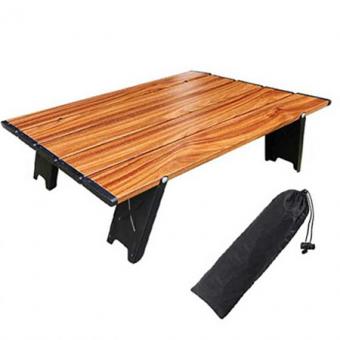
Brand: ANHUI FEISTEL FACTORY Relate Manufacturing: OEM & ODM Product: A lightweight, small, foldable picnic table perfect for outdoor activities. Made of durable materials, it's portable, easy to set up.
Brand: ANHUI FEISTEL FACTORY Relate Manufacturing: OEM & ODM Product: The custom lightweight metal iron foldable moon chair offers durable support and comfort, ideal for outdoor camping, with a compact, portable design for easy transport and storage.
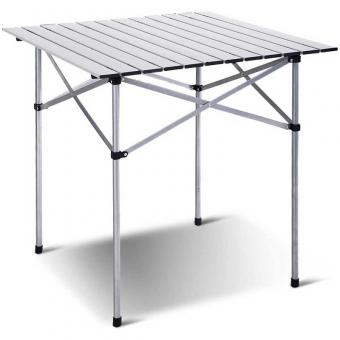
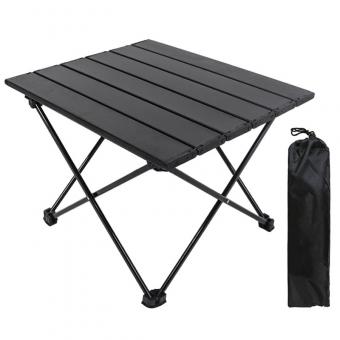
Brand: ANHUI FEISTEL FACTORY Relate Manufacturing: OEM & ODM Product: Compact and lightweight aluminum folding table, perfect for camping, beach, or outdoor activities. Easy to carry, sturdy, and ideal for holding food and drinks.
Brand: ANHUI FEISTEL FACTORY Relate Manufacturing: OEM & ODM Product: This camping foldable wooden lounge chair features a sturdy frame, ergonomic reclining design, and compact folding structure—perfect for relaxing at the beach, campsite, or backyard.
Brand: ANHUI FEISTEL FACTORY Relate Manufacturing: OEM & ODM Product: The hiking backpacking mini stool combines a durable Oxford fabric foldable design with a creative pencil case pocket, offering portability, comfort, and practicality for camping and outdoor adventures.
Brand: ANHUI FEISTEL FACTORY Relate Manufacturing: OEM & ODM Product: An outdoor ultralight single compact portable folding camping bed ideal for backpacking, featuring a durable frame, easy setup, and a convenient carry bag for travel.
Newsletter
Subscribe to our newsletter to receive news, updates, and special offers by email.