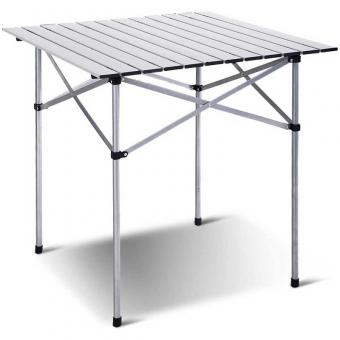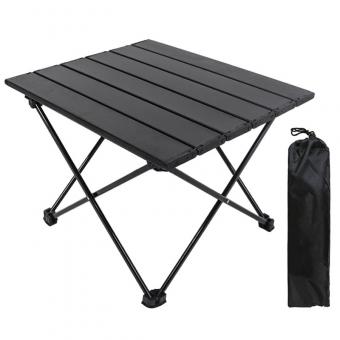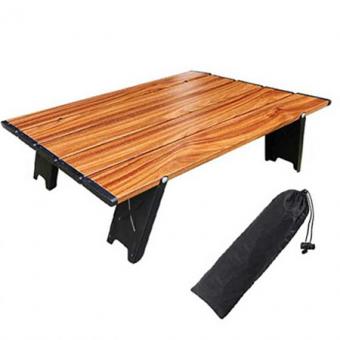
Brand: ANHUI FEISTEL FACTORY Relate Manufacturing: OEM & ODM Product: A lightweight, small, foldable picnic table perfect for outdoor activities. Made of durable materials, it's portable, easy to set up.
Neil welcome to our website !
learn moreWhen it comes to Nordic walking poles, many enthusiasts focus on the shaft material—carbon fiber or aluminum—while overlooking what is arguably the most critical component: the grip. As your primary point of contact with your poles, the grip material significantly influences comfort, control, and fatigue levels throughout your activity. Among the various options available, EVA foam, cork, and rubber have emerged as the three dominant grip materials, each with distinct characteristics that make them uniquely suited to particular walking styles and conditions.
This comprehensive guide will dissect the properties, advantages, and limitations of each grip material, empowering you to make an informed decision that enhances your Nordic walking experience.
Before delving into specific materials, it's essential to understand why grip selection warrants such careful consideration. During a typical Nordic walking session, your hands make thousands of micro-adjustments to your poles, transmitting force through the grips with each pole plant. The right grip material minimizes discomfort, prevents blisters, and maximizes power transfer efficiency.
Grip performance varies significantly across three key parameters: moisture management (how the material handles sweat and rain), temperature conduction (how hot or cold it feels to the touch), and vibration damping (how effectively it absorbs trail shock). Additionally, considerations like durability, weight, and environmental impact further distinguish these materials. Understanding these factors will help you align your grip choice with your personal priorities, whether you're a fitness-focused walker, a recreational user, or someone with specific physical considerations.
Natural cork grips consist of granules harvested from cork oak trees, typically bound with synthetic polymers to create a durable composite material. This sustainable approach utilizes bark that regenerates after harvesting, making it an eco-friendly option for environmentally conscious walkers. Unlike pre-molded alternatives, cork possesses unique adaptive qualities that improve with use.
Cork has maintained popularity for several compelling reasons:
Custom Moldability: Through repeated use and body heat exposure, cork gradually conforms to your hand shape, creating a personalized fit that minimizes pressure points. This custom formation enhances comfort during extended use and distributes pressure more evenly across the palm.
Effective Moisture Management: Cork naturally wicks moisture while maintaining friction when damp, striking an excellent balance between dry and wet performance. The material feels secure during sweaty ascents without becoming slippery like some synthetic alternatives.
Temperature Regulation: The material's low thermal conductivity means it feels neither freezing in cold conditions nor unpleasantly hot in direct sunlight. This temperature stability enhances barehand comfort across diverse environments.
Natural Vibration Damping: While less cushioning than EVA foam, cork provides sufficient shock absorption for most trail conditions, effectively filtering high-frequency vibrations from rough terrain.
Cork's unique characteristics come with some compromises:
Durability Variability: Cork quality significantly impacts longevity. Premium grips using high cork content resist degradation, while budget options with excessive binding agents may crumble over time.
Maintenance Requirements: Cork benefits from occasional cleaning to prevent oil and dirt accumulation that can degrade its natural properties. Simple soap-and-water cleaning typically suffices for maintenance.
Break-In Period: Unlike immediately comfortable alternatives, cork requires some breaking-in time before achieving its optimal customized form.
EVA (ethylene-vinyl acetate) foam is a closed-cell foam material that has gained significant popularity in the outdoor industry. This polymer blend consists of ethylene and vinyl acetate, creating a material known for its lightweight properties and exceptional cushioning capabilities. EVA grips typically feature a molded design that can incorporate ergonomic contours to match natural hand positioning.
EVA foam excels in several key areas that make it particularly appealing to active walkers:
Superior Sweat Management: EVA's moisture-wicking structure pulls perspiration away from the skin, maintaining a secure grip even during intense exertion. This non-slip performance in wet conditions makes it ideal for humid environments or sweaty-handed users .
Excellent Shock Absorption: The foam's cellular structure provides natural vibration damping, effectively reducing trail feedback before it reaches your joints. This translates to less arm and shoulder fatigue over long distances.
Temperature Neutrality: EVA maintains a relatively consistent feel across temperature variations. Unlike rubber, which can feel cold in winter, EVA remains comfortable in diverse conditions. Its thermal insulation properties also prevent excessive heat buildup in direct sun .
Lightweight Construction: As one of the lightest grip materials available, EVA appeals to weight-conscious walkers seeking to minimize overall equipment weight without sacrificing comfort.
Despite its many benefits, EVA foam presents some trade-offs:
Durability Concerns: The material's softness makes it susceptible to abrasion damage. While high-density formulations improve longevity, EVA typically shows wear faster than rubber or cork .
Compression Issues: Lower-quality EVA foam may develop permanent indentation over time, particularly where fingers apply consistent pressure. This gradual deformation can alter the grip feel but doesn't necessarily impair function .
Texture Limitations: The smooth surface of EVA provides less aggressive texture than rubber, which could be a consideration for technical terrain requiring maximum security.
Rubber grips represent the most traditional option, typically constructed from synthetic compounds. The material density and surface patterning vary significantly across products, with some featuring aggressive texturing for maximum security and others sporting smoother profiles for all-day comfort. This versatility in manufacturing makes rubber suitable for diverse applications.
Rubber maintains a market presence through several distinct strengths:
All-Weather Security: The material's slightly tacky surface provides confident grip in rainy conditions where other materials might slip. This reliable performance makes rubber a preferred choice for unpredictable weather.
Superior Durability: Rubber generally outlasts both cork and EVA in abrasion resistance, maintaining its structural integrity through years of hard use. This resilience makes it ideal for rough terrain and heavy users .
Excellent Shock Absorption: High-quality rubber compounds effectively dampen trail vibrations, particularly beneficial where joint preservation is paramount. Some rubber grips incorporate additional cushioning layers for enhanced impact reduction.
Secure Texture: Many rubber grips feature molded patterns that enhance security, an advantage for technical terrain requiring precise pole placement. This aggressive texture provides added confidence when supporting body weight.
Rubber's advantages come with notable compromises:
Sweat Accumulation: Unlike moisture-wicking alternatives, rubber can become slippery with perspiration during intense exertion in warm conditions. This limitation makes it less ideal for hot-weather walking or those with particularly sweaty hands.
Temperature Sensitivity: Rubber conducts temperature more readily than other materials, feeling colder in winter and potentially sticky in extreme heat. While not necessarily a dealbreaker, this characteristic may necessitate gloves in temperature extremes.
Weight Considerations: As the heaviest common grip material, rubber may disappoint enthusiasts prioritizing minimal equipment weight.
To facilitate informed decision-making, this direct comparison highlights key performance differences:
For dedicated Nordic walkers covering significant distance with proper technique, cork grips typically provide the optimal balance. Their custom moldability creates increasingly personalized comfort during extended sessions, while their effective moisture management maintains security during strenuous exertion. The natural vibration damping proves sufficient for most paved or packed trails while providing better energy transfer than more cushioned alternatives.
For weekend walkers and those prioritizing immediate comfort over long-term customization, EVA foam grips present compelling advantages. Their lightweight properties reduce overall pole weight, while their excellent sweat absorption maintains comfort during varied exertion levels. The material's natural shock absorption minimizes joint impact, particularly valuable for those with existing hand or wrist concerns.
For walkers regularly facing diverse weather conditions or rough trails, rubber grips offer undeniable benefits. Their superior abrasion resistance withstands rough handling, while their secure grip in wet conditions provides confidence during stream crossings, rainy sections, and unpredictable weather. While weight and sweat management present limitations, these trade-offs often prove acceptable for technical applications where security and longevity outweigh comfort considerations.
Walkers with specific physical considerations should tailor their grip selection accordingly:
Arthritis or Joint Sensitivity: Those with hand sensitivity might favor cork for its custom molding or EVA for its consistent cushioning.
Sweaty Hands: Those with excessive perspiration may prefer EVA or cork over rubber for their superior moisture management.
Temperature Sensitivity: Those particularly affected by cold should avoid rubber and consider cork or EVA for their temperature-neutral properties.
Proper maintenance extends functional lifespan and preserves performance across all materials:
Cork Grips: Wipe with damp cloth after salty or dirty use; occasionally condition with cork-specific products to maintain flexibility. Store away from direct heat sources that could dry the material.
EVA Foam: Clean with mild soap and water; avoid harsh chemicals that can break down foam cells. Periodically inspect for compression damage.
Rubber Grips: Clean with soap and water; occasionally apply rubber protectant to prevent UV degradation. Inspect for cracks or hardening that signal material breakdown.
All grips benefit from proper storage—avoiding extreme temperatures, direct sunlight, and compression against sharp objects that could deform or damage the materials.
The ideal Nordic walking pole grip material doesn't exist as an abstract concept—only as the perfect interface for your specific hands, walking style, and typical environments. Each material brings distinct advantages to the trail: cork offers adaptive customization and temperature-neutral performance; EVA foam delivers lightweight comfort and superior sweat management; rubber provides maximum durability and all-weather security.
By honestly assessing your primary use cases, personal physiology, and performance priorities, you can confidently select the grip material that will enhance your Nordic walking experience. Remember that the best poles disappear from your awareness during use, becoming natural extensions of your body that provide support without demanding attention. Whatever your choice, proper technique and regular maintenance will prove more valuable than any material selection alone. Your perfect grip awaits—ready to connect you more comfortably to the walking experience you love.
Performance Metric
Cork Grips
EVA Foam Grips
Rubber Grips
Moisture Management
Good wicking, secure when damp
Excellent wicking, secure when wet
Poor wicking, slippery when sweaty
Shock Absorption
Good vibration damping
Excellent vibration damping
Variable (good to excellent)
Durability
Good (with quality variation)
Moderate (prone to abrasion)
Excellent (long-lasting)
Weight
Light
Very light
Heavy
Temperature Feel
Warm in cold, cool in heat
Neutral across conditions
Cold in winter, can be sticky in heat
Grip Security
Very good (consistent dry/wet)
Good (excellent when wet)
Excellent (except when sweaty)
Break-in Period
Required for customization
None
None
Application-Based Recommendations
Fitness and Performance Walking
Recreational and Casual Use
Technical Terrain and Variable Conditions
Special Physiological Needs
Maintenance and Care for Longevity
Conclusion: Finding Your Perfect Match
Categories
New Blog
Brand: ANHUI FEISTEL FACTORY Relate Manufacturing: OEM & ODM Product: A lightweight, small, foldable picnic table perfect for outdoor activities. Made of durable materials, it's portable, easy to set up.
Brand: ANHUI FEISTEL FACTORY Relate Manufacturing: OEM & ODM Product: The custom lightweight metal iron foldable moon chair offers durable support and comfort, ideal for outdoor camping, with a compact, portable design for easy transport and storage.
Brand: ANHUI FEISTEL FACTORY Relate Manufacturing: OEM & ODM Product: Outdoor Portable Folding Roll Up Picnic Table: Lightweight, durable aluminum design with adjustable height, easy setup, and compact carry bag for camping, picnics, and outdoor activities.
Brand: ANHUI FEISTEL FACTORY Relate Manufacturing: OEM & ODM Product: A versatile, portable IGT BBQ camping table with adjustable height legs. Ideal for outdoor cooking, camping, and picnics. Lightweight and foldable for easy transport.
Brand: ANHUI FEISTEL FACTORY Relate Manufacturing: OEM & ODM Product: Compact and lightweight aluminum folding table, perfect for camping, beach, or outdoor activities. Easy to carry, sturdy, and ideal for holding food and drinks.
Brand: ANHUI FEISTEL FACTORY Relate Manufacturing: OEM & ODM Product: This camping foldable wooden lounge chair features a sturdy frame, ergonomic reclining design, and compact folding structure—perfect for relaxing at the beach, campsite, or backyard.
Brand: ANHUI FEISTEL FACTORY Relate Manufacturing: OEM & ODM Product: This Outdoor Folding Aluminum Frame Camping Chair features an adjustable backrest, lightweight yet sturdy design, offering portable comfort for camping, beach trips, picnics, and outdoor relaxation.
Brand: ANHUI FEISTEL FACTORY Relate Manufacturing: OEM & ODM Product: The hiking backpacking mini stool combines a durable Oxford fabric foldable design with a creative pencil case pocket, offering portability, comfort, and practicality for camping and outdoor adventures.
Brand: ANHUI FEISTEL FACTORY Relate Manufacturing: OEM & ODM Product: The wholesale hiking equipment travel sleeping bed is an adjustable-height folding camping cot offering sturdy support, easy portability, and comfortable rest for outdoor adventures.
Brand: ANHUI FEISTEL FACTORY Relate Manufacturing: OEM & ODM Product: An outdoor ultralight single compact portable folding camping bed ideal for backpacking, featuring a durable frame, easy setup, and a convenient carry bag for travel.
LET’S STAY CONNECTED :