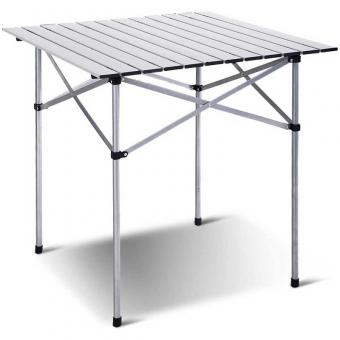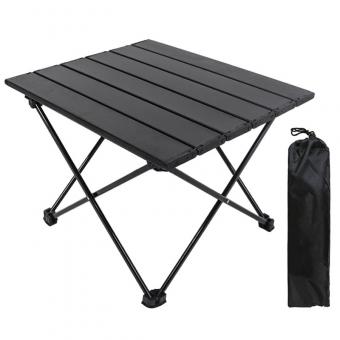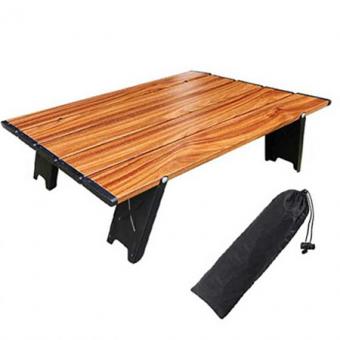
Brand: ANHUI FEISTEL FACTORY Relate Manufacturing: OEM & ODM Product: A lightweight, small, foldable picnic table perfect for outdoor activities. Made of durable materials, it's portable, easy to set up.
Neil welcome to our website !
learn more
A day at the beach should be about relaxation, not battling sand that clings to every surface. Enter the pocket beach blanket—an ultra-compact, sand-resistant marvel that folds down to the size of a smartphone. But with options made from nylon, polyester, and microfiber flooding the market, how do you choose?
This comprehensive guide decodes the differences between these three materials, helping you select the perfect pocket beach blanket for your coastal adventures.
Before diving into material comparisons, it's worth understanding what defines a pocket beach blanket. These innovative outdoor essentials are characterized by their ultra-compact portability—they fold or roll into an attached storage bag small enough to fit in a pocket, purse, or backpack .
The Pike Trail Pocket Beach Blanket, for example, measures a spacious 60×56 inches when unfolded but compresses into a pocket-sized carry bag weighing just 7 ounces . Similarly, some ultra-lightweight models weigh as little as 3 ounces (85g) and fold smaller than half a smartphone .
Beyond portability, pocket beach blankets prioritize three key performance features:
Sand resistance: Tightly woven fabrics that sand cannot penetrate
Quick-drying: Materials that shed moisture rapidly
Durability: Fabrics that withstand sand, sun, and repeated use
Nylon has become a favorite material for premium pocket beach blankets, and for good reason.
Exceptional Durability: High-quality nylon, particularly rip-stop nylon, offers outstanding tear and puncture resistance . The Pike Trail blanket uses "100% rip-stop nylon" with a woven grid pattern that prevents tears from spreading . This makes nylon blankets ideal for rocky beaches or rough terrain.
Ultra-Lightweight: Nylon's strength-to-weight ratio is impressive. The ANJ Pocket Blanket weighs only 3 ounces (85g) while providing ample space for 2-4 people . WolfWise's 40D parachute nylon blanket weighs just 499 grams for a massive 210×270cm size .
Sand Resistance: High-density nylon fabric is naturally sand-free. Users report that sand and small stones simply brush off—"a shake is all it needed" . The tight weave prevents particles from embedding in the fabric.
Water Resistance: Many nylon pocket blankets feature additional waterproof coatings. The Pike Trail includes a PU (polyurethane) waterproof layer that keeps users dry on damp sand . All4Hiking's 300T ripstop nylon undergoes an "extra calendaring procedure" to increase density for better waterproofing .
Compact Packability: Nylon compresses exceptionally well. The All4Hiking blanket folds into an integrated storage pouch "smaller and lighter than just half of your smart phone" .
Nylon can feel thinner than other materials—some users note it provides minimal cushioning on its own . It's best used as a protective barrier with chairs or towels on top for comfort.
Nylon pocket blankets excel for:
Backpacking and hiking where weight matters most
Rocky or uneven terrain requiring puncture resistance
Travelers needing maximum packability
Windy conditions (many include corner stakes or sand pockets)
Polyester is a common choice for pocket beach blankets, offering a balanced combination of durability and affordability.
Excellent Durability: Polyester exhibits strong abrasion resistance, making it suitable for repeated beach use where sand acts as a natural abrasive . It withstands frequent washing without losing structural integrity.
UV Resistance: One of polyester's standout advantages is its resistance to ultraviolet radiation . This makes it particularly suitable for blankets that spend hours under intense sun exposure.
Quick-Drying: Polyester's moisture-wicking properties allow it to dry rapidly after ocean dips . The Ovela Sand Free Beach Blanket, made from polyester and polyamide, dries "three times faster than cotton" .
Sand Resistance: Tightly woven polyester creates a surface that sand particles cannot easily penetrate. The Ovela blanket's fabric is specifically "designed to resist sand, dry quickly and offer unbeatable comfort" .
Size Versatility: Polyester blankets come in various dimensions. The Ovela measures 160×160cm (830g) , while other options accommodate groups of various sizes.
Polyester can retain odors if not treated with antimicrobial finishes . On scorching days, dark-colored polyester blankets may become uncomfortably hot.
Polyester pocket blankets suit:
Family outings requiring durability
Frequent beach trips with intense sun exposure
Budget-conscious buyers seeking good value
Situations where UV protection matters
Microfiber isn't a single material but rather a construction technique using ultra-fine fibers—typically polyester, polyamide (nylon), or blends of both. This category deserves special attention for beach blanket applications.
Microfiber consists of fibers finer than one denier, approximately 1/100th the diameter of a human hair . This ultra-fine structure creates unique properties:
Exceptional Softness: The fine filaments create a luxuriously soft surface that feels comfortable against skin . LaBlanc's microfiber blanket is described as "super soft, stretchy, breathable, skin-friendly" .
Superior Absorbency: Microfiber's high surface area enables it to absorb up to seven times its weight in water . This makes microfiber blankets excellent for drying off after swimming while still providing a comfortable lounging surface.
Sand Resistance: The dense weave creates a barrier that sand particles cannot penetrate. Combined with the fibers' smooth surface, sand shakes off effortlessly .
Quick-Drying: Microfiber dries significantly faster than cotton. The Ovela blanket dries "three times faster than cotton" due to its smoother, thinner construction .
Compact Portability: Microfiber blankets pack down remarkably small. The LaBlanc blanket weighs just 0.52 kg and rolls up for easy transport .
Many high-performance blankets use polyester/polyamide blends to combine strengths . The Ovela blanket specifically notes its fabric is "made from polyester and polyamide" to achieve optimal sand resistance and quick-drying performance .
This hybrid approach offers:
The durability and UV resistance of polyester
The softness and elasticity of polyamide
Enhanced stain and moisture resistance
Microfiber blankets excel for:
Travelers who value comfort and packability
Families with children who appreciate softness
All-day beach lounging where comfort matters
Situations requiring both absorbency and sand resistance
Property
Nylon
Polyester
Microfiber (Typical Blend)
Sand Resistance
Excellent - high-density weave repels sand
Good - tightly woven surfaces prevent penetration
Excellent - ultra-fine fibers block particles
Durability
Very High - rip-stop construction resists tears
High - excellent abrasion resistance
High - depends on blend and construction
UV Resistance
Good - can degrade with prolonged exposure
Excellent - minimal sun damage
Good - polyester component provides UV protection
Softness
Good - smooth but can feel technical
Good - can feel slightly synthetic
Excellent - ultra-fine fibers create luxurious texture
Absorbency
Low - water beads on surface
Low to Moderate
Very High - up to 7× weight
Drying Time
Very Fast
Fast
Fast
Weight
Ultra-lightweight (3-7 oz)
Lightweight to Moderate
Lightweight (0.5-1 kg)
Packed Size
Most compact
Compact
Compact
Cost
Mid-range to Premium
Affordable to Mid-range
Mid-range
Best Use Case
Backpacking, technical terrain
Family beach trips, sun exposure
Comfort-focused lounging, travel
Beyond the base material, several design features significantly improve pocket beach blanket functionality:
Many pocket blankets incorporate PU (polyurethane) coatings or laminates for moisture protection. The Pike Trail blanket features a "waterproof polyurethane coating" that keeps users dry on wet sand . This is essential for beach use where sand is often damp.
Windy beach days demand secure anchoring. Premium pocket blankets include:
Weighted corners: The ANJ blanket features four weighted corners that eliminate the need for stakes, even on hard surfaces
Corner loops with stakes: WolfWise includes attachment loops and four stakes to secure the blanket
Sand pockets: Some designs allow filling corners with sand for natural anchoring
The hallmark of a pocket blanket is its built-in storage. Quality designs feature:
Durability depends on construction quality. Look for reinforced corners where stress is highest during anchoring and unfolding .
Weight is your primary concern (backpacking, hiking)
You need maximum tear and puncture resistance
You frequent rocky beaches or rough terrain
You prioritize UV resistance and sun durability
Budget is a primary consideration
You need a balance of durability and affordability
Comfort and softness are top priorities
You want absorbency for drying off after swimming
You appreciate luxurious texture against skin
To maximize your pocket beach blanket's lifespan:
After Each Use: Shake vigorously to remove sand. Rinse with fresh water to remove salt and minerals .
Washing: Most nylon, polyester, and microfiber blankets are machine washable. Use cold water, gentle cycle, and mild detergent. Avoid fabric softeners and bleach .
Drying: Air dry or tumble dry on low heat. High heat can damage waterproof coatings. Some microfiber blankets should not be ironed .
Storage: Store completely dry in a cool, dry place. The integrated storage pouch protects the blanket between uses .
The perfect pocket beach blanket exists for every beach lover—the key lies in matching material properties to your personal priorities.
Nylon delivers unmatched lightweight durability and packability for adventurers who count every gram. Polyester offers reliable UV resistance and value for families seeking long-term performance. Microfiber provides luxurious comfort and absorbency for those who prioritize the lounging experience.
Whichever you choose, understanding these material differences empowers you to select a pocket beach blanket that will serve you faithfully through countless sandy adventures—folding down to nothing while opening up a world of coastal comfort.
Categories
New Blog
Brand: ANHUI FEISTEL FACTORY Relate Manufacturing: OEM & ODM Product: A lightweight, small, foldable picnic table perfect for outdoor activities. Made of durable materials, it's portable, easy to set up.
Brand: ANHUI FEISTEL FACTORY Relate Manufacturing: OEM & ODM Product: The custom lightweight metal iron foldable moon chair offers durable support and comfort, ideal for outdoor camping, with a compact, portable design for easy transport and storage.
Brand: ANHUI FEISTEL FACTORY Relate Manufacturing: OEM & ODM Product: Outdoor Portable Folding Roll Up Picnic Table: Lightweight, durable aluminum design with adjustable height, easy setup, and compact carry bag for camping, picnics, and outdoor activities.
Brand: ANHUI FEISTEL FACTORY Relate Manufacturing: OEM & ODM Product: A versatile, portable IGT BBQ camping table with adjustable height legs. Ideal for outdoor cooking, camping, and picnics. Lightweight and foldable for easy transport.
Brand: ANHUI FEISTEL FACTORY Relate Manufacturing: OEM & ODM Product: Compact and lightweight aluminum folding table, perfect for camping, beach, or outdoor activities. Easy to carry, sturdy, and ideal for holding food and drinks.
Brand: ANHUI FEISTEL FACTORY Relate Manufacturing: OEM & ODM Product: This camping foldable wooden lounge chair features a sturdy frame, ergonomic reclining design, and compact folding structure—perfect for relaxing at the beach, campsite, or backyard.
Brand: ANHUI FEISTEL FACTORY Relate Manufacturing: OEM & ODM Product: This Outdoor Folding Aluminum Frame Camping Chair features an adjustable backrest, lightweight yet sturdy design, offering portable comfort for camping, beach trips, picnics, and outdoor relaxation.
Brand: ANHUI FEISTEL FACTORY Relate Manufacturing: OEM & ODM Product: The hiking backpacking mini stool combines a durable Oxford fabric foldable design with a creative pencil case pocket, offering portability, comfort, and practicality for camping and outdoor adventures.
Brand: ANHUI FEISTEL FACTORY Relate Manufacturing: OEM & ODM Product: The wholesale hiking equipment travel sleeping bed is an adjustable-height folding camping cot offering sturdy support, easy portability, and comfortable rest for outdoor adventures.
Brand: ANHUI FEISTEL FACTORY Relate Manufacturing: OEM & ODM Product: An outdoor ultralight single compact portable folding camping bed ideal for backpacking, featuring a durable frame, easy setup, and a convenient carry bag for travel.
LET’S STAY CONNECTED :