Waterproof vs. Water-Resistant: Finding the Right Camping Blanket for Damp Weather2025-12-18
Few things dampen the camping spirit faster than settling down for a cool evening, only to find your cozy blanket has become cold, clammy, and ineffective against the moisture in the air or on the ground. Choosing the right protection against dampness is crucial, and it all starts with understanding a critical distinction: waterproof versus water-resistant. These terms are not interchangeable; they represent fundamentally different levels of protection, material technologies, and ideal use cases. Selecting the wrong one can lead to discomfort or even a safety risk.
This guide will demystify these labels, explore the technologies behind them, and provide a clear framework to help you choose the perfect camping blanket for your adventures in humid, dewy, or drizzly conditions.
Decoding the Labels: A Technical Foundation
At its core, the difference lies in hydrostatic head (HH) rating, a laboratory measurement of how much water pressure a fabric can withstand before it leaks. This is the key metric that separates the categories.
Water-Resistant (Water-Repellent): The First Line of Defense
Definition: A water-resistant fabric has been treated or constructed to resist the penetration of water to some degree, but not entirely prevent it. Think of it as a shield against light, brief moisture.
Hydrostatic Head: Typically rated below 1,500 mm. It might handle light drizzle, morning dew, or a spilled drink for a short time.
How It Works: This is often achieved through a Durable Water Repellent (DWR) coating. DWR is a topical treatment applied to the outer fabric that causes water to bead up and roll off the surface rather than soak in. It's important to note that DWR can wear off over time with abrasion, dirt, and washings, but it can often be renewed with heat (like a tumble dry) or reapplied with a spray-on treatment.
The "Breathability" Advantage: Because water-resistant fabrics aren't fully sealed, they typically offer much better air permeability and moisture vapor transmission. This allows your body heat and sweat vapor to escape, preventing that clammy, trapped feeling during active use or moderate temperatures.
Waterproof: The Impermeable Barrier
Definition: A waterproof fabric is designed to form an impenetrable barrier against water, preventing it from passing through under specific conditions, even during sustained exposure.
Hydrostatic Head: Generally starts at 1,500 mm and goes up to 10,000 mm or more for heavy-duty gear. A rating of 3,000 mm is considered solid for general outdoor use, capable of handling prolonged rain.
How It Works: This involves a continuous, impermeable membrane or coating. Common technologies include:
Laminates: Like ePTFE membranes (e.g., the classic Gore-Tex) or PU (Polyurethane) membranes. These are microscopic films laminated to the inner surface of the fabric. They have pores small enough to block liquid water but large enough to allow vapor molecules (sweat) to pass through—the ideal combination.
Coatings: A layer of PU or PVC applied to the inside of the fabric. Coatings are often less expensive but can be less breathable and may degrade faster with flexing.
The Sealed Seams: A truly waterproof product must have taped or sealed seams. Stitching creates tiny holes in the fabric; if these aren't covered with a waterproof tape, water will leak through, rendering the membrane useless.
Material Showdown: From Wool to High-Tech Synthetics
The base fabric plays an equally important role in performance and feel. Here are the most common types used in camping blankets:
Material
Water Resistance
Key Properties
Best For
Wool (Merino)
Naturally water-resistant & moisture-wicking
Temperature regulation, odor-resistant, warm when wet, biodegradable.
Cool, damp conditions where breathability is key; backpacking, hiking.
Polyester Fleece
Low (absorbs water) but dries quickly
Lightweight, quick-drying, affordable, soft.
Dry conditions or as a mid-layer; casual car camping.
Nylon
Often has a DWR finish for water-resistance
Highly durable, lightweight, packs small.
The outer shell of many waterproof/breathable blankets; all-around use.
Polyester (Ripstop)
Takes DWR treatments well
Rip-resistant, good strength-to-weight ratio.
The facing fabric for insulated blankets; durable general use.
Synthetic Insulation (PrimaLoft®)
Hydrophobic (fibers resist water)
Retains loft and warmth when damp, quick-drying.
The core filling in blankets for damp, cold weather; ultimate damp-weather warmth.
The Damp-Weather Champion: For genuinely wet conditions, the winning combination is a waterproof/breathable outer shell (like a laminated nylon) filled with synthetic, hydrophobic insulation (like PrimaLoft®). This setup ensures external moisture stays out while internal vapor escapes, and the insulation won't collapse if it gets damp.
Choosing Your Shield: A Scenario-Based Guide
Your activity and the forecast should drive your choice. Ask these questions:
What is the primary moisture source?
Ground Dampness, Heavy Dew, Intermittent Sprinkles: A high-quality water-resistant blanket with a robust DWR and a synthetic-filled interior is often sufficient. It will bead off moisture and dry quickly if dampened.
Steady Rain, Wet Snow, Prolonged Exposure: You need a waterproof blanket. Look for a stated waterproof rating (e.g., "3,000 mm") and taped seams.
How will you be using it?
Static Use (Sitting by camp, sleeping): Breathability is less critical. A waterproof blanket provides guaranteed protection. A coated version may suffice.
Active Use (Wrapped while hiking, around a campfire):Breathability becomes paramount to avoid sweat buildup. A waterproof/breathable laminate (Gore-Tex, etc.) or a highly breathable water-resistant fabric is best.
What are the temperature conditions?
Cool & Damp: Prioritize warmth retention when damp. Wool or synthetic insulation is ideal. A water-resistant shell may pair perfectly.
Warm & Humid: Prioritize breathability and quick-dry capability. A lightweight, water-resistant blanket or a highly breathable waterproof one is key to avoid condensation.
Decision Matrix: Which Blanket for Which Adventure?
Your Camping Scenario
Recommended Protection
Why & Key Features
Summer Car Camping (potential for evening dew, light showers)
Water-Resistant
Handles typical moisture, is more breathable for warmer nights, and is often more affordable. Look for a tight weave and DWR finish.
Backpacking in Variable Conditions
Water-Resistant or Lightweight Waterproof
Weight and packability are key. A premium water-resistant blanket with synthetic fill is versatile. For known wet climates, a ultralight waterproof/breathable shell blanket is a safe bet.
Festivals, Beach, Picnics (damp grass, sand)
Water-Resistant
Perfect for ground dampness and spills. Easy to shake off and pack. Polyester or nylon shells clean easily.
Cold-Weather & Snow Camping
Waterproof/Breathable
Must block melting snow and sleet. Taped seams are non-negotiable. Fill must be hydrophobic synthetic insulation to maintain warmth in a humid microclimate.
Emergency/Survival Kit in Vehicle
Waterproof
Must perform in worst-case scenarios without question. Durability and guaranteed protection trump breathability. A coated nylon blanket is ideal here.
Beyond the Label: Care and Performance Maintenance
Your blanket's performance depends on proper care.
Cleaning Water-Resistant Blankets: Use a technical cleaner designed for DWR fabrics. Avoid standard detergents and fabric softeners, which can clog fibers and strip the DWR. Wash gently and rinse thoroughly.
Rejuvenating DWR: If water stops beading and starts soaking in, tumble dry on low heat. The heat can reactivate the DWR. If that fails, apply a DWR spray-on treatment.
Cleaning Waterproof Blankets: Follow the same cleaning rules. Importantly, never use fabric softener on a waterproof laminate, as it will coat the membrane and destroy its breathability.
Storage: Always store your blanket clean, dry, and loosely—not compressed in its stuff sack long-term. This preserves the loft of insulation and the integrity of coatings and laminates.
The Final Verdict: Making an Informed Choice
There is no single "best" blanket, only the best one for your specific need. Let's distill the choice down to its essence:
Choose a Water-Resistant Camping Blanket if:
Your main concerns are dew, damp grass, humidity, and light, passing showers.
You prioritize breathability and comfort during active use or in milder climates.
You want a more versatile, packable, and often more affordable option for general three-season use.
Choose a Waterproof Camping Blanket if:
You are expecting rain, wet snow, or will be in sustained wet conditions.
You need guaranteed protection for static use (like sleeping or sitting) in a downpour.
You are venturing into cold, wet environments where getting wet poses a safety risk.
Pro-Tip for the Uncertain: If your adventures are unpredictable, consider a two-system approach. A highly breathable, warm, water-resistant blanket (like a Merino wool or synthetic-filled one) can be paired with an ultralight waterproof shell blanket or even a simple emergency poncho. This gives you modular flexibility to adapt to conditions.
By understanding the technology, honestly assessing your typical camping environment, and properly maintaining your gear, you can confidently select a camping blanket that won't just keep you warm, but will reliably keep you dry, turning damp weather from a nuisance into just another part of the adventure.
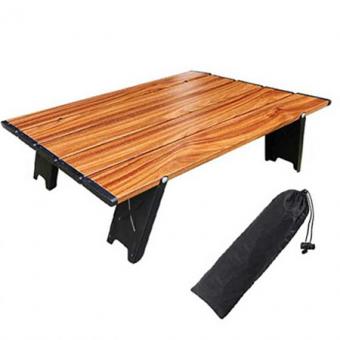
Brand: ANHUI FEISTEL FACTORY Relate Manufacturing: OEM & ODM Product: A lightweight, small, foldable picnic table perfect for outdoor activities. Made of durable materials, it's portable, easy to set up.
Brand: ANHUI FEISTEL FACTORY Relate Manufacturing: OEM & ODM Product: The custom lightweight metal iron foldable moon chair offers durable support and comfort, ideal for outdoor camping, with a compact, portable design for easy transport and storage.
Brand: ANHUI FEISTEL FACTORY Relate Manufacturing: OEM & ODM Product: The hiking backpacking mini stool combines a durable Oxford fabric foldable design with a creative pencil case pocket, offering portability, comfort, and practicality for camping and outdoor adventures.
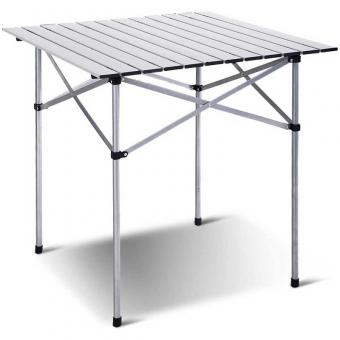
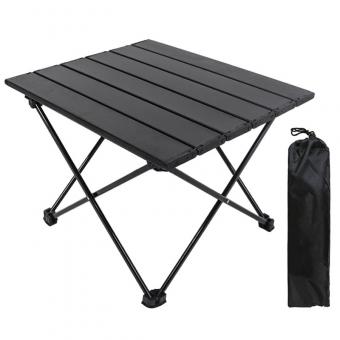
Brand: ANHUI FEISTEL FACTORY Relate Manufacturing: OEM & ODM Product: Compact and lightweight aluminum folding table, perfect for camping, beach, or outdoor activities. Easy to carry, sturdy, and ideal for holding food and drinks.
Brand: ANHUI FEISTEL FACTORY Relate Manufacturing: OEM & ODM Product: This camping foldable wooden lounge chair features a sturdy frame, ergonomic reclining design, and compact folding structure—perfect for relaxing at the beach, campsite, or backyard.
Brand: ANHUI FEISTEL FACTORY Relate Manufacturing: OEM & ODM Product: An outdoor ultralight single compact portable folding camping bed ideal for backpacking, featuring a durable frame, easy setup, and a convenient carry bag for travel.
Newsletter
Subscribe to our newsletter to receive news, updates, and special offers by email.