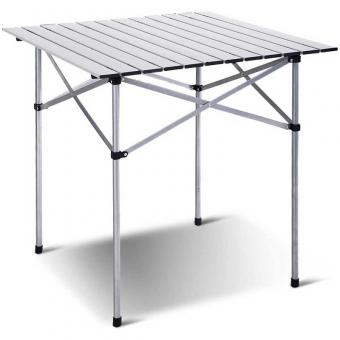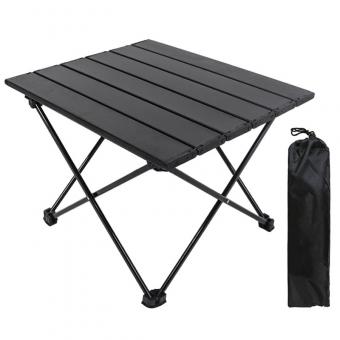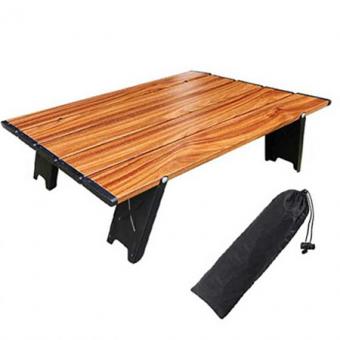
Brand: ANHUI FEISTEL FACTORY Relate Manufacturing: OEM & ODM Product: A lightweight, small, foldable picnic table perfect for outdoor activities. Made of durable materials, it's portable, easy to set up.
Neil welcome to our website !
learn moreWhen selecting a camping hammock, the choice of fabric is the single most critical decision affecting its performance, comfort, and lifespan. In a market saturated with technical terms and material claims, one specification consistently stands out for delivering the ideal balance of strength, weight, and reliability: 210D nylon. The "D" stands for Denier, a unit measuring the linear mass density of fibers, indicating the thickness and density of the yarns used in the fabric. A 210D nylon fabric represents a sweet spot in outdoor textiles, offering a level of durability that has made it the industry-preferred material for serious backpackers, thru-hikers, and outdoor enthusiasts worldwide.
But what does this technical specification truly mean for your outdoor experience? Beyond the numbers, 210D nylon delivers a combination of high tensile strength, exceptional tear resistance, and manageable pack weight that outperforms both lighter and heavier alternatives in real-world conditions. This article decodes the science and performance behind this ubiquitous material, explaining why it has become the undisputed top choice for camping hammocks designed to last.
To appreciate why 210D nylon excels, one must first understand the language of fabric strength. The Denier (D) system measures the weight in grams of 9,000 meters of a single fiber. A lower denier number (like 30D or 70D) indicates finer, lighter, and often more delicate threads, resulting in a softer, more packable fabric. A higher denier (like 420D or 600D) signifies thicker, heavier yarns, creating a more robust and abrasion-resistant material.
However, the relationship between denier and performance is not linear. It's a careful balancing act between durability, weight, and comfort. For camping hammocks, this balance is paramount. The fabric must be strong enough to support a person's weight safely, resist abrasion from backpack buckles or rough bark, and withstand the multidirectional stresses of entering, exiting, and shifting during sleep. Simultaneously, it must be light enough to carry for miles and comfortable enough to sleep on for hours.
This is where 210D nylon enters as the optimal solution. It utilizes yarns thick enough to provide substantial structural integrity and puncture resistance, yet fine enough to maintain a flexible, conforming feel against the skin. Its weight is substantial enough to instill confidence without being punitive in a backpack. This mid-range denier is the engineering compromise that best serves the complex demands of a suspended shelter.
Ultralight hammocks often employ 30D or 70D nylon to achieve remarkable pack sizes and weights. While impressive for gram-counters, these fabrics make significant sacrifices in durability. The finer threads are more susceptible to abrasion damage from seemingly minor contact with zippers, buttons, or even fingernails. Their load capacity is lower, offering less margin for error or dynamic movement. For the occasional, gentle user on meticulously clean sites, they suffice. For general camping, where the ground may be uneven and gear is not always perfectly clean, they represent a durability risk. 210D nylon provides a massive increase in abrasion resistance and peace of mind for a modest weight penalty, making it the logical choice for reliable, all-purpose use.
At the other extreme, heavy-duty hammocks may use 420D or even 600D fabrics. These are incredibly tough, often found in gear haulers or tactical equipment. However, for a hammock, this excessive strength becomes a drawback. The high denier count creates a stiff, board-like fabric that is uncomfortable to lie in, failing to provide the flexible, "cocooning" comfort that makes hammocks enjoyable. The weight increase is substantial, contradicting the goal of a portable sleep system. The 210D nylon offers 95% of the real-world durability of these heavier fabrics for half the weight and vastly superior comfort, striking the perfect functional balance.
Traditional hammocks made from cotton or canvas are heavy, absorbent, and slow to dry. They are prone to mildew, rot, and significant weight gain when wet, making them unsuitable for backpacking. Modern 210D nylon is almost always treated with a silicone-impregnation or polyurethane coating to achieve hydrophobic properties, causing water to bead up and roll off. This weather resistance is crucial for outdoor use, where morning dew or a surprise rain shower shouldn’t ruin your shelter or add pounds to your pack.
The paramount advantage of 210D nylon is its exceptional strength-to-weight ratio. This engineering principle measures how much load a material can bear relative to its own weight. Nylon, as a synthetic polymer, has an inherently high strength for its density. When woven into a 210D fabric, the resulting material can typically support well over 400 pounds (181 kg) in a hammock application, while the hammock body itself often weighs less than 24 ounces (680 grams). This means you are carrying minimal weight for a maximum safety margin, a non-negotiable priority for both safety and comfort in the backcountry.
Hammock fabrics don’t just bear static weight; they face dynamic stresses. The ripstop weaving pattern integrated into most quality 210D nylons is a key feature. This technique weaves thicker reinforcement threads in a crosshatch grid at regular intervals. If a small puncture or tear occurs, the ripstop threads confine the damage to a single square within the grid, preventing a catastrophic failure that could split the entire hammock. This tear resistance is a critical safety feature. Furthermore, the thickness of the 210D yarns provides innate abrasion resistance against rough tree bark, backpack hardware, and the general wear and tear of packing and unpacking.
A practical camping hammock must handle moisture effectively. As mentioned, 210D nylon fabrics are chemically treated to be water-resistant. This hydrophobic treatment not only keeps you drier but also gives the fabric its quick-drying characteristic. Unlike absorbent natural fibers, nylon does not hold water in its threads. After a rain, moisture on the surface can be shaken off or will evaporate rapidly. This is essential for preventing the growth of mold and mildew, ensuring your shelter remains hygienic and odor-free over many seasons of use. This combination of weatherproofing and moisture management is foundational to the material's longevity.
Durability isn't just about not breaking; it's about maintaining performance over time. Comfort is a performance metric for a hammock. 210D nylon possesses a natural flexibility and slight stretch (owing to nylon's elastic recovery) that allows it to conform to the user's body. This creates the ergonomic, pressure-relieving "sweet spot" that delivers a flat lay diagonal to the hammock's axis. Heavier fabrics lack this forgiving flex, while lighter fabrics can feel unsettlingly delicate. The 210D fabric provides a sense of secure, cushioned support that is crucial for a good night's sleep.
When shopping for a 210D nylon hammock, understanding the full specification list ensures you get a quality product:
Fabric Weight: Typically between 6.5 to 7.5 ounces per square yard. This is the sweet spot for durability-to-weight.
Load Capacity: Always check the manufacturer's rated limit. A well-made 210D hammock should have a static load rating of 350-500+ pounds, accounting for the safety margin needed for entering/exiting and shifting.
Coating Type: Look for terms like silicone-impregnated or polyurethane (PU) coated. Silicone treatments offer superior water repellency and a softer hand feel, while PU coatings are highly durable and provide excellent UV resistance.
Weave & Finish: Ripstop weave is essential. A calendared finish (where the fabric is passed through hot rollers) smooths the surface, improving wind resistance and water bead-up.
Thread Count and Weave Density: While not always advertised, a tighter weave within the 210D specification generally indicates better wind resistance and downproof qualities (relevant if using an underquilt).
For the majority of campers—from weekend warriors to seasoned backpackers—a hammock made from 210D nylon represents the most intelligent, reliable choice. It transcends being a mere material specification; it is a performance guarantee.
It offers sufficient durability to withstand years of use on diverse terrain, from state park campgrounds to remote backcountry sites. It provides adequate strength to safely support users of varying sizes with a reassuring safety factor. It maintains a reasonable pack weight and size, fitting easily into a backpack without dominating its capacity. And ultimately, it delivers consistent comfort, forming the durable, trustworthy foundation for countless nights of rest under the stars.
While specialized use cases exist for both ultralight and ultra-heavyweight fabrics, 210D nylon occupies the broad, optimal center. It decodes the dilemma of choice by offering the best of all worlds: robust but not bulky, reliable but not overbuilt, comfortable but not fragile. In the quest for a camping hammock that you can buy with confidence and use for years, the specification is clear: 210D nylon. It’s the top choice not by marketing hype, but by the uncompromising logic of material science and real-world performance.
Categories
New Blog
Brand: ANHUI FEISTEL FACTORY Relate Manufacturing: OEM & ODM Product: A lightweight, small, foldable picnic table perfect for outdoor activities. Made of durable materials, it's portable, easy to set up.
Brand: ANHUI FEISTEL FACTORY Relate Manufacturing: OEM & ODM Product: The custom lightweight metal iron foldable moon chair offers durable support and comfort, ideal for outdoor camping, with a compact, portable design for easy transport and storage.
Brand: ANHUI FEISTEL FACTORY Relate Manufacturing: OEM & ODM Product: Outdoor Portable Folding Roll Up Picnic Table: Lightweight, durable aluminum design with adjustable height, easy setup, and compact carry bag for camping, picnics, and outdoor activities.
Brand: ANHUI FEISTEL FACTORY Relate Manufacturing: OEM & ODM Product: A versatile, portable IGT BBQ camping table with adjustable height legs. Ideal for outdoor cooking, camping, and picnics. Lightweight and foldable for easy transport.
Brand: ANHUI FEISTEL FACTORY Relate Manufacturing: OEM & ODM Product: Compact and lightweight aluminum folding table, perfect for camping, beach, or outdoor activities. Easy to carry, sturdy, and ideal for holding food and drinks.
Brand: ANHUI FEISTEL FACTORY Relate Manufacturing: OEM & ODM Product: This camping foldable wooden lounge chair features a sturdy frame, ergonomic reclining design, and compact folding structure—perfect for relaxing at the beach, campsite, or backyard.
Brand: ANHUI FEISTEL FACTORY Relate Manufacturing: OEM & ODM Product: This Outdoor Folding Aluminum Frame Camping Chair features an adjustable backrest, lightweight yet sturdy design, offering portable comfort for camping, beach trips, picnics, and outdoor relaxation.
Brand: ANHUI FEISTEL FACTORY Relate Manufacturing: OEM & ODM Product: The hiking backpacking mini stool combines a durable Oxford fabric foldable design with a creative pencil case pocket, offering portability, comfort, and practicality for camping and outdoor adventures.
Brand: ANHUI FEISTEL FACTORY Relate Manufacturing: OEM & ODM Product: The wholesale hiking equipment travel sleeping bed is an adjustable-height folding camping cot offering sturdy support, easy portability, and comfortable rest for outdoor adventures.
Brand: ANHUI FEISTEL FACTORY Relate Manufacturing: OEM & ODM Product: An outdoor ultralight single compact portable folding camping bed ideal for backpacking, featuring a durable frame, easy setup, and a convenient carry bag for travel.
LET’S STAY CONNECTED :