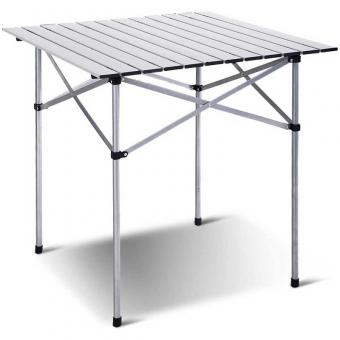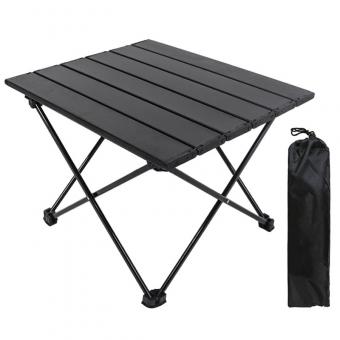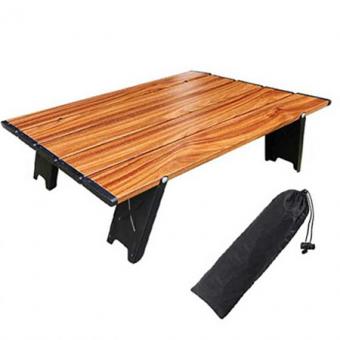
Brand: ANHUI FEISTEL FACTORY Relate Manufacturing: OEM & ODM Product: A lightweight, small, foldable picnic table perfect for outdoor activities. Made of durable materials, it's portable, easy to set up.
Neil welcome to our website !
learn moreFor centuries, the hammock has been a symbol of rest and relaxation. Its origins trace back to the Caribbean, where the native Taino people crafted them from woven plant fibers—an innovation so practical that Christopher Columbus himself brought the concept back to Europe . Quickly adopted by navies worldwide, the hammock became a staple of life at sea, valued for its space-saving design, comfort in rolling waves, and even its utility as improvised protection during battle . For generations, it was a tool of sailors and explorers, before finding a permanent, stationary home in backyards and gardens as the ultimate emblem of leisure.
Today, however, the hammock is embarking on a new journey. It is breaking free from the confines of the backyard stand and returning to the wild, with a particular focus on the canvas hammock as the preferred choice for serious campers. This isn't a fleeting trend but a deliberate shift driven by a desire for a deeper, more comfortable, and more sustainable connection with nature. This article explores the remarkable resurgence of canvas hammock camping, examining why this durable, breathable, and historically rich shelter is becoming the go-to choice for modern adventurers who value comfort, simplicity, and a true escape from the ground.
At the heart of this camping revolution is the material itself: canvas. Unlike the ultralight, synthetic parachute nylon of many backpacking hammocks, traditional canvas hammocks are typically woven from thick, durable cotton or poly-cotton blends. This fundamental difference in material translates to a vastly different outdoor experience.
The benefits of canvas for shelter are well-documented, particularly in the world of tents. Canvas is renowned for its exceptional durability and longevity. It is a strong, tightly woven fabric that resists tears and abrasions from branches, gear, and the elements far better than thinner synthetic materials . A well-made canvas hammock, like the MOSFiATA model built with thickened 320G environmental protection canvas, is designed to be a long-term investment, capable of supporting significant weight (often 550 lbs / 250 kg or more) and withstanding years of use .
Furthermore, canvas excels in breathability and climate control. Its natural fibers allow for superior airflow, which drastically reduces the condensation and stuffiness common in non-breathable synthetic shelters . This breathability creates a self-regulating microclimate; it keeps the occupant cooler on hot summer nights by allowing body heat and moisture to escape and can feel surprisingly warm in cooler weather by trapping a layer of insulating air within the fabric's weave . As one camper recounted, a heavy canvas "jungle hammock" served as a comfortable, cocooning shelter from spring through fall, highlighting its versatile comfort across seasons .
Finally, there is an undeniable tactile and aesthetic appeal to canvas. It lacks the slippery, plastic-like feel of nylon, offering a soft, familiar, and grounding texture. It doesn't crinkle loudly with every movement. This material connection aligns with a broader trend in outdoor gear towards "smart simplicity" and authentic experiences, where products are designed to be durable, multi-functional, and in harmony with the natural environment rather than fighting against it .
The shift to hammock camping, in general, is driven by a powerful set of advantages over traditional tent camping, and canvas hammocks amplify these benefits. The Boy Scouts of America, an authority on outdoor education, outlines several key reasons for the popularity of hammock camping, all of which are perfectly embodied by the canvas variant .
Unbeatable Comfort and Sleep Quality: This is the most compelling reason for most converts. Canvas hammocks, with their sturdy, body-conforming weave, eliminate the discomfort of sleeping on uneven ground, rocks, and tree roots. The gentle, cradling support aligns the spine more naturally than a sleeping pad on hard ground, and the subtle sway can lead to faster, deeper sleep. Many hammock campers report waking up feeling genuinely refreshed, free from the typical aches of ground camping .
Superior Leave-No-Trace Practices: Hammock camping has a significantly lower environmental impact. A tent requires flat, cleared ground, which can damage vegetation and compact soil. A hammock, suspended between two trees using wide, tree-friendly straps (like the high-density nylon straps included with the Anyoo hammock), distributes weight without harming bark . When you depart, there is no trace of your bedroom, allowing the site to remain pristine .
Versatility and Site Selection: Hammocks open up a world of campsites that are impossible for tents. You can set up comfortably on rocky terrain, steep slopes, or over muddy or wet ground . This flexibility allows campers to choose sites with the best views, optimal breeze, or maximum privacy, not just the flattest patch of dirt.
Excellent Ventilation and Connection: Suspended in the air, a camper benefits from 360-degree airflow, eliminating the condensation "rain" familiar to tent users. This also provides an unobstructed view of the surroundings—whether it's a starry sky, a forest canopy, or a morning sunrise—fostering a profound and immersive connection with nature that a tent wall simply cannot provide .
Lightweight and Compact Packability: While a canvas hammock is heavier than a nylon one, a complete hammock sleep system (hammock, straps, rainfly, bug net) is often lighter and packs smaller than an equivalent tent, sleeping pad, and footprint. Models like the Anyoo hammock emphasize their portable design, folding into a compact carry bag, making them excellent for backpackers, kayakers, and cyclists looking to save weight and space .
Choosing canvas does involve navigating some trade-offs and requires specific knowledge for a successful trip.
Key Considerations:
Weight and Bulk: Canvas is heavier and bulkier than high-tech nylons. This makes it a better choice for car camping, canoe trips, or short backpacking journeys where ultimate gram-counting is less critical than durability and comfort.
Drying Time: The classic drawback of canvas is its slower drying time compared to synthetic materials. If a canvas hammock gets soaked by rain, it will take much longer to dry out . The key is proactive weather management with a properly sized rain tarp.
Maintenance: To ensure longevity, canvas should be stored clean and completely dry to prevent mildew. Most are machine washable for easy care, a feature highlighted by manufacturers like Anyoo .
Essential Gear for Canvas Hammock Camping:
The Hammock: Look for features like reinforced metal knots or loops (which prevent wear on the fabric) , a generous size (around 275cm long is ideal for diagonal lying), and a high weight capacity for safety and durability .
Suspension System: Never use rope that can cut into trees. Use dedicated, wide nylon tree straps with adjustable loops or buckles. These are essential for protecting the environment and achieving the perfect hang .
Rain Tarp: This is non-negotiable. A sturdy, waterproof tarp pitched above your hammock is your roof. It should be large enough to cover the entire hammock at an angle, providing coverage from wind-driven rain.
Under Insulation: Unlike a tent, cold air circulates beneath you. In temperatures below 65°F (18°C), you will need bottom insulation. A specialized underquilt that hangs below the hammock is the gold standard, as it compresses with your body without creating cold spots.
Bug Protection: In mosquito season, a built-in or add-on mosquito net is essential for a peaceful night's sleep, transforming your open lounger into a protected haven .
How to Set Up Your Canvas Hammock for Camping:
The process is straightforward but requires practice for perfect comfort :
Find Two Healthy Trees: Look for sturdy trees about 12-15 feet apart. Ensure they are alive and at least as thick as your thigh.
Attach the Tree Straps: Wrap each strap around a tree at roughly chair-seat height. Pass the end through the loop to secure it.
Connect the Hammock: Use carabiners to connect the hammock ends to the loops on the tree straps.
Achieve the "Sag": The secret to comfort is a deep U-shaped sag, not a tight, flat line. The hammock should hang with a 30-degree angle between the strap and the tree. When sitting in the center, you should be able to reach out and easily touch the fabric.
Pitch the Tarp: String a ridgeline above the hammock and drape your tarp over it, staking out the corners to create a protective shell.
Add Insulation and Bug Net: Clip on your underquilt and deploy your bug net according to its design.
Canvas hammock camping represents more than just a different piece of gear; it signifies a philosophical shift in how we approach the wilderness. It merges the timeless, rugged durability of traditional materials with a modern desire for minimal-impact, deeply connected outdoor experiences. It asks us to look up, to find our beds between the trees, and to rediscover the simple, profound comfort of being gently cradled off the ground.
While it requires an initial investment in learning and equipment, the payoff is immense: unparalleled sleep quality, limitless campsite possibilities, and a lighter footprint on the land we set out to enjoy. From its nautical origins to its garden repose, the hammock has come full circle. In its canvas form, it is once again an explorer's shelter, inviting a new generation of campers to swing into the woods and experience the wilderness from a refreshingly new perspective. The backyard was just the beginning; the true adventure lies beyond.
Categories
New Blog
Brand: ANHUI FEISTEL FACTORY Relate Manufacturing: OEM & ODM Product: A lightweight, small, foldable picnic table perfect for outdoor activities. Made of durable materials, it's portable, easy to set up.
Brand: ANHUI FEISTEL FACTORY Relate Manufacturing: OEM & ODM Product: The custom lightweight metal iron foldable moon chair offers durable support and comfort, ideal for outdoor camping, with a compact, portable design for easy transport and storage.
Brand: ANHUI FEISTEL FACTORY Relate Manufacturing: OEM & ODM Product: Outdoor Portable Folding Roll Up Picnic Table: Lightweight, durable aluminum design with adjustable height, easy setup, and compact carry bag for camping, picnics, and outdoor activities.
Brand: ANHUI FEISTEL FACTORY Relate Manufacturing: OEM & ODM Product: A versatile, portable IGT BBQ camping table with adjustable height legs. Ideal for outdoor cooking, camping, and picnics. Lightweight and foldable for easy transport.
Brand: ANHUI FEISTEL FACTORY Relate Manufacturing: OEM & ODM Product: Compact and lightweight aluminum folding table, perfect for camping, beach, or outdoor activities. Easy to carry, sturdy, and ideal for holding food and drinks.
Brand: ANHUI FEISTEL FACTORY Relate Manufacturing: OEM & ODM Product: This camping foldable wooden lounge chair features a sturdy frame, ergonomic reclining design, and compact folding structure—perfect for relaxing at the beach, campsite, or backyard.
Brand: ANHUI FEISTEL FACTORY Relate Manufacturing: OEM & ODM Product: This Outdoor Folding Aluminum Frame Camping Chair features an adjustable backrest, lightweight yet sturdy design, offering portable comfort for camping, beach trips, picnics, and outdoor relaxation.
Brand: ANHUI FEISTEL FACTORY Relate Manufacturing: OEM & ODM Product: The hiking backpacking mini stool combines a durable Oxford fabric foldable design with a creative pencil case pocket, offering portability, comfort, and practicality for camping and outdoor adventures.
Brand: ANHUI FEISTEL FACTORY Relate Manufacturing: OEM & ODM Product: The wholesale hiking equipment travel sleeping bed is an adjustable-height folding camping cot offering sturdy support, easy portability, and comfortable rest for outdoor adventures.
Brand: ANHUI FEISTEL FACTORY Relate Manufacturing: OEM & ODM Product: An outdoor ultralight single compact portable folding camping bed ideal for backpacking, featuring a durable frame, easy setup, and a convenient carry bag for travel.
LET’S STAY CONNECTED :