Metal vs. Wood vs. Composite: Which Frame Material is Best for Your Camping Stool?
2025-12-17
In the world of outdoor gear, the humble camping stool often doesn't receive the attention it deserves—until you're miles from the trailhead with tired legs and no place to sit. As a critical piece of equipment that balances portability with comfort, the camping stool's performance hinges on one fundamental decision: what material forms its frame? The choice between metal, wood, and composite materials represents more than just aesthetic preference; it determines weight, durability, stability, and how the stool interacts with your environment.
This comprehensive analysis examines the technical properties, practical performance, and ideal applications of each frame material, empowering you to make an informed decision that aligns with your specific camping style, physical needs, and environmental conditions.
Metal Frames: The Engineering Standard
Aluminum Alloys: The Lightweight Champion
Aluminum camping stools, particularly those utilizing 6061-T6 or 7075 aluminum alloys, dominate the market for excellent reasons. These materials offer an exceptional strength-to-weight ratio, with typical stool weights ranging from 1.1 to 2.3 pounds (0.5 to 1.0 kg). The "T6" designation indicates solution heat treatment and artificial aging, processes that enhance the material's yield strength to approximately 40,000 psi for 6061 alloy and 73,000 psi for 7075 alloy.
Beyond mere weight savings, aluminum provides excellent corrosion resistance through its natural oxide layer, often enhanced by anodized finishes that create even more durable surfaces. This makes aluminum stools particularly suitable for coastal camping, humid environments, or any situation where equipment might be packed while slightly damp. The material's natural flexibility also offers subtle vibration damping, reducing the transfer of ground irregularities to the user.
Steel Variants: The Heavy-Duty Option
While less common for ultralight applications, steel-frame camping stools offer unparalleled structural rigidity and load-bearing capacity. Typically constructed from carbon steel or stainless steel, these frames excel in stability, with virtually zero flex even under significant weight. Powder-coated finishes protect against corrosion while allowing for color customization.
The primary trade-off for steel's strength is weight—steel stools typically weigh 2.5 to 4.5 pounds (1.1 to 2.0 kg), approximately 40-60% more than comparable aluminum designs. This makes them better suited for car camping, basecamp scenarios, or users who prioritize absolute stability over minimal pack weight.
Wood Frames: The Traditionalist's Choice
Natural Material Properties
Wooden camping stools connect users to outdoor traditions through natural aesthetics and tactile warmth absent in synthetic materials. Most quality wood stools utilize hardwoods like ash, oak, or birch, prized for their favorable strength-to-weight characteristics and natural resilience. These woods typically demonstrate compressive strength ranging from 6,000 to 7,500 psi perpendicular to grain and bending strength of approximately 10,000 to 15,000 psi.
The cellular structure of wood provides inherent vibration absorption, creating a seating experience many describe as "softer" than metal alternatives. Wood's natural thermal insulation properties also prevent the uncomfortable cold transfer common with metal frames in chilly conditions—a significant advantage for early morning or winter camping.
Maintenance and Environmental Considerations
Unlike manufactured materials, wood requires more attentive care to maintain performance. Periodic application of tung oil, linseed oil, or specialized wood sealants protects against moisture absorption that can lead to warping, cracking, or fungal growth. Environmental humidity changes can cause wood to expand or contract slightly, though quality designs account for this movement through floating joinery or moisture-resistant finishes.
From a sustainability perspective, responsibly sourced hardwoods offer biodegradability and renewability advantages, though these benefits must be balanced against the typically heavier weight and more intensive maintenance requirements compared to modern alternatives.
Composite Frames: The Technological Frontier
Carbon Fiber Innovation
Carbon fiber composites represent the cutting edge of camping stool technology, offering the ultimate strength-to-weight performance with exceptional corrosion resistance. Constructed from carbon filaments woven into fabric and bonded with epoxy resins, these materials achieve tensile strengths of approximately 500,000 to 700,000 psi—roughly 5 times stronger than steel by weight.
The manufacturing process allows for precise directional strength optimization, meaning fibers can be oriented specifically to handle the compression and shear forces experienced by stool legs. This engineering precision results in stools weighing as little as 0.8 to 1.5 pounds (0.35 to 0.7 kg) while supporting loads exceeding 300 pounds (136 kg). The material's natural vibration damping characteristics further enhance comfort on uneven ground.
Fiberglass and Polymer Options
Beyond carbon fiber, other composites like fiberglass-reinforced polymers offer a more accessible entry point to composite technology. While slightly heavier than carbon fiber alternatives, these materials still provide excellent strength-to-weight ratios and superior corrosion resistance compared to metals. Their manufacturing through injection molding allows for complex geometries and integrated features not easily achieved with traditional materials.
Composite materials excel in environmental stability, showing minimal expansion/contraction with temperature fluctuations and complete immunity to moisture-related corrosion. Their primary limitations involve impact vulnerability (particularly from sharp, concentrated forces) and UV degradation over extended exposure, though advanced resin formulations continue to address these challenges.
Performance Comparison: Critical Metrics
To facilitate informed decision-making, consider these key performance metrics across material categories:
Performance Metric
Metal (Aluminum)
Wood (Hardwood)
Composite (Carbon Fiber)
Weight Range
1.1-2.3 lbs (0.5-1.0 kg)
2.0-3.5 lbs (0.9-1.6 kg)
0.8-1.5 lbs (0.35-0.7 kg)
Load Capacity
250-350 lbs (113-159 kg)
200-300 lbs (91-136 kg)
300-400+ lbs (136-181+ kg)
Corrosion Resistance
Excellent (with proper finish)
Moderate (requires treatment)
Exceptional (inherent)
Thermal Conductivity
High (can feel cold)
Low (natural insulation)
Moderate
Environmental Impact
High recyclability
Renewable/biodegradable
Energy-intensive production
Maintenance Needs
Low (occasional cleaning)
Moderate (regular sealing)
Very low
Cost Positioning
Mid-range
Variable (craft-dependent)
Premium
Application-Based Recommendations
Backpacking and Ultralight Adventures
For those counting every ounce, carbon fiber composites offer unmatched performance despite their premium pricing. Their exceptional strength-to-weight ratio justifies the investment for serious long-distance hikers. High-grade aluminum alloys (particularly 7075) provide an excellent balance of weight, durability, and value for most backpacking applications, making them the default choice for weight-conscious campers who don't require absolute minimal weight.
Car Camping and Basecamp Scenarios
When weight matters less than comfort and stability, all three materials become viable options. Steel frames deliver maximum stability for larger individuals or those who value absolute rigidity. Quality hardwood stools offer traditional aesthetics and natural vibration damping perfect for leisurely campsite lounging. Aluminum remains a strong contender here as well, particularly for those who might occasionally need to carry their stool significant distances from vehicle to campsite.
Specialized Environments
Environmental factors should significantly influence material selection:
Coastal/beach camping:Aluminum (with proper anodization) and composites excel here, resisting saltwater corrosion far better than steel or untreated wood.
Winter/cold-weather camping:Wood's natural thermal insulation prevents the uncomfortable cold transfer of metal frames, though composites perform reasonably well in this regard.
High-humidity regions:Composites and properly finished aluminum resist moisture-related issues best, while wood requires meticulous sealing and maintenance in these conditions.
Durability and Longevity Considerations
Fatigue Resistance and Failure Modes
Each material exhibits distinct durability characteristics:
Metal frames (particularly aluminum) demonstrate excellent fatigue resistance, capable of thousands of loading cycles before potential failure. They typically fail through gradual deformation rather than sudden fracture.
Wood frames maintain strength well but can develop stress fractures along grain lines if overloaded or subjected to impacts. Their failure mode is generally progressive rather than catastrophic.
Composite frames offer exceptional strength until reaching their failure threshold, at which point they may experience sudden, catastrophic failure rather than gradual deformation.
Repair and Maintenance Realities
Maintenance requirements vary significantly:
Metal stools require occasional cleaning and inspection for corrosion points, particularly at joints and scratches in protective finishes. Field repairs are challenging but replacement parts are often available from manufacturers.
Wood stools need regular oil treatments (typically annually) to maintain moisture resistance and prevent cracking. Minor damage can often be repaired with wood fillers and sanding, though major structural damage usually requires professional attention.
Composite stools demand the least maintenance—primarily cleaning and UV protection for extended outdoor exposure. However, field repairs are essentially impossible; damaged components generally require complete replacement.
Making Your Decision: A Practical Framework
Use this structured approach to determine your ideal frame material:
Assess Your Primary Use Case: Determine your stool's main purpose—backpacking (weight-critical), car camping (comfort-focused), or specialized environments (corrosion resistance needed).
Evaluate Weight Priorities: Honestly assess how much weight you're willing to carry for seating comfort. If every ounce matters, prioritize composites or aluminum; if not, consider wood or steel for their additional benefits.
Consider Environmental Factors: Account for your typical camping environments—coastal, mountainous, humid, cold—and select materials that perform best in those conditions.
Balance Budget and Longevity: Determine whether you prefer an affordable option with moderate lifespan or a premium investment offering extended durability with proper care.
Test Before Committing: Whenever possible, physically test different materials to assess comfort preferences regarding flex, vibration damping, and thermal properties.
Conclusion: Matching Material to Mission
The optimal camping stool frame material doesn't exist as an abstract ideal—it's the material that best aligns with your specific needs, preferences, and environmental challenges. Each category offers distinct advantages: metal provides the balanced performance most campers need; wood delivers traditional aesthetics and natural comfort; composites offer cutting-edge performance for weight-critical applications.
By understanding the technical properties, performance characteristics, and practical considerations of each material category, you can move beyond marketing claims to make an informed decision based on engineering realities. Whether you prioritize minimal pack weight, traditional craftsmanship, absolute stability, or environmental resistance, the perfect stool awaits—ready to provide reliable comfort wherever your adventures lead. Remember that the best material isn't necessarily the most expensive or lightest, but the one that disappears from your awareness during use, becoming simply a comfortable place to rest amid nature's grandeur.
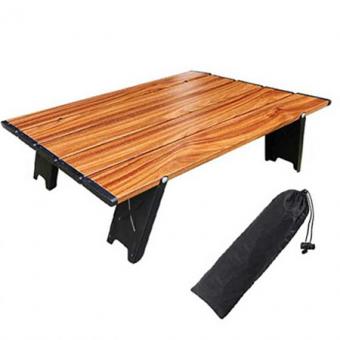
Brand: ANHUI FEISTEL FACTORY Relate Manufacturing: OEM & ODM Product: A lightweight, small, foldable picnic table perfect for outdoor activities. Made of durable materials, it's portable, easy to set up.
Brand: ANHUI FEISTEL FACTORY Relate Manufacturing: OEM & ODM Product: The custom lightweight metal iron foldable moon chair offers durable support and comfort, ideal for outdoor camping, with a compact, portable design for easy transport and storage.
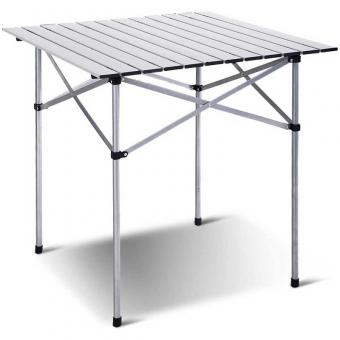
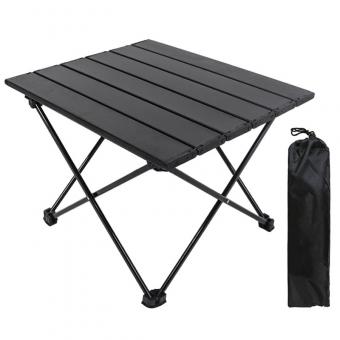
Brand: ANHUI FEISTEL FACTORY Relate Manufacturing: OEM & ODM Product: Compact and lightweight aluminum folding table, perfect for camping, beach, or outdoor activities. Easy to carry, sturdy, and ideal for holding food and drinks.
Brand: ANHUI FEISTEL FACTORY Relate Manufacturing: OEM & ODM Product: This camping foldable wooden lounge chair features a sturdy frame, ergonomic reclining design, and compact folding structure—perfect for relaxing at the beach, campsite, or backyard.
Brand: ANHUI FEISTEL FACTORY Relate Manufacturing: OEM & ODM Product: The hiking backpacking mini stool combines a durable Oxford fabric foldable design with a creative pencil case pocket, offering portability, comfort, and practicality for camping and outdoor adventures.
Brand: ANHUI FEISTEL FACTORY Relate Manufacturing: OEM & ODM Product: An outdoor ultralight single compact portable folding camping bed ideal for backpacking, featuring a durable frame, easy setup, and a convenient carry bag for travel.
Newsletter
Subscribe to our newsletter to receive news, updates, and special offers by email.