The Anatomy of a Great Trekking Pole: Breaking Down Aluminum, Quick-Locks, and Cork
2025-12-19
For the modern hiker, a trekking pole is far more than a simple walking stick—it's a complex piece of engineering designed to enhance stability, reduce fatigue, and protect your joints across thousands of steps. While many casual users might choose a pole based on brand or price alone, understanding the core components is key to selecting a tool that will become a reliable partner on the trail. The performance, durability, and comfort of a trekking pole hinge on three critical elements: the shaft material, the locking mechanism, and the grip. By dissecting the anatomy of a great pole—specifically focusing on high-grade aluminum alloys, precision quick-lock systems, and natural cork grips—we can appreciate how these components work in harmony to create an essential piece of outdoor equipment.
The Backbone: The Aluminum Alloy Shaft
Why Material Matters: Strength, Weight, and Vibration
The shaft forms the structural core of any trekking pole, responsible for transmitting force from your body to the ground while absorbing impacts. Among various materials, aluminum alloys—particularly 6061 and 7075—have become the industry standard for reliability and performance. The choice of alloy directly impacts the pole's strength-to-weight ratio, durability, and overall feel.
7075 Aluminum Alloy: The Aviation-Grade Standard Often marketed as "aviation-grade" or "aircraft aluminum," 7075-T6 alloy represents the pinnacle of aluminum performance for trekking poles. The "T6" designation indicates it has undergone solution heat treatment and artificial aging, processes that dramatically increase its hardness and tensile strength. Pound for pound, 7075 aluminum is significantly stronger than the more common 6061 alloy, allowing manufacturers to use thinner tube walls to reduce weight without sacrificing structural integrity. This results in a pole that feels solid and secure under load, with excellent resistance to bending under lateral stress—a crucial factor when navigating rocky or uneven terrain.
Inherent Properties and Performance Beyond pure strength, aluminum offers natural benefits that carbon fiber cannot match. Its inherent damping characteristics help absorb and dissipate high-frequency vibrations from rough trails, reducing the "trail buzz" that can lead to arm and shoulder fatigue. Furthermore, aluminum fails in a predictable, ductile manner; when subjected to extreme force beyond its limits, it will typically bend rather than snap catastrophically like carbon fiber. This can be a critical safety advantage in remote areas, as a bent pole might still be serviceable to get you back to the trailhead. For most hikers, especially those who value durability and predictability over the absolute lightest weight, a quality 7075 aluminum alloy shaft provides an unbeatable balance.
The Critical Joint: Precision Quick-Lock Mechanisms
The Engine of Adjustability
A telescoping trekking pole is only as good as its ability to stay securely locked at your chosen length. The locking mechanism is arguably the most vital component, as a failure here can render the pole instantly useless and potentially dangerous. Modern poles predominantly use external lever locks (often called flip-locks, speed locks, or quick-locks), which have largely surpassed older twist-lock designs in reliability and ease of use.
Anatomy of a Flip-Lock System A typical flip-lock mechanism consists of a robust lever, a cam, and a locking collar, usually made from high-strength polymer composites or machined aluminum. When the lever is flipped down, the cam tightens the collar around the inner shaft, creating powerful friction to prevent slippage. The best systems, such as Black Diamond's FlickLock or LEKI's Speed Lock, feature oversized levers and textured surfaces for easy operation with gloves or cold, wet hands. They also provide visual and tactile confirmation of engagement—you can see the lever is flush and feel a distinct "click," eliminating guesswork about whether the pole is secure.
Durability and Maintenance The advantage of this design lies in its simplicity and user-serviceability. Unlike internal twist mechanisms that can be compromised by dirt or wear to their threads, external lever locks can be easily inspected, cleaned, and adjusted. Most feature a simple tension adjustment screw that allows users to compensate for minor wear over time, extending the mechanism's lifespan indefinitely. For hikers facing variable terrain where frequent length adjustments are necessary—shortening for steep ascents, lengthening for descents—the speed and certainty of a quick-lock system are invaluable, making it the undisputed choice for demanding and adaptive use.
The Human Interface: The Natural Cork Grip
Where Comfort and Control Converge
Your hands are the sole point of contact with the pole, making the grip material a primary determinant of comfort and control over a long day. While EVA foam and rubber are common, natural cork has earned a legendary reputation among serious hikers for its unique, performance-enhancing properties.
The Adaptive, Sweat-Managing Performer Cork grips are not simply molded plastic; they are composite materials made from natural cork granules bound with a polymer. This structure gives cork its signature talent: hygroscopic moisture management. As you hike, cork naturally wicks sweat away from your palms, maintaining a secure, non-slip grip even during intense exertion. Unlike rubber, which can become slick when wet, or foam, which can feel saturated, cork's performance often improves slightly with moisture. Additionally, cork has low thermal conductivity, meaning it feels naturally warm in cold weather and cool in heat, providing comfortable bare-hand contact in most conditions.
Ergonomics and the Personalized Fit Perhaps cork's most celebrated characteristic is its ability to conform to your hand over time. With repeated use and exposure to body heat, the cork composite gently molds to the unique shape of your grip. This creates a custom, ergonomic fit that reduces pressure points and distributes force more evenly, minimizing hand fatigue and the risk of blisters on multi-day treks. This adaptive ergonomics, combined with cork's sustainable sourcing (harvested from the renewable bark of cork oak trees without harming the tree), makes it the premium choice for hikers who prioritize long-term comfort, a secure connection to their gear, and environmentally conscious materials.
Synthesis: How Great Components Create a Superior Pole
The Interplay of Materials and Design
A great trekking pole is not defined by a single standout component but by the synergistic integration of all three. The stiffness and predictable flex of a 7075 aluminum shaft provide a stable platform. This stability is secured at the optimal length by a quick-lock mechanism that inspires absolute confidence with every pole plant. Finally, the moisture-wicking, conforming nature of the cork grip ensures that the forces transmitted through the stable, locked shaft are managed comfortably by the hand, reducing fatigue and increasing control.
This synergy is what separates a quality tool from a disposable one. A weak lock negates the strength of the aluminum. An uncomfortable grip makes you not want to use the pole, regardless of its other features. When all three are excellently executed, the pole becomes an intuitive extension of the hiker's body.
Decision Guide: Matching Anatomy to Adventure
Understanding this anatomy empowers you to choose the perfect pole for your needs:
For the All-Round Hiker & Backpacker: A 7075 aluminum shaft with a reputable flip-lock and cork grips is the gold-standard trio. It offers the perfect balance of durability, adjustable security, and all-day comfort for varied terrain and multi-day trips.
For the Weight-Conscious & Performance Hiker: You might prioritize a carbon fiber shaft over aluminum for maximum weight savings, but you should never compromise on a precision quick-lock and a comfortable cork grip. The security and comfort they provide are non-negotiable for performance.
For the Casual or Budget Hiker: A pole with a 6061 aluminum shaft and a basic but reliable lever lock is a fantastic starting point. You might find models with hybrid cork/rubber grips that offer some sweat management at a lower cost.
Conclusion: Investing in the Fundamentals
Choosing a trekking pole by dissecting its core anatomy—the aluminum alloy in its bones, the quick-lock in its joints, and the cork at its heart—transcends brand marketing and fleeting trends. It is an investment in fundamental engineering principles that directly translate to safety, comfort, and reliability on the trail.
The robust, ductile strength of aviation-grade 7075 aluminum ensures your pole can handle unexpected impacts. The unwavering security of a well-engineered flip-lock mechanism guarantees your pole is always at the right length, ready to support you. The adaptive, moisture-managing comfort of a natural cork grip makes using your pole a pleasure, mile after mile. When these three elements are executed with quality, they create not just a piece of gear, but a trusted companion for every journey, empowering you to hike farther, more comfortably, and with greater confidence in the world beneath your feet.
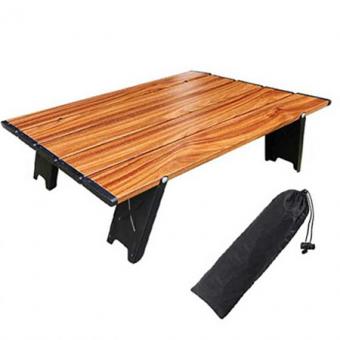
Brand: ANHUI FEISTEL FACTORY Relate Manufacturing: OEM & ODM Product: A lightweight, small, foldable picnic table perfect for outdoor activities. Made of durable materials, it's portable, easy to set up.
Brand: ANHUI FEISTEL FACTORY Relate Manufacturing: OEM & ODM Product: The custom lightweight metal iron foldable moon chair offers durable support and comfort, ideal for outdoor camping, with a compact, portable design for easy transport and storage.
Brand: ANHUI FEISTEL FACTORY Relate Manufacturing: OEM & ODM Product: The hiking backpacking mini stool combines a durable Oxford fabric foldable design with a creative pencil case pocket, offering portability, comfort, and practicality for camping and outdoor adventures.
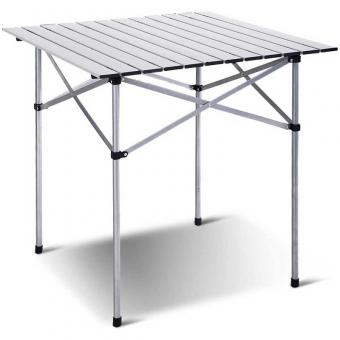
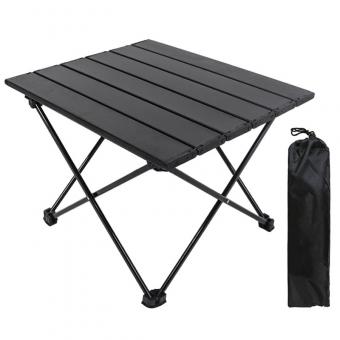
Brand: ANHUI FEISTEL FACTORY Relate Manufacturing: OEM & ODM Product: Compact and lightweight aluminum folding table, perfect for camping, beach, or outdoor activities. Easy to carry, sturdy, and ideal for holding food and drinks.
Brand: ANHUI FEISTEL FACTORY Relate Manufacturing: OEM & ODM Product: This camping foldable wooden lounge chair features a sturdy frame, ergonomic reclining design, and compact folding structure—perfect for relaxing at the beach, campsite, or backyard.
Brand: ANHUI FEISTEL FACTORY Relate Manufacturing: OEM & ODM Product: An outdoor ultralight single compact portable folding camping bed ideal for backpacking, featuring a durable frame, easy setup, and a convenient carry bag for travel.
Newsletter
Subscribe to our newsletter to receive news, updates, and special offers by email.