600D Oxford + Steel Tube Picnic Chair: Why This Combination Dominates the Outdoor Furniture Market
2026-05-19
In the crowded world of outdoor seating, one product configuration has emerged as the undisputed market leader: the 600D Oxford + steel tube picnic chair. Whether you are scanning the aisles of a big‑box retailer, scrolling through Amazon bestseller lists, or setting up chairs at a weekend campsite, this combination appears again and again. Its dominance is not accidental. It is the result of a near‑perfect material partnership that solves the three biggest consumer demands for outdoor seating: durability, portability, and affordability.
The global outdoor furniture market stood at approximately
The global camping market is valued at $53 billion in 2024 and is projected to grow at a Compound Annual Growth Rate (CAGR) of 5.5%, reaching $82 billion by 2032. Within this expanding market, the camping furniture category alone is expected to surge significantly, growing from $8.78 billion in 2025 to $19.20 billion by the end of the forecast period. billion by 2034, at an impressive CAGR of 9.14 %. Camping chairs are expected to retain the largest share of this category, driven by their essential utility and wide usage. At the heart of this growth sits the 600D‑Oxford‑and‑steel‑tube picnic chair—a product that has become the industry benchmark for balancing strength, weight, and cost.
This article examines why this specific material pairing has come to dominate the market, exploring the technical properties of both components, their real‑world performance, and the market forces that have propelled them to the top.
Understanding 600D Oxford Fabric: The Sweet Spot of Outdoor Textiles
The first pillar of this successful combination is 600D Oxford fabric. To understand why this material is so widely used, one must first understand what the “600D” designation actually means.
“Denier” (abbreviated as D) is a unit of measurement that describes the linear mass density of textile fibers. Technically, it represents the weight in grams of 9,000 meters of a single filament: if 9,000 meters of a fiber weigh 600 grams, it is classified as 600D. In practical terms, a higher denier number indicates thicker, heavier, and generally more durable yarns. However, denier alone does not tell the full story. The fabric’s final performance depends on weave density, finishing treatments, and coating type.
The denier scale provides context. 210D fabrics are lightweight and flexible, suitable for bag linings and lightweight rain covers. 300D serves as a balanced mainstream choice for everyday bags and tent components. 600D occupies the “workhorse” middle ground—thick enough to resist tears and abrasion from regular use, yet moderate enough in weight not to compromise portability. Moving higher, 900D fabrics are heavy‑duty, while 1200D and 1680D reach industrial‑grade and ballistic levels of abrasion resistance, typically used for premium luggage and tactical gear.
Several key attributes make 600D Oxford fabric the preferred choice for picnic and camping chairs. Its balanced durability is arguably the most important. The fabric offers sufficient thickness to resist tears, punctures, and abrasion from sand, dirt, and repeated folding—all common hazards for outdoor seating. When used in outdoor chairs, 600D fabric typically weighs between 180–230 grams per square meter (GSM) for PU‑coated versions, while PVC‑coated versions can range from 350 to 550 GSM. This weight provides substantial durability without making the overall chair excessively heavy to carry.
Weather resistance is another critical factor. Properly coated 600D Oxford fabric can achieve hydrostatic resistance ratings of 2,000 mm or higher, effectively blocking moisture from damp grass or morning dew. It can also achieve UPF 50+ ratings, blocking up to 98 % of harmful UV rays—an essential feature for chairs that sit under the open sun for hours.
But perhaps the most compelling advantage of 600D Oxford fabric is its position as the “sweet spot” on the denier scale. It delivers “workhorse” durability without the excessive weight and stiffness of higher‑denier fabrics such as 900D or 1680D. For manufacturers, this means using a fabric that meets durability expectations while keeping shipping costs manageable and portability practical for consumers. As one industry expert notes, two fabrics labeled “600D Oxford” can perform very differently depending on filament count, ply construction, and coating type; a well‑engineered 600D fabric can often outperform a poorly designed 900D fabric.
Real‑world examples confirm this material’s dominance. The Dometic GO Compact Camp Chair, reviewed by outdoor gear specialists, uses a sturdy aluminum frame and 600D fabric that inspires confidence and folds into a compact footprint. The Naturehike Cloud-Up II camping chair features thick 600D Oxford fabric that resists dirt and spills, with the added reassurance that spilled juice wipes away cleanly—a crucial feature for family outings.
The Steel Tube Frame: Strength Where It Counts
The second pillar of this market‑dominant combination is the steel tube frame. While aluminum frames have gained popularity among ultralight enthusiasts, steel remains the material of choice for the vast majority of picnic and camping chairs sold today—and for good reason.
The market‑leading frame configuration is powder‑coated steel tubing. This process involves applying a dry powder electrostatically to the steel surface, then curing it under heat to create a finish that is far more resistant to chipping, scratching, and fading than conventional paint. For outdoor furniture, powder coating provides a robust defense against the elements. Many high‑quality chairs also feature double‑surface treatments—zinc plating combined with powder coating—to provide additional corrosion resistance, especially critical in humid or coastal environments.
Steel’s inherent material properties align perfectly with the demands of budget‑conscious, durability‑focused consumers. Steel offers high tensile strength at a relatively low material cost, making it accessible across a wide price spectrum. It provides excellent stability and load‑bearing capacity, with many steel‑frame chairs supporting users up to 150 kg (approximately 330 lb) or more. Unlike aluminum, which tends to bend progressively under extreme stress, steel offers predictable structural behavior that consumers trust.
A clear example of steel’s capabilities appears in the Foristrail Zero Gravity Chair, which combines military‑grade 600D tear‑resistant Oxford fabric with a 1.2 mm powder‑coated steel frame rated to withstand 400 lb (approximately 181 kg). Its double X‑brace folding design maintains stability on uneven surfaces such as beaches, lawns, or pool decks. This product, an Amazon bestseller, illustrates precisely why the steel‑and‑600D combination has become so popular: it offers confidence and security at an accessible price point.
Not all steel frames are created equal, however. The most durable designs incorporate thoughtful engineering details: reinforced gussets at corners, double‑walled tubing in high‑stress areas, and integrated support bars that prevent lateral flexing. In commercial‑grade applications, robotic and manual welding techniques are combined to ensure seamless, incredibly strong connections that can withstand constant use and heavy loads.
The trade‑off with steel is weight. A steel‑frame camping chair typically weighs between 2.6 kg and 4.5 kg, whereas an equivalent aluminum chair may weigh 30–40 % less. However, for the majority of consumers who car‑camp rather than backpack, this weight penalty is an acceptable price for the significant cost savings and superior durability that steel provides. Consumer preference data suggests that most buyers prioritize confidence and long‑term value over ultra‑light portability.
Why the Combination Works: Synergy in Design
The dominance of the 600D‑Oxford‑and‑steel‑tube combination stems from how these two materials complement each other. Each compensates for the other’s limitations, creating a product that is greater than the sum of its parts.
Steel provides the structural backbone—rigidity, load‑bearing capacity, and stability. The fabric provides the comfort and weather protection—flexibility, breathability, and moisture resistance. Powder coating protects the steel frame from rust, while PU or PVC coating protects the Oxford fabric from moisture. The result is a chair that performs reliably across a wide range of outdoor conditions: dewy morning grass, hot sunny afternoons, sandy beaches, and uneven campground terrain.
Manufacturing economics further reinforce this pairing. Both materials are widely available, well‑understood, and amenable to large‑scale production. China, as the world’s leading manufacturing hub for outdoor furniture, has perfected the cost‑efficient production of powder‑coated steel tubing and coated Oxford fabrics. Assembly techniques such as robotic welding for frames and industrial sewing for fabric panels are highly optimized, enabling manufacturers to achieve consistent quality at scale.
From a portability standpoint, the combination holds its own. While heavier than some premium alternatives, well‑designed steel‑and‑600D chairs fold into compact packages. The Space General folding camping chair, for example, weighs only 2.6 kg and folds down to 13 × 90 × 13 cm, with a carry bag included for effortless transport. It supports up to 150 kg (approximately 330 lb) per chair and can be opened in seconds with no assembly required. This level of convenience has broad appeal, from family campers to beachgoers to sports‑event attendees.
Performance Metrics: What the Numbers Reveal
Turning to objective specifications helps explain why this combination continues to satisfy consumers. The 60 × 60 cm seat dimension has emerged as a de facto standard for single‑occupant chairs, offering enough width for comfortable sitting without excessive material consumption. 1.0 mm to 1.2 mm steel tube thickness provides the optimal balance between frame rigidity and weight; thinner tubing risks bending under load, while thicker tubing makes the chair unnecessarily heavy. Load capacity ratings typically fall between 110 kg and 150 kg, covering the vast majority of adult body weights while providing a safety margin.
The fabric’s 180 GSM to 230 GSM weight (for PU‑coated versions) offers durability without excessive thickness, and water resistance of 2,000 mm hydrostatic head or higher reliably blocks ground moisture. Folding mechanisms are nearly universal, as portability is a fundamental requirement for picnic and camping chairs. Quick deployment in three to five seconds and easy folding into a carry‑friendly shape are standard expectations for products in this category.
Market Validation: The Verdict of Consumers
If specifications and technical arguments are not convincing enough, the market’s verdict speaks clearly. Major retailers, from Amazon to Walmart to specialty outdoor stores, have their best‑selling folding chair lineups dominated by 600D Oxford fabric and steel tube construction.
Reviews consistently praise the combination for its durability, ease of cleaning, and peace of mind. Users report that the 600D fabric withstands heavy use, resists stains, and cleans easily with a damp cloth. The steel frame’s stability and substantial load capacity reassure heavier users who may have previously broken lighter chairs. And the affordability of this combination—typically priced between 39and39and80—makes it accessible to a wide demographic.
Of course, the combination has its detractors. Some users find steel‑frame chairs too heavy to carry long distances, while others note that lower‑cost versions may use thinner steel tubing (0.6–0.8 mm) or lower‑quality Oxford fabric that compromises longevity. However, these criticisms tend to focus on execution rather than the material concept itself. A well‑built steel‑and‑600D chair, with proper powder coating and 1.2 mm tube walls, generally receives high marks for reliability and value.
Beyond the Market: Meeting Evolving Consumer Priorities
The camping furniture market is evolving rapidly. Consumer expectations have shifted toward comfort as a key factor in purchasing decisions, rather than merely an added benefit. Today’s campers seek stable, ergonomically supportive, and easy‑to‑use furniture for eating and relaxing outdoors. This change has opened the door to premium and unique features such as padded seats, adjustable or reclining designs, integrated armrests, storage pockets, and cup holders. Manufacturers are also exploring multifunctional and modular furniture systems, with some incorporating smart technologies such as USB charging ports.
The 600D‑Oxford‑and‑steel‑tube combination is well positioned to accommodate these trends. The fabric can easily be padded or quilted for increased comfort, while the steel frame can accommodate folding cup holders, side pockets, and other accessories without compromising structural integrity. Brands such as Foristrail have already integrated UV‑resistant detachable trays with dual cup holders and phone organizers into their 600D steel‑frame designs, demonstrating the combination’s versatility.
The combination’s versatility is further demonstrated by its applications beyond traditional camping. Portable picnic chairs made from these materials are used for beach outings, tailgating parties, sports events, music festivals, fishing trips, hiking, backyard relaxation, and even as seating for outdoor weddings and corporate events. The product’s April sales peak aligns with the start of picnic and camping season in the Northern Hemisphere, though the chairs see steady demand throughout the spring and summer months.
A Material Partnership Built to Last
The 600D‑Oxford‑and‑steel‑tube picnic chair has earned its market dominance through a simple formula: deliver what consumers actually want. They want a chair that will not collapse under them, that will not tear after a few uses, that will not rust after a season in the garage, that will not cost a fortune, and that will be easy enough to carry from the car to the campsite. The 600D‑Oxford‑and‑steel‑tube combination meets all these demands.
Steel provides the strength and stability that create confidence. 600D Oxford fabric provides the durability and weather resistance that allow the chair to shrug off the elements. And thoughtful engineering—powder coating, adequate tube thickness, secure stitching—turns these raw materials into products that perform. The result is a market segment that continues to grow alongside the broader outdoor furniture industry, projected to expand at 5.5 % annually through 2032.
For manufacturers, this combination offers the predictability of proven materials and well‑established supply chains. For retailers, it offers product consistency and consumer trust. And for consumers, it offers a reliable solution at a reasonable price. In an industry where trends come and go, the 600D‑Oxford‑and‑steel‑tube picnic chair remains a timeless foundation—proving that sometimes, the simplest formulas are the ones that dominate for years to come.
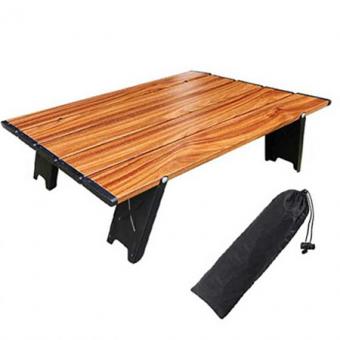
Brand: ANHUI FEISTEL FACTORY Relate Manufacturing: OEM & ODM Product: A lightweight, small, foldable picnic table perfect for outdoor activities. Made of durable materials, it's portable, easy to set up.
Brand: ANHUI FEISTEL FACTORY Relate Manufacturing: OEM & ODM Product: The custom lightweight metal iron foldable moon chair offers durable support and comfort, ideal for outdoor camping, with a compact, portable design for easy transport and storage.
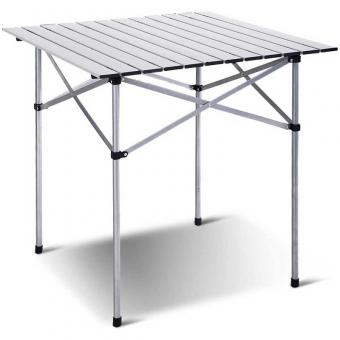
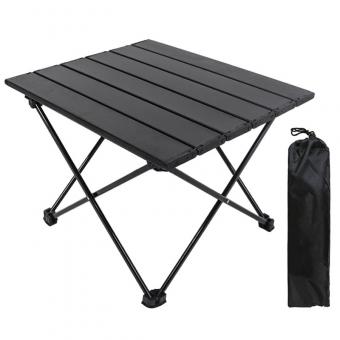
Brand: ANHUI FEISTEL FACTORY Relate Manufacturing: OEM & ODM Product: Compact and lightweight aluminum folding table, perfect for camping, beach, or outdoor activities. Easy to carry, sturdy, and ideal for holding food and drinks.
Brand: ANHUI FEISTEL FACTORY Relate Manufacturing: OEM & ODM Product: This camping foldable wooden lounge chair features a sturdy frame, ergonomic reclining design, and compact folding structure—perfect for relaxing at the beach, campsite, or backyard.
Brand: ANHUI FEISTEL FACTORY Relate Manufacturing: OEM & ODM Product: The hiking backpacking mini stool combines a durable Oxford fabric foldable design with a creative pencil case pocket, offering portability, comfort, and practicality for camping and outdoor adventures.
Brand: ANHUI FEISTEL FACTORY Relate Manufacturing: OEM & ODM Product: An outdoor ultralight single compact portable folding camping bed ideal for backpacking, featuring a durable frame, easy setup, and a convenient carry bag for travel.
Newsletter
Subscribe to our newsletter to receive news, updates, and special offers by email.