Aluminum vs. Steel: Which Frame Material is Best for Your Camping Table?
2025-12-09
Choosing the right camping table often comes down to one fundamental decision: aluminum or steel? This isn't a minor detail—the frame material determines your table's weight, stability, durability, and overall value. For outdoor enthusiasts who value their comfort and convenience, this choice can mean the difference between a seamless camp kitchen and a wobbly, frustrating mess. In this comprehensive comparison, we'll examine both materials through the lens of real-world camping scenarios, empowering you to make an informed decision that perfectly matches your outdoor lifestyle.
The Core Contenders: Understanding Frame Materials
Aluminum: The Lightweight Champion
Modern camping tables predominantly use aluminum alloys, specifically 6061-T6 and 7075 aluminum, known for their exceptional strength-to-weight ratio. The "T6" designation indicates the material has undergone solution heat treatment and artificial aging, significantly increasing its hardness and corrosion resistance. This manufacturing process creates frames that are remarkably lightweight yet capable of supporting substantial loads—typically 50-100 pounds for standard camping tables and up to 150 pounds for heavy-duty models. Many aluminum tables feature anodized finishes that further enhance their corrosion resistance while providing a clean, modern aesthetic.
Steel: The Sturdy Traditionalist
Steel camping tables typically utilize carbon steel or powder-coated steel frames that offer exceptional load-bearing capacity. While raw steel is susceptible to corrosion, quality camping tables employ electrostatic powder coating—a process where dry powder is electrostatically applied and then cured under heat to form a durable, protective skin. This coating not only prevents rust but can be customized in various colors. Steel's inherent density provides a solid, stable feel that many campers appreciate, especially when preparing meals or using the table for multiple activities.
Performance Comparison: Breaking Down the Key Factors
Weight and Portability
Aluminum's Advantage: This is where aluminum truly excels. An aluminum camping table typically weighs 40-60% less than a comparably sized steel model. For example, a standard 4-foot aluminum table might weigh 8-12 pounds, while a similar steel table could weigh 15-22 pounds. This weight difference becomes critically important when you're carrying gear any distance from your vehicle, when space in your car is limited, or when every ounce matters for backpacking trips. Many aluminum tables feature foldable designs that collapse into surprisingly compact packages, with some models measuring as small as 4×4×36 inches when packed.
Steel's Reality: While modern manufacturing has created lighter steel tables through strategic design and thinner gauge materials, they remain significantly heavier than aluminum alternatives. This extra weight translates directly to reduced portability, making steel tables better suited for car camping scenarios where the table only needs to travel from trunk to campsite.
Strength and Stability
Steel's Forte: Steel's higher density and modulus of elasticity provide exceptional structural rigidity. A well-designed steel table feels solid and secure, with minimal flex or wobble even when loaded with heavy camp stoves, cooking equipment, or multiple dishes. This inherent stability is particularly valuable on uneven ground where table legs may not contact the surface evenly. Many steel tables boast weight capacities of 100-200+ pounds, easily handling the demands of family camping or group meals.
Aluminum's Response: While aluminum alloys don't match steel's raw density, advanced engineering has closed the gap significantly. Quality aluminum tables incorporate reinforced leg joints, triangulated bracing, and strategic tube shaping to enhance stability without excessive weight. For the majority of camping applications—from meal preparation to card games—a well-designed aluminum table provides more than adequate stability. However, those who prioritize absolute rigidity above all other factors may still prefer steel's unyielding solidity.
Durability and Corrosion Resistance
Aluminum's Resilience: Aluminum's natural corrosion resistance gives it a distinct advantage in outdoor environments. When exposed to air, aluminum forms a protective oxide layer that prevents further oxidation. High-quality tables enhance this natural property through anodization, creating an even more durable surface that withstands moisture, UV exposure, and temperature fluctuations. This makes aluminum tables ideal for coastal camping, humid environments, or any situation where the table might be packed away slightly damp.
Steel's Protection: Steel requires more proactive protection against the elements. While powder coating provides excellent defense against rust, any chips, scratches, or abrasions in the coating can expose the underlying steel to moisture and oxygen. Once corrosion begins beneath the coating, it can spread invisibly until significant damage occurs. Regular inspection and touch-up of damaged areas becomes essential for maintaining a steel table's longevity, especially in saltwater environments.
Cost and Value Proposition
Steel's Economic Edge: Generally, steel camping tables offer better initial cost efficiency. The raw materials and manufacturing processes for steel frames are less expensive than for aluminum, making steel tables accessible to budget-conscious campers. For occasional users or those seeking maximum load capacity per dollar, steel represents compelling value.
Aluminum's Long-Term Value: While aluminum tables typically command a 20-40% price premium, they often deliver superior long-term value through extended service life and reduced maintenance. The combination of lighter weight (enhancing usability) and better corrosion resistance (extending lifespan) justifies the higher initial investment for regular campers. Additionally, aluminum's recyclability appeals to environmentally conscious outdoors enthusiasts.
Application-Based Recommendations
Backpackers and Minimalists
For those who hike to their campsites or have severe space constraints, aluminum is the clear choice. The weight savings alone justify the selection, with some ultra-lightweight aluminum tables weighing under 2 pounds. Look for models with telescoping legs and compact folding mechanisms that minimize packed size without sacrificing functionality.
Car Campers and Family Outings
Both materials perform well for vehicle-based camping, but each serves different priorities:
Choose aluminum if you value easy transport, quick setup, and minimal maintenance. Modern aluminum tables with locking leg mechanisms and adjustable feet provide excellent stability for family meals and games.
Choose steel if maximum stability and load capacity are your primary concerns, especially for extended camping trips or basecamps with heavy cooking equipment. Look for powder-coated frames with reinforced corners for enhanced durability.
Coastal and Waterfront Camping
In environments with salt air, high humidity, or frequent moisture exposure, aluminum's corrosion resistance makes it the superior choice. Even anodized aluminum requires minimal maintenance compared to steel in these conditions. If you must use a steel table near water, ensure it has a flawless, thick powder coating and commit to thorough drying after each use.
Seasonal and Occasional Users
For campers who only venture out a few times each year or have strict budget constraints, steel tables offer excellent functionality at accessible price points. Their inherent strength handles occasional use well, and with proper storage (clean and dry), they can last for many seasons.
The Verdict: Making Your Final Decision
The choice between aluminum and steel camping tables ultimately depends on how you prioritize these key factors:
Choose Aluminum If:
Weight and portability significantly impact your camping experience
You frequently camp in damp, humid, or coastal environments
You value low-maintenance gear that performs reliably trip after trip
Your budget allows for a higher initial investment with long-term returns
Choose Steel If:
Maximum stability and load capacity are non-negotiable requirements
You primarily engage in car camping with minimal carrying distance
Initial cost is a primary consideration in your purchasing decision
You're willing to perform regular maintenance to ensure longevity
Beyond the Frame: Other Critical Considerations
While frame material is crucial, don't overlook these additional factors:
Tabletop Surface: Materials range from tempered aluminum (lightweight and durable) to melamine-coated wood (traditional feel) to polyethylene plastic (easy cleaning). Consider your primary uses—food preparation benefits from non-porous surfaces, while general utility might prioritize durability.
Leg Adjustment Systems:Telescoping legs with pin-lock mechanisms allow for leveling on uneven ground—a feature more valuable than many campers initially realize.
Folding Mechanism: The efficiency and reliability of the folding system greatly impacts user satisfaction. Test the mechanism before purchase if possible, ensuring it operates smoothly without pinching hazards.
Accessories: Some tables offer integrated features like cup holders, underside storage, or attached carrying bags that enhance convenience.
The aluminum versus steel debate doesn't have a universal winner—only the right material for your specific needs. Aluminum excels in portability and corrosion resistance, making it ideal for active campers and challenging environments. Steel dominates in raw stability and cost-effectiveness, perfect for basecamp setups and budget-conscious outdoors enthusiasts.
By honestly assessing your camping style, frequency, environments, and priorities, you can confidently select the frame material that will provide years of reliable service. Remember that proper care—cleaning after use, thorough drying before storage, and periodic inspection—will extend the life of any camping table, regardless of its construction material. Your perfect campsite companion awaits, ready to transform your outdoor dining experience from functional to exceptional.
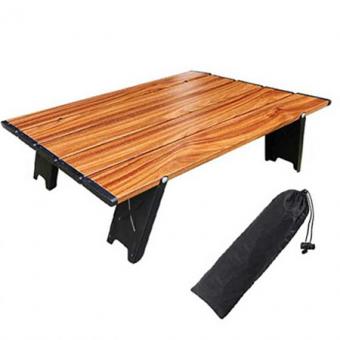
Brand: ANHUI FEISTEL FACTORY Relate Manufacturing: OEM & ODM Product: A lightweight, small, foldable picnic table perfect for outdoor activities. Made of durable materials, it's portable, easy to set up.
Brand: ANHUI FEISTEL FACTORY Relate Manufacturing: OEM & ODM Product: The custom lightweight metal iron foldable moon chair offers durable support and comfort, ideal for outdoor camping, with a compact, portable design for easy transport and storage.
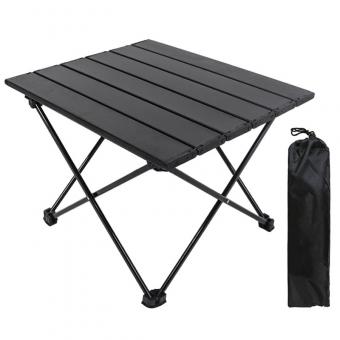
Brand: ANHUI FEISTEL FACTORY Relate Manufacturing: OEM & ODM Product: Compact and lightweight aluminum folding table, perfect for camping, beach, or outdoor activities. Easy to carry, sturdy, and ideal for holding food and drinks.
Brand: ANHUI FEISTEL FACTORY Relate Manufacturing: OEM & ODM Product: This camping foldable wooden lounge chair features a sturdy frame, ergonomic reclining design, and compact folding structure—perfect for relaxing at the beach, campsite, or backyard.
Brand: ANHUI FEISTEL FACTORY Relate Manufacturing: OEM & ODM Product: The hiking backpacking mini stool combines a durable Oxford fabric foldable design with a creative pencil case pocket, offering portability, comfort, and practicality for camping and outdoor adventures.
Brand: ANHUI FEISTEL FACTORY Relate Manufacturing: OEM & ODM Product: An outdoor ultralight single compact portable folding camping bed ideal for backpacking, featuring a durable frame, easy setup, and a convenient carry bag for travel.
Newsletter
Subscribe to our newsletter to receive news, updates, and special offers by email.