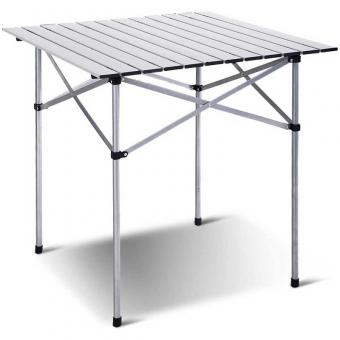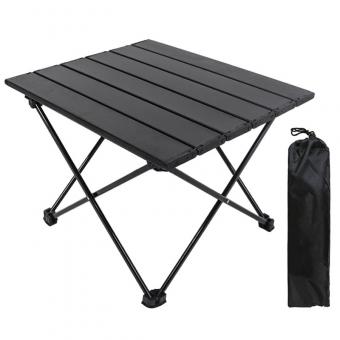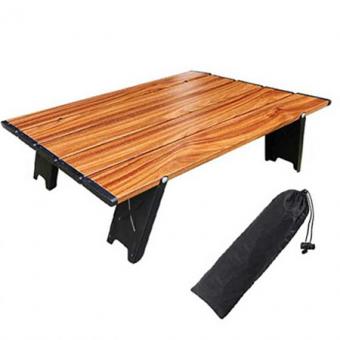
Brand: ANHUI FEISTEL FACTORY Relate Manufacturing: OEM & ODM Product: A lightweight, small, foldable picnic table perfect for outdoor activities. Made of durable materials, it's portable, easy to set up.
Neil welcome to our website !
learn more
Trekking poles are more than just accessories; they're vital tools that enhance stability, improve posture, and dramatically reduce the strain on your knees and joints during hikes. When shopping for poles, you'll quickly encounter two dominant designs: the classic 3-section telescopic pole and the ultra-compact 5-section folding pole. While they serve the same core function, their differences in stability, portability, and intended use are significant.
This guide will break down these two designs to help you choose the perfect pole for your adventures, covering everything from engineering and performance to specific hiking scenarios.
The fundamental difference between 3-section and 5-section poles lies in their construction and how they collapse.
3-Section Telescopic Poles: This is the traditional and most common design. As the name suggests, they consist of three tube segments that slide into one another, typically locked in place by a lever lock (flick lock) or twist lock mechanism. They are adjusted by loosening the locks, extending or retracting the segments to the desired length, and re-tightening. This design has been the trail standard for years, prized for its straightforward adjustability and robust feel.
5-Section Folding Poles: Also known as Z-poles, these are a newer innovation. They consist of five or more shorter segments connected by a strong internal cord, similar to a tent pole. They fold down via hinged connections and pack into an exceptionally small size. While some models have a single adjustable section, many are fixed-length or offer only limited adjustment. Their primary advantage is ultra-lightweight and ultra-compact portability.
To visualize the key trade-offs between these designs, the following table provides a direct comparison:
This is the most decisive category. 5-section folding poles are the clear winner for minimalists and travelers. Their ability to shrink to the size of a water bottle means they can be stored inside your backpack, eliminating snag risk and making air travel hassle-free. In contrast, even when collapsed, 3-section poles are relatively long and often need to be strapped to the outside of a pack, which can be inconvenient in dense brush or on scrambles.
Here, 3-section poles typically have the edge. With fewer segments and thicker wall diameters at each section, they offer superior lateral rigidity and vibration damping. When you plant them on a rocky step or lean into them on a steep descent, they feel solid and trustworthy. The multiple, thinner segments of a 5-section pole can sometimes transmit more "trail buzz" and exhibit a subtle flex, which some hikers may notice during powerful pushes.
This depends on your needs. For quick deployment, folding poles are faster—just grab and snap. However, for on-the-fly terrain adaptation, telescopic poles are unmatched. Being able to shorten your poles for a steep ascent and lengthen them for a descent is a technique that optimizes efficiency and reduces joint strain. This quick adjustability is a significant advantage of the 3-section design that most 5-section poles cannot match.
Both designs are durable when from quality brands, but their failure points differ. For 3-section poles, the locking mechanism is critical; a high-quality lever lock or twist lock is essential. For 5-section poles, the durability relies on the internal cord strength and the hinge joints. There are fewer mechanical parts to fail, but if the internal cord snaps on the trail, the pole becomes unusable until repaired. Regular maintenance for both involves keeping joints clean and dry.
The section debate crosses over with material choice, which further defines performance:
Aluminum Alloy (e.g., 6061 or 7075): Known for durability and affordability. Aluminum poles are tougher, more resistant to impact, and tend to bend rather than snap under extreme stress. They are a top choice for off-trail adventures, heavy backpackers, or anyone who is "hard on gear". The slight weight penalty is often worth it for the peace of mind.
Carbon Fiber: Prized for its excellent strength-to-weight ratio and natural vibration damping. Carbon fiber poles are significantly lighter, reducing arm fatigue over long distances. However, they are more brittle and can crack or snap if leveraged sideways in a rock crack. They excel on trails where weight is a premium and direct, vertical impacts are the norm.
Key Takeaway: A burly aluminum 3-section pole is a tank built for all conditions, while a carbon fiber 5-section pole is a featherweight specialist for speed and efficiency.
Your ideal pole isn't about which is objectively "better," but which is better for you.
You're a backpacker or multi-day hiker: The adjustability for different loads and terrain throughout the day is invaluable.
You hike on variable, technical terrain: You need the ability to quickly modify length for steep ascents/descents and value maximum stability.
You want one pole for everything: From local day hikes to mountain treks, the 3-section is the versatile workhorse.
You prioritize a solid, "plant-and-push" feel: You want confidence that your pole won't flex when you need it most.
You are an ultralight backpacker or trail runner: Saving every ounce and liter of pack space is your primary goal.
You frequently travel by plane to hike: Their compact size guarantees they will fit in your carry-on luggage.
Your hikes are on consistent, well-maintained trails: Where frequent length adjustment is less critical.
You engage in alpine climbing or scrambling: Where poles are used for approach and descent, and must stow away quickly and compactly on technical sections.
The choice between 3-section and 5-section hiking poles ultimately comes down to your personal hiking style and priorities.
For most general hikers and backpackers, the 3-section telescopic pole remains the recommended and most versatile choice. Its superior adjustability, proven durability, and solid on-trail performance make it a reliable partner across the widest range of conditions. It's the design that best fulfills the core promises of a trekking pole: reducing joint impact and improving stability.
The 5-section folding pole is a brilliant specialist tool. If your primary goals are minimizing weight and packed size above all else—for fast-paced pursuits like trail running, summit pushes, or international adventure travel—then its compromises in adjustability and rigidity are worth making.
Whichever design you choose, ensure it comes from a reputable brand, fits your hand comfortably (considering grip materials like EVA foam, cork, or rubber), and is used with proper technique, employing the wrist strap to transfer weight efficiently. The right pole will feel like a natural extension of your body, helping you hike farther, safer, and with more enjoyment.
Categories
New Blog
Brand: ANHUI FEISTEL FACTORY Relate Manufacturing: OEM & ODM Product: A lightweight, small, foldable picnic table perfect for outdoor activities. Made of durable materials, it's portable, easy to set up.
Brand: ANHUI FEISTEL FACTORY Relate Manufacturing: OEM & ODM Product: The custom lightweight metal iron foldable moon chair offers durable support and comfort, ideal for outdoor camping, with a compact, portable design for easy transport and storage.
Brand: ANHUI FEISTEL FACTORY Relate Manufacturing: OEM & ODM Product: Outdoor Portable Folding Roll Up Picnic Table: Lightweight, durable aluminum design with adjustable height, easy setup, and compact carry bag for camping, picnics, and outdoor activities.
Brand: ANHUI FEISTEL FACTORY Relate Manufacturing: OEM & ODM Product: A versatile, portable IGT BBQ camping table with adjustable height legs. Ideal for outdoor cooking, camping, and picnics. Lightweight and foldable for easy transport.
Brand: ANHUI FEISTEL FACTORY Relate Manufacturing: OEM & ODM Product: Compact and lightweight aluminum folding table, perfect for camping, beach, or outdoor activities. Easy to carry, sturdy, and ideal for holding food and drinks.
Brand: ANHUI FEISTEL FACTORY Relate Manufacturing: OEM & ODM Product: This camping foldable wooden lounge chair features a sturdy frame, ergonomic reclining design, and compact folding structure—perfect for relaxing at the beach, campsite, or backyard.
Brand: ANHUI FEISTEL FACTORY Relate Manufacturing: OEM & ODM Product: This Outdoor Folding Aluminum Frame Camping Chair features an adjustable backrest, lightweight yet sturdy design, offering portable comfort for camping, beach trips, picnics, and outdoor relaxation.
Brand: ANHUI FEISTEL FACTORY Relate Manufacturing: OEM & ODM Product: The hiking backpacking mini stool combines a durable Oxford fabric foldable design with a creative pencil case pocket, offering portability, comfort, and practicality for camping and outdoor adventures.
Brand: ANHUI FEISTEL FACTORY Relate Manufacturing: OEM & ODM Product: The wholesale hiking equipment travel sleeping bed is an adjustable-height folding camping cot offering sturdy support, easy portability, and comfortable rest for outdoor adventures.
Brand: ANHUI FEISTEL FACTORY Relate Manufacturing: OEM & ODM Product: An outdoor ultralight single compact portable folding camping bed ideal for backpacking, featuring a durable frame, easy setup, and a convenient carry bag for travel.
LET’S STAY CONNECTED :