Hex vs. Rectangle vs. Winter Tarps: A Guide to Choosing Your Ultimate Shelter Shape
2026-02-09
For campers, hikers, and backpackers moving beyond traditional tents, the tarp represents the pinnacle of ultralight, versatile shelter. It’s a minimalist’s dream: a simple sheet of fabric that, with skill and a few stakes, transforms into a protective home. However, the simplicity ends with a crucial first decision: shape. The debate between the classic rectangle, the streamlined hex, and the fortress-like winter tarp is fundamental, with each shape dictating your shelter's weight, weatherworthiness, and livability.
This comprehensive guide cuts through the confusion, comparing Hexagon (Hex), Rectangle, and specialized Winter Tarps. We’ll dissect their designs, performance in wind and rain, weight penalties, and ideal use cases to help you match the perfect tarp shape to your adventures—whether it’s a fast-and-light summer thru-hike or a deliberate winter expedition.
Part 1: The Contenders Explained
Before diving into comparisons, it's essential to understand the core design philosophies behind each tarp shape.
The Rectangle: The Master of Versatility
A rectangle tarp is exactly that: a flat or nearly flat sheet, typically ranging from sizes like 7x9 feet for a minimalist solo shelter to a luxurious 10x12 feet for two. Its genius lies in its unlimited pitch options. Beyond the standard A-frame, you can configure it as a lean-to for views and weather protection from one side, a half-pyramid (plow point) for stormy weather, a flat sunshade, or even a closed-ended "Baker" style shelter. This makes the rectangle the Swiss Army knife of tarps, beloved by those who enjoy adapting their shelter to the terrain and forecast.
The Hexagon: The Streamlined Specialist
The hex tarp, recognisable by its six-sided shape with cut-away corners, is designed primarily for one purpose: a taut, storm-ready A-frame pitch over a hammock or ground sleeping system. By removing the excess material at the ends, it reduces weight and, crucially, wind profile. Many feature catenary (cat-cut) edges—gentle, engineered curves that eliminate flapping and sagging when pitched correctly. This focus makes setup simpler but sacrifices the rectangle's vast configuration options. As one analysis notes, the hex often represents "a middle ground" in terms of protection and weight.
The Winter Tarp: The Four-Season Fortress
Winter tarps, sometimes called "door tarps," are a category defined by extended coverage rather than a single shape (many are modified hex or rectangular designs). Their defining feature is extended fabric at the ends, often forming doors that can be closed completely. This creates a near-enclosed shelter, shielding occupants from wind-driven snow, rain, and spindrift from all directions. Sizes are generous, often starting at 11x10 feet, to provide ample living space for hunkering down in prolonged bad weather. They are the shelter of choice when exposure, not just precipitation, is the primary concern.
Part 2: Head-to-Head Performance Comparison
To choose effectively, you must weigh how each shape performs where it matters most.
Weather Resistance & Stormworthiness
This is where purpose-built designs truly diverge.
Wind & Rain (Moderate Conditions): A well-pitched hex tarp excels. Its aerodynamic shape and cat-cut edges present minimal surface area to the wind and stay drum-tight, reducing noise and failure risk. A standard A-frame pitch on a rectangle tarp can be just as stormworthy, but achieving a taut pitch on flat edges requires more skill. As a forum expert points out, "An experienced tarp camper... can normally achieve the same or very close tautness" as a cat-cut tarp.
Wind & Rain (Severe/Multi-Directional): The winter tarp dominates. The ability to close the doors transforms it from a shelter into a protective shell. A user on Hammock Forums demonstrated how a winter tarp could be configured to block unexpected wind shifts, while a standard diamond tarp would leave one vulnerable. The rectangle can approach this by folding in ends (a "forester" pitch), but this is less integrated and secure.
Snow: The high, steep walls and enclosed ends of a winter tarp are designed to shed snow and prevent accumulation. Their large volume also reduces condensation in cold weather. Other shapes can be pitched lower and tighter in snow, but lack the same livable, storm-defying space.
Weight & Packability
The quest for lightness is a primary driver for tarp use.
Ultralight Champion: The hex tarp typically wins. By removing material not used in its primary pitch, it offers the best strength-to-weight ratio for its intended use. For example, a standard hex might weigh 12-16 ounces.
The Versatile Middleweight: A rectangle tarp of equivalent coverage area will be slightly heavier due to its larger raw fabric size. However, this weight buys you immense flexibility. A common solo size like 8x10 offers a great balance of room and reasonable weight.
The Heavy Defender:Winter tarps are, unsurprisingly, the heaviest. The extra fabric for doors and larger dimensions can push weights to 20 ounces or more. This is a justifiable penalty for their intended severe conditions, where a "good size tarp makes life a lot more bearable".
Livability & Interior Space
How a shelter feels is as important as how it protects.
Living Volume: The winter tarp offers the most "roomlike" experience. With doors open, it provides vast covered vestibules for gear and cooking. Closed, it creates a cozy, protective cocoon. The rectangle, when pitched high in an A-frame or spacious lean-to, offers excellent headroom and lateral space. The hex tarp is the most confined, optimized for lying down rather than sitting up and moving around.
Ventilation & Condensation: Here, the open hex and versatile rectangle shine. Their open ends promote exceptional airflow, drastically reducing condensation in humid conditions. The winter tarp requires careful management; leaving doors partially open or using vents is crucial to avoid a damp interior.
Skill Floor & Setup Ease
Easiest to Master: The hex tarp. It has a clear, singular optimal pitch. The cat-cut edges almost "snap" into place when tensioned correctly, making a perfect pitch achievable for beginners.
Highest Learning Curve (and Reward): The rectangle tarp. Its versatility is a double-edged sword. Knowing which of the dozen-plus pitches to use in a given situation, and how to execute it tautly, requires practice and skill. As one guide states, it "offers the freedom to set it up in numerous ways depending on the camper's needs".
Specialized but Straightforward: The winter tarp setup is often more complex than a hex due to more tie-outs and doors, but its intended configuration is usually clear. The challenge is in fine-tuning door tension and venting.
Summary Comparison Table
Feature
Hex Tarp
Rectangle Tarp
Winter Tarp
Primary Design Goal
Lightweight, storm-taut A-frame
Maximum pitching versatility
Total, enclosed protection in severe weather
Best For
3-season backpacking, hammocking, fast & light travel
3-season backpackers who value adaptability, skill enthusiasts
Excellent for direct wind/rain (when pitched correctly)
Good to excellent (depends on pitch and skill)
Best for multi-directional wind, snow, spindrift
Ventilation
Excellent
Excellent
Requires active management
Setup Simplicity
Easiest (fewer pitches)
Most complex (many options)
Moderate (more parts, but clear intent)
Key Attribute
Efficiency
Flexibility
Protection
Part 3: How to Choose: Matching Shape to Your Adventure
Use this decision framework to find your match.
Choose a Hex Tarp if: Your priority is minimal weight and bulk for three-season trips. You predominantly use an A-frame pitch and value a quick, foolproof, and extremely stormworthy setup. You are a hammock camper (the hex is the industry standard) or a ground sleeper willing to trade living space for supreme efficiency.
Choose a Rectangle Tarp if: You are a tinkerer or a beginner wanting to learn. You camp in varied environments and want one shelter that can be a sunshade at the beach, a storm shelter in the mountains, and a view-oriented lean-to on a clear night. You value the ability to adapt your space to conditions more than you mind carrying a few extra ounces. As one forum user concluded, the rectangle offers the "most flexibility and relative coverage for any given square footage".
Choose a Winter Tarp if: You venture out in true winter conditions, shoulder seasons with volatile storms, or consistently high-wind environments (like above treeline). You need a shelter that allows you to cook, store gear, and wait out storms in relative comfort and complete protection. The weight is a secondary concern to safety and livability in extreme conditions.
Part 4: Beyond Shape: Critical Supporting Factors
Your choice of shape is just the start. These elements complete your shelter system:
Material: Your tarp's fabric defines its feel, durability, and cost. Silnylon is the lightweight standard, offering great strength and waterproofness but with slight stretch when wet. Ripstop Nylon is slightly heavier but offers superior tear resistance. For the ultimate in lightweight performance, Dyneema Composite Fabric (DCF/Cuben) is exceptionally strong and doesn't stretch, but comes at a high cost and can be noisier.
Size Matters: A universal recommendation from experts is that a solo ground sleeper should look for a ridgeline length of at least 9 feet for adequate coverage. For a rectangle, an 8x10 is often cited as the ideal blend of room and manageability for one. Always consider your height and need for gear storage.
Tie-Outs & Features: More tie-out points (especially mid-panel "pull-outs") increase your pitching options and allow you to create more interior volume. Self-tensioning lines or shock cord segments are invaluable for automatically taking up slack from fabric stretch or wind movement, maintaining a tight pitch all night.
Final Pitch: There Is No "Best," Only "Best For You"
The great tarp debate has no single winner. The hex tarp is the specialist's tool—unbeatable for its specific, efficient role. The rectangle is the artist's canvas—limited only by your imagination and skill. The winter tarp is the expedition workhorse—bulkier but unshakeable when the elements turn hostile.
Your perfect tarp is the one whose strengths align with your most common trips and personal philosophy. Consider where you camp most, what weather you willingly face, and how much you value simplicity versus adaptability. Start with that alignment, and you'll find a shelter that doesn't just cover you, but empowers your adventures.
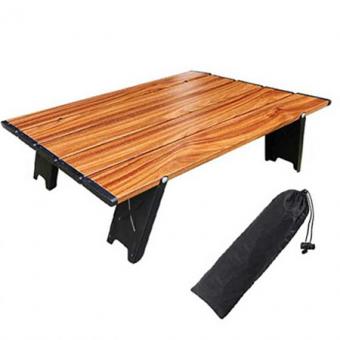
Brand: ANHUI FEISTEL FACTORY Relate Manufacturing: OEM & ODM Product: A lightweight, small, foldable picnic table perfect for outdoor activities. Made of durable materials, it's portable, easy to set up.
Brand: ANHUI FEISTEL FACTORY Relate Manufacturing: OEM & ODM Product: The custom lightweight metal iron foldable moon chair offers durable support and comfort, ideal for outdoor camping, with a compact, portable design for easy transport and storage.
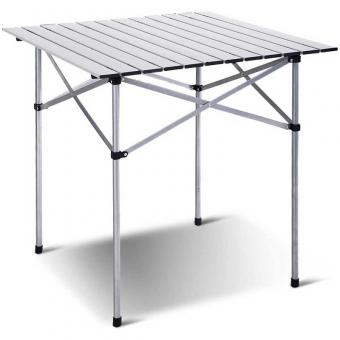
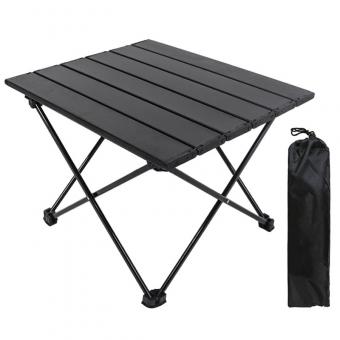
Brand: ANHUI FEISTEL FACTORY Relate Manufacturing: OEM & ODM Product: Compact and lightweight aluminum folding table, perfect for camping, beach, or outdoor activities. Easy to carry, sturdy, and ideal for holding food and drinks.
Brand: ANHUI FEISTEL FACTORY Relate Manufacturing: OEM & ODM Product: This camping foldable wooden lounge chair features a sturdy frame, ergonomic reclining design, and compact folding structure—perfect for relaxing at the beach, campsite, or backyard.
Brand: ANHUI FEISTEL FACTORY Relate Manufacturing: OEM & ODM Product: The hiking backpacking mini stool combines a durable Oxford fabric foldable design with a creative pencil case pocket, offering portability, comfort, and practicality for camping and outdoor adventures.
Brand: ANHUI FEISTEL FACTORY Relate Manufacturing: OEM & ODM Product: An outdoor ultralight single compact portable folding camping bed ideal for backpacking, featuring a durable frame, easy setup, and a convenient carry bag for travel.
Newsletter
Subscribe to our newsletter to receive news, updates, and special offers by email.