Cheap Garden Cart vs. Premium: What B2B Buyers Need to Know About Cost vs. Quality
2026-06-26
The garden cart market is experiencing remarkable growth. Valued at USD 672.25 million in 2024, it grew to USD 713.99 million in 2025 and is projected to reach USD 1.11 billion by 2032, with a compound annual growth rate (CAGR) of 6.54%. For B2B buyers—whether you are a retailer, landscaper, distributor, or procurement manager—this expanding market presents both opportunity and challenge. The central question is not simply "Which cart costs less?" but rather "Which cart delivers the best total value over its entire lifecycle?"
This guide breaks down the real differences between budget and premium garden carts, helping you make sourcing decisions that protect your margins and your reputation.
Defining the Tiers: What Makes a Cart "Cheap" vs. "Premium"?
Before comparing, we need clear definitions. A cheap garden cart typically falls in the $50–$100 wholesale range, while premium carts can cost $150–$300+ per unit. But the price difference reflects far more than a brand logo.
Attribute
Cheap Garden Cart
Premium Garden Cart
Frame material
Thin-gauge steel or basic plastic
Heavy-duty powder-coated steel, aluminum, or composite frames
Weight capacity
200–400 lbs
600–1,000+ lbs
Wheel type
Solid rubber or basic plastic wheels
Pneumatic tires with superior shock absorption
Construction
Basic welding, minimal reinforcement
Reinforced joints, robust hinge and locking mechanisms
Corrosion resistance
Limited or no coating
Powder-coated or UV-resistant materials
Design features
Fixed configuration
Removable sides, foldable frames, convertible to flatbed
Warranty/support
Minimal or none
Robust warranty programs and after-sales support
The Hidden Costs of "Cheap": What You Don't See Upfront
A lower unit price is tempting—especially for bulk orders. But B2B buyers who focus exclusively on upfront cost often face unpleasant surprises.
1. Shorter Lifespan = Higher Replacement Frequency
A budget cart with a thin steel frame and minimal corrosion protection may rust within 12–18 months of regular outdoor use. Premium carts with powder-coated steel or aluminum frames can last 5–10 years. Over a decade, you might replace a cheap cart five times—spending more in total than if you had bought premium once.
2. Customer Returns and Brand Reputation Damage
If you are a retailer, every cart that breaks, rusts, or fails under load becomes a customer service headache. Returns cost you shipping, handling, and lost trust. One negative review can deter dozens of future buyers. As one VEVOR reviewer noted about a premium cart: "For the price, this cart is an extremely good value, with comparable ones costing twice as much"—suggesting that even savvy consumers recognize when they are getting premium quality at a fair price.
3. Safety and Liability Risks
A cart rated for 400 lbs that fails under a 350 lb load of gravel or concrete can cause injury or property damage. Premium carts undergo stress testing on welded joints and axle components under dynamic loads. Budget carts often skip this rigorous validation.
4. Missed Productivity
For commercial landscapers and agricultural operations, a cart that is difficult to maneuver, tips easily, or breaks down mid-job costs time and money. Pneumatic tires on premium models provide smoother rides on uneven terrain, while solid rubber wheels on budget carts deliver a jarring, inefficient experience.
The Value Proposition of Premium: What You Are Paying For
Understanding the material and engineering differences clarifies why premium carts command higher prices.
Frame Materials: The Foundation of Durability
Steel frames offer exceptional strength but vary widely in quality. Premium carts use heavy-gauge steel with powder-coated finishes that resist rust and weathering. Budget carts often use thinner steel with minimal coating—leading to rapid corrosion.
Aluminum frames represent the cutting edge of garden cart design. They deliver superior strength-to-weight ratios, making carts both lightweight and durable. For buyers prioritizing portability without sacrificing capacity, aluminum is a compelling premium option.
Composite materials—like the polyethylene beds used in Gorilla Carts—offer rust resistance and durability. As Popular Mechanics noted, "The durable polyethylene bed won't rust and is also designed not to crack or warp".
Load Capacity: The Real-World Difference
Capacity is not just a number—it is a promise of performance. Premium carts routinely offer 600 to 1,000+ lb capacities. The Gorilla Carts GOR1001-COM, for example, features a 1,000-pound capacity with a powder-coated steel frame, removable sides, and 13-inch pneumatic tires.
Budget carts typically cap out at 300–400 lbs. For commercial buyers hauling soil, gravel, firewood, or equipment, that lower ceiling creates constant limitations.
Wheels and Maneuverability
Pneumatic tires absorb shock, roll smoothly over rough terrain, and reduce user fatigue. Premium carts almost always include them. Budget carts often use solid rubber or hard plastic wheels that provide a rough ride and struggle on uneven ground.
Design Innovation: Modularity and Versatility
Premium carts increasingly offer modular functionality—removable sides that convert the cart to a flatbed, foldable frames for compact storage, and detachable components. This versatility allows a single cart to serve multiple purposes: hauling mulch one day, transporting long lumber the next, and folding flat for storage in between.
After-Sales Support
Premium brands invest in warranty programs and customer support. When a wheel fails or a part breaks, the buyer gets a replacement—not a dead end. For B2B buyers, this support translates directly into lower operational risk.
Regional Sourcing: Where Quality Meets Cost
For B2B buyers sourcing from China—the world's leading producer of garden carts—understanding regional manufacturing strengths is essential.
Shandong manufacturers benefit from proximity to steel mills, reducing input costs by up to 20%. Zhejiang suppliers offer pre-certified products that simplify international compliance. Jiangsu excels in customization—ideal for buyers who want branded, unique designs.
Supplier Evaluation: Beyond Price
When evaluating suppliers, B2B buyers should assess:
Manufacturer vs. trading company: Direct manufacturers offer better oversight, faster prototyping, and more responsive troubleshooting
On-time delivery rate: Aim for ≥97%
Response time: ≤4 hours is considered optimal
Factory size: Facilities larger than 1,000m² with 30+ employees indicate operational maturity
Quality assurance: Look for evidence of stress testing on welded joints and axle components
Making the Right Decision: A Framework for B2B Buyers
When to Choose Budget Carts
Light-duty residential use: Homeowners moving small loads of mulch or plants
Occasional use: Carts used a few times per season
Tight initial budgets: When upfront cost is the only constraint
Disposable applications: Where replacement is acceptable
When to Choose Premium Carts
Commercial landscaping: Daily use, heavy loads, demanding terrain
Agricultural operations: Hauling feed, equipment, or produce
Retail inventory: Products that must meet customer expectations and reduce returns
Long-term value: When total cost of ownership matters more than unit price
Brand reputation: When your name is on the product
The Smart Buyer's Strategy
A smarter strategy involves comparing total value—factoring in quality, durability, and long-term reliability rather than just unit price. Calculate the total cost of ownership:
(Unit Price × Number of Replacements) + (Return/Support Costs + Lost Productivity + Brand Damage)
A $200 premium cart that lasts 10 years often costs less over time than a $70 budget cart replaced every 18 months.
Market Trends Shaping the Future
The garden cart market is evolving rapidly. Key trends B2B buyers should watch:
Sustainability: Shift toward composite and aluminum frames with superior strength-to-weight ratios and longer service life
Foldable designs: Growing demand for storage-efficient carts in urban markets
Digital commerce: Online platforms enabling easier cross-border trade and product comparison
Tariff impacts: New U.S. tariffs in 2025 have redirected sourcing strategies, with manufacturers leveraging locally sourced metals and evaluating domestic production
Urban agriculture: Increasing demand for carts capable of maneuvering through confined spaces while supporting heavy loads
Conclusion: Quality Is an Investment, Not an Expense
For B2B buyers in the garden cart market, the cheap vs. premium decision is not about finding the lowest price—it is about finding the optimal value. A heavy-duty cart with a powder-coated steel frame, pneumatic tires, and 600+ lb load capacity costs more upfront but delivers lower total cost of ownership, fewer customer complaints, and stronger brand reputation.
The global garden cartmarket is projected to reach USD 1.11 billion by 2032. Buyers who understand the real differences between budget and premium products—and source strategically from regions like Shandong, Zhejiang, and Jiangsu—will capture the greatest value from this growing market.
Remember: The cheapest cart is rarely the most affordable. Quality is an investment that pays dividends in durability, reliability, and customer satisfaction.
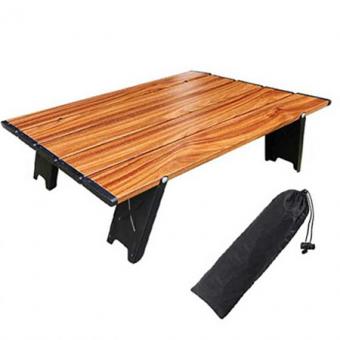
Brand: ANHUI FEISTEL FACTORY Relate Manufacturing: OEM & ODM Product: A lightweight, small, foldable picnic table perfect for outdoor activities. Made of durable materials, it's portable, easy to set up.
Brand: ANHUI FEISTEL FACTORY Relate Manufacturing: OEM & ODM Product: The custom lightweight metal iron foldable moon chair offers durable support and comfort, ideal for outdoor camping, with a compact, portable design for easy transport and storage.
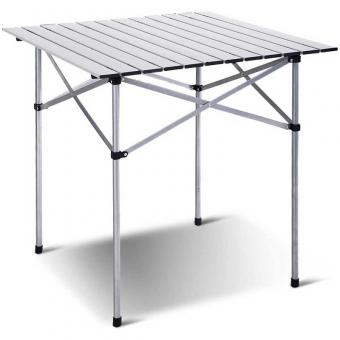
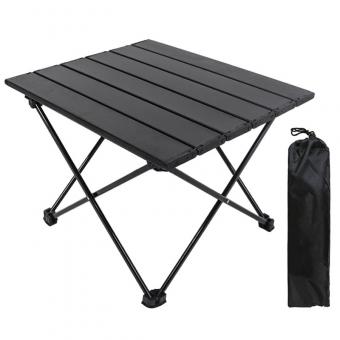
Brand: ANHUI FEISTEL FACTORY Relate Manufacturing: OEM & ODM Product: Compact and lightweight aluminum folding table, perfect for camping, beach, or outdoor activities. Easy to carry, sturdy, and ideal for holding food and drinks.
Brand: ANHUI FEISTEL FACTORY Relate Manufacturing: OEM & ODM Product: This camping foldable wooden lounge chair features a sturdy frame, ergonomic reclining design, and compact folding structure—perfect for relaxing at the beach, campsite, or backyard.
Brand: ANHUI FEISTEL FACTORY Relate Manufacturing: OEM & ODM Product: The hiking backpacking mini stool combines a durable Oxford fabric foldable design with a creative pencil case pocket, offering portability, comfort, and practicality for camping and outdoor adventures.
Brand: ANHUI FEISTEL FACTORY Relate Manufacturing: OEM & ODM Product: An outdoor ultralight single compact portable folding camping bed ideal for backpacking, featuring a durable frame, easy setup, and a convenient carry bag for travel.
Newsletter
Subscribe to our newsletter to receive news, updates, and special offers by email.