How to Choose the Best Foldable Camping Cart for Your Needs
2025-12-04
A foldable camping cart can transform your outdoor experience, turning a strenuous gear-hauling chore into a single, effortless trip from the car to your campsite. However, the wrong cart can lead to frustration, instability, or even failure in the field. With models ranging from lightweight and compact to heavy-duty and all-terrain, making the right choice is crucial for safety, convenience, and maximizing your investment. This guide will walk you through the key decision points to help you select the perfect foldable camping cart tailored to your unique adventures.
Core Considerations: Your Personal Camping Profile
Your choice should begin with an honest assessment of your most common usage scenarios.
Where do you camp? The terrain you frequent is the most critical factor. Smooth park grass, groomed campgrounds, sandy beaches, and rugged backcountry trails all demand different wheel and frame designs. A cart perfect for paved paths might sink in sand or get stuck on a rocky trail.
How much gear do you carry? Consider both the total weight and the bulk of your typical load. A solo backpacker and a family of four will have vastly different needs for both load capacity and cargo box dimensions. The "packing efficiency" of your gear also matters—tall items like tents and chairs require a deep cart box, while bulky coolers demand a wide base.
How do you transport it? The folded size and weight of the cart directly impact how easily you can store it in your vehicle. If space in your car trunk or apartment is limited, a highly compact foldable design will be a priority over one with a larger, more robust frame.
Step-by-Step Guide: Key Features to Evaluate
1. Frame: The Backbone of Stability and Portability
The frame material determines the cart's overall strength, weight, and durability.
Materials: Common options include high-tensile steel, aluminum alloy, and less frequently, carbon fiber.
Steel Frames: Typically made from high-tensile steel, these offer the greatest structural strength and load capacity, making them ideal for heavy-duty use (e.g., multi-day family camping). The trade-off is increased weight, which affects portability.
Aluminum Alloy Frames: These are engineered for lightweight performance and excellent corrosion resistance. An aluminum frame, like the thickened aluminum alloy used in the TMZ cart, provides a strong strength-to-weight ratio, keeping the cart easy to lift and maneuver while still supporting substantial loads.
Folding Mechanism: There are two primary types. Center-pull or "umbrella" style carts collapse inward toward the handle, creating a very compact package ideal for tight storage. Side-folding or "wagon-style" carts fold flat like a suitcase; they are often simpler to operate but may yield a bulkier package. For convenience, look for mechanisms that are "easy to operate" and "one-step".
2. Wheels & Tires: Conquering Terrain
Your cart is only as good as its wheels. This is the component that most directly affects performance across different surfaces.
Wheel Size & Type: Larger wheels (e.g., 10-inch all-terrain wheels) roll over obstacles like rocks, roots, and soft sand far more easily than small wheels. They are essential for true off-road or beach use. Smaller, hard-plastic wheels are suitable only for smooth, paved surfaces.
Tire Design: For versatile performance, look for features like dual-tread anti-slip tires. The tread pattern is crucial for providing non-slip traction on loose surfaces like sand, mud, and gravel. Pneumatic (air-filled) tires offer a smoother ride and better flotation on soft ground but can puncture. Solid foam or rubber tires are maintenance-free but may provide a rougher ride.
Brakes: A parking brake is a critical safety feature, especially on inclines or when using the cart as a temporary seat or table. It prevents the cart from rolling away and adds stability.
3. Capacity & Box Design: Maximizing Your Haul
Capacity is defined by both weight and volume.
Weight Capacity (Payload): This is the maximum weight the cart is engineered to safely carry. Payloads typically range from 50kg (110 lbs) for lightweight models to 150kg (330 lbs) or more for heavy-duty ones. Always buy a cart with a rated capacity higher than your typical load to ensure longevity and safety.
Cargo Box Dimensions & Material: The shape of the box impacts what you can carry. A deep cargo box is excellent for stacking tall items vertically, while a wider base is better for coolers and bulky gear. The material is usually a durable fabric like 600D Oxford cloth, chosen for its resistance to tears, abrasion, and water.
Convenience Features: Look for removable side bags and front pockets for organizing small items. A height-adjustable telescoping pull handle accommodates users of different heights, making pulling more ergonomic.
Decision Matrix: Matching Cart Type to Camper Type
To simplify your choice, use the following table as a quick reference guide.
Camper Type / Primary Use
Recommended Priority Features
Material & Capacity Focus
Urban/Suburban Campers (Parks, established campgrounds)
Compact folding, ease of use, moderate weight capacity.
Durable hybrid frame, medium-to-large wheels, features like optional tabletop.
Final Checklist Before You Buy
Use this checklist to ensure you've covered all bases when comparing specific models:
Safety & Durability: Does the cart have a parking brake? Is the fabric rip-resistant? Do the frame welds and joints look robust?
Portability: Can you easily lift the folded cart? Does it fit in your designated storage space (trunk, closet)?
Usability: Is the folding mechanism intuitive and quick? Is the handle comfortable and adjustable? Are there convenient pockets?
Warranty & Support: Does the manufacturer offer a warranty? Is there accessible customer service for parts (like replacement wheels)?
The "best" foldable camping cart doesn't exist in a vacuum—it's the one that perfectly aligns with your personal camping habits, terrain challenges, and gear requirements. By methodically evaluating the frame, wheels, and capacity against your needs, you can invest in a tool that doesn't just carry your gear, but enhances your entire outdoor experience. The right cart is a reliable partner that gets you and your supplies to your destination safely and efficiently, leaving you more energy to enjoy the great outdoors.
Ready to explore top-rated models? A smart next step is to research specific brands and read detailed user reviews on platforms dedicated to outdoor gear to see how these key features perform in real-world conditions.
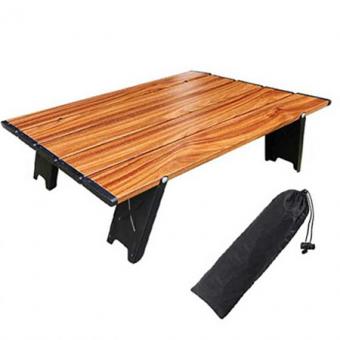
Brand: ANHUI FEISTEL FACTORY Relate Manufacturing: OEM & ODM Product: A lightweight, small, foldable picnic table perfect for outdoor activities. Made of durable materials, it's portable, easy to set up.
Brand: ANHUI FEISTEL FACTORY Relate Manufacturing: OEM & ODM Product: The custom lightweight metal iron foldable moon chair offers durable support and comfort, ideal for outdoor camping, with a compact, portable design for easy transport and storage.
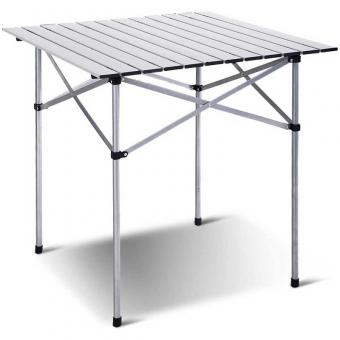
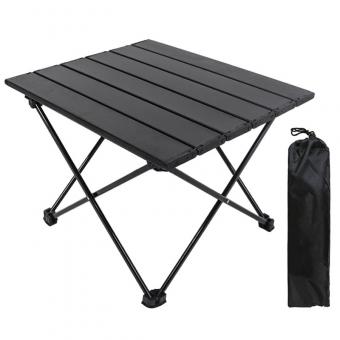
Brand: ANHUI FEISTEL FACTORY Relate Manufacturing: OEM & ODM Product: Compact and lightweight aluminum folding table, perfect for camping, beach, or outdoor activities. Easy to carry, sturdy, and ideal for holding food and drinks.
Brand: ANHUI FEISTEL FACTORY Relate Manufacturing: OEM & ODM Product: This camping foldable wooden lounge chair features a sturdy frame, ergonomic reclining design, and compact folding structure—perfect for relaxing at the beach, campsite, or backyard.
Brand: ANHUI FEISTEL FACTORY Relate Manufacturing: OEM & ODM Product: The hiking backpacking mini stool combines a durable Oxford fabric foldable design with a creative pencil case pocket, offering portability, comfort, and practicality for camping and outdoor adventures.
Brand: ANHUI FEISTEL FACTORY Relate Manufacturing: OEM & ODM Product: An outdoor ultralight single compact portable folding camping bed ideal for backpacking, featuring a durable frame, easy setup, and a convenient carry bag for travel.
Newsletter
Subscribe to our newsletter to receive news, updates, and special offers by email.