What is the difference between a climbing hook and a carabiner?
2025-04-17
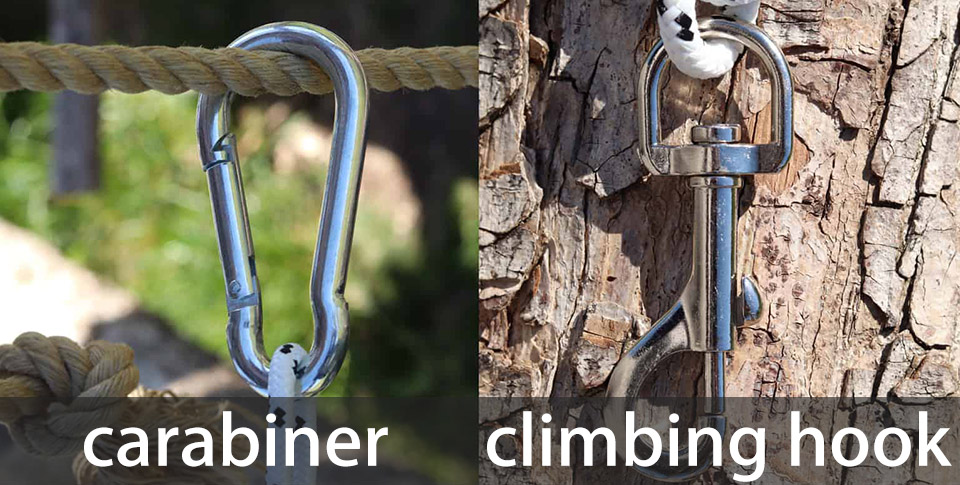
In rock climbing, Climbing Hook and Carabiner are often used interchangeably, but there are fundamental differences between the two in structure, function and safety standards. Accurately distinguishing between these two types of equipment is the key prerequisite for ensuring rock climbing safety.
Structural design differences Climbing Hook usually refers to a metal tool with a gripping function, and its core structure includes sharp hook teeth and a rotatable joint. For example, the climbing tiger claw achieves gripping through a gravity opening and closing mechanism, and the hook teeth can be embedded in rock cracks or narrow spaces to help climbers obtain temporary support points. Such tools need to withstand dynamic impact forces, and the materials are mostly high-strength steel or titanium alloy to ensure reliability in complex terrain. Carabiner adopts a closed ring design, with a D-shaped, pear-shaped or oval body, equipped with a spring door or locking mechanism. Its key parameters include longitudinal tensile strength (usually ≥20kN), opening width (need to adapt to ropes of different diameters) and locking methods (such as screw locks, automatic locks). Taking the D-shaped Carabiner as an example, its spine structure can disperse the impact force, and the opening design needs to prevent the rope from slipping out.
Functional positioning difference The function of Climbing Hook focuses on active gripping, and is mainly used for breakthroughs in special terrain. For example, in the cracks of the rock wall, climbers can use the flying tiger claw to embed into the rock mass and cooperate with the main rope to achieve ascent or descent. Such tools require extremely high operating skills, and incorrect use may cause equipment damage or fall risks. Carabiner plays the core role of passive connection. It needs to establish a safe channel between the climber, the rope and the protection point to ensure stability under dynamic load. For example, during pioneer climbing, the Carabiner needs to directly connect the main rope and the safety belt to avoid the intermediate link to increase the probability of failure. Its locking mechanism needs to prevent accidental opening, and the mis-opening rate of the automatic lock buckle needs to be less than 1/1000 operations.
Application scenario difference Climbing Hook is suitable for specific terrains, such as ice walls, cracks or smooth rock surfaces. Take the Flying Tiger Claw as an example. Its gripping function is particularly important on vertical ice surfaces without natural fulcrums, but it needs to be used with equipment such as ice axes. The use of such tools must follow strict operating procedures, such as confirming the fixed state by body weight after grabbing. Carabiner is an essential equipment for the entire process of rock climbing. From the construction of the protection station to the movement of the climber, the Carabiner needs to meet the needs of different scenarios: large-size pear-shaped buckles are used for rappelling, lightweight D-shaped buckles are used for sport climbing, and Carabiners with safety logos must be UIAA or CE certified. The International Federation of Rock Climbing (IFSC) stipulates that Carabiners used in competitions must be traceable to ensure the definition of responsibility in accident investigations.
Technical Standard Differences Climbing Hook needs to pass dynamic impact tests, such as simulating the grip on the rock when falling. Taking the Flying Tiger Claw as an example, its gripping teeth must withstand a vertical tensile force of 5kN without deformation, and the joints must withstand 1000 opening and closing cycles. Carabiner needs to meet more stringent safety standards. The longitudinal tensile test needs to be carried out in an environment of -30℃ to +50℃, and the locking mechanism needs to pass 100,000 fatigue tests. For example, the thread of the screw-locked Carabiner needs to withstand a torque of 100N·m without slipping, and the spring life of the automatic lock needs to exceed 5,000 openings and closings.
Risk level difference The risk of incorrect use of the Climbing Hook is concentrated on the operational level. For example, the failure of the Flying Tiger Claw to grab may cause the equipment to fall off, but it usually does not directly cause a fall. The risk of failure of the Carabiner may have catastrophic consequences. If the locking mechanism fails and the main rope falls out, the climber will directly bear the impact of the fall. Therefore, the international standard has extremely strict manufacturing tolerance requirements for Carabiners, such as the opening size deviation must be less than 0.5mm.
Accurately understanding the difference between Climbing Hook and Carabiner is the basis for climbers to ensure safety. Although the two are both connecting equipment, there are essential differences in design logic, function implementation and safety redundancy. Choosing equipment that meets international standards and receiving professional training are issues that every climber must pay attention to.
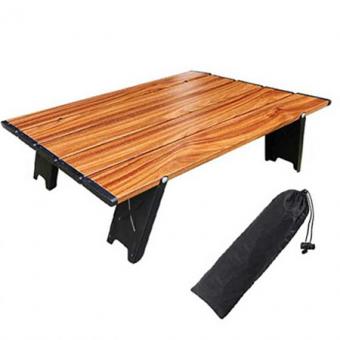
Brand: ANHUI FEISTEL FACTORY Relate Manufacturing: OEM & ODM Product: A lightweight, small, foldable picnic table perfect for outdoor activities. Made of durable materials, it's portable, easy to set up.
Brand: ANHUI FEISTEL FACTORY Relate Manufacturing: OEM & ODM Product: The custom lightweight metal iron foldable moon chair offers durable support and comfort, ideal for outdoor camping, with a compact, portable design for easy transport and storage.
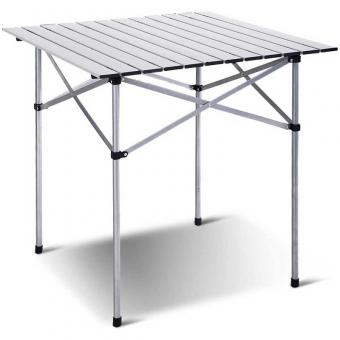
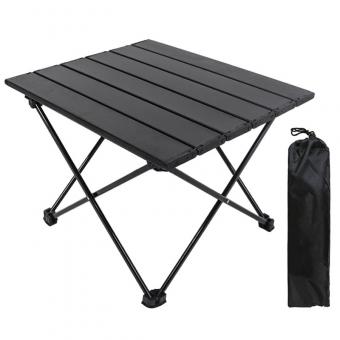
Brand: ANHUI FEISTEL FACTORY Relate Manufacturing: OEM & ODM Product: Compact and lightweight aluminum folding table, perfect for camping, beach, or outdoor activities. Easy to carry, sturdy, and ideal for holding food and drinks.
Brand: ANHUI FEISTEL FACTORY Relate Manufacturing: OEM & ODM Product: This camping foldable wooden lounge chair features a sturdy frame, ergonomic reclining design, and compact folding structure—perfect for relaxing at the beach, campsite, or backyard.
Brand: ANHUI FEISTEL FACTORY Relate Manufacturing: OEM & ODM Product: The hiking backpacking mini stool combines a durable Oxford fabric foldable design with a creative pencil case pocket, offering portability, comfort, and practicality for camping and outdoor adventures.
Brand: ANHUI FEISTEL FACTORY Relate Manufacturing: OEM & ODM Product: An outdoor ultralight single compact portable folding camping bed ideal for backpacking, featuring a durable frame, easy setup, and a convenient carry bag for travel.
Newsletter
Subscribe to our newsletter to receive news, updates, and special offers by email.