The global camping tent market was valued at USD 3.4 billion in 2025 and is projected to reach USD 5.5 billion by 2034, driven by rising demand for adventure tourism and eco-friendly outdoor products. For outdoor brands looking to capture this growing market, OEM/ODM tent customization offers a powerful pathway to differentiation. But where do you start? This guide breaks down every customization option—from fabric selection and pole materials to size configurations, color matching, and branding techniques—so you can make informed decisions that align with your brand identity and target market.
OEM vs. ODM: Understanding the Difference
Before diving into customization options, it's essential to understand the two primary manufacturing models.
OEM (Original Equipment Manufacturer) means the factory produces tents based on your own design, specifications, or models. You provide the blueprints, and the manufacturer executes them.
ODM (Original Design Manufacturer) means the factory already has existing designs that you can customize and sell under your brand. This approach helps you launch new tent models faster, with the manufacturer's experience guiding material choice, structural safety, and visual appeal.
Top-tier manufacturers offer full OEM/ODM services, including tailored fabric colors, size variations, logo embroidery, custom packaging, and even structural modifications like ventilation layout or entry configuration. The choice between OEM and ODM depends on whether you have a proprietary design or prefer to leverage existing proven concepts.
Material Customization: The Foundation of Quality
Material selection is arguably the most critical decision in tent customization. It directly impacts durability, weight, weather resistance, and cost.
Fabric Options
The fabric you choose defines your tent's performance characteristics:
Polyester is sturdy and more water-resistant than natural fibers or even nylon, making it a top choice for tents that need to perform in harsher weather conditions. It's lightweight, quick-drying, and offers excellent UV resistance.
Nylon prioritizes portability and flexibility. It's lighter than polyester but slightly lower in quality due to increased susceptibility to tearing and damage from sunlight exposure. Nylon is commonly used in backpacking and ultralight tents.
Canvas (typically cotton or cotton blends) provides great breathability and high comfort, but it's heavier and less durable than synthetic options. However, cotton canvas offers excellent thermoregulation and superior resistance to sun exposure compared to polyester or nylon.
Polycotton blends balance comfort and durability, offering the breathability of cotton with the strength of polyester.
PVC and Oxford cloth are popular for heavier-duty applications, with fabric thickness ranging from 0.45mm to 0.9mm.
For glamping tents and luxury applications, cotton canvas and polycotton blends are increasingly popular due to their premium feel and breathability.
Pole Materials
The frame is the skeleton of any tent. Three primary pole materials dominate the market:
Aluminum offers the best balance of durability, light weight, and moderate cost. Aluminum poles are very strong, rarely break, and are fairly lightweight. Most backpacking tents use aluminum for its strength-to-weight ratio.
Fiberglass is commonly found on lower-price tents. However, it's less resilient than aluminum and snaps more easily. Unlike aluminum, which deforms plastically and can often be bent back to functional shape, fiberglass fails in a brittle manner without prior visible warning.
Carbon fiber is very strong and slightly lighter than aluminum but is very expensive, so it's mostly found in high-end lightweight tents. Carbon fiber poles require more careful handling as they are more fragile.
For most commercial applications, aluminum offers the optimal balance of performance and cost.
Fabric Coatings
Waterproof coatings add another layer of customization:
PU (Polyurethane) coating is standard for most camping tents
Silicone coating offers superior water repellency and UV resistance
Hybrid coatings combine the benefits of both
Size Customization: Matching Your Market
Tent size is one of the most flexible customization parameters. Manufacturers can adjust dimensions to suit everything from solo backpackers to large family groups.
Capacity Configurations
Common configurations include:
1-2 person tents for solo adventurers and couples
3-4 person tents for small families or groups
5+ person tents for family camping and group outings
Structural Variations
Beyond basic capacity, size customization extends to:
Floor dimensions (length and width adjustments)
Peak height (interior headroom)
Vestibule and porch areas
Modular configurations including detachable porches, vestibules, and adjustable bracing systems
For large-scale applications like event tents, span widths can vary from 3m to 50m with unlimited length options. For luxury glamping resorts, size customization often includes interior furnishing integration.
Tent Structure Types
Beyond size, you can customize the tent structure itself. Choose from dome, tunnel, cabin, bell, A-frame, round, or safari structures. Each structure offers different benefits for space utilization, wind resistance, and aesthetic appeal.
Color Customization: Building Brand Identity
Color is often the first thing customers notice. OEM/ODM tent customization allows for precise color matching to your brand identity.
Color Matching Systems
Professional manufacturers support Pantone-matched color systems, ensuring your tents align precisely with your brand palette. This level of precision is essential for maintaining brand consistency across product lines.
Color Combinations
Customization options include:
Single-color designs for clean, minimalist branding
Two-tone or tri-color combinations for distinctive visual appeal
Camouflage patterns for military and hunting applications
Full-surface designs for maximum visual impact
Frame Color Customization
Beyond fabric, some manufacturers offer custom frame colors with over 200 additional RAL color options. This allows for complete aesthetic coordination from poles to fabric.
Branding Options: Making Your Mark
Branding is typically the first step in private label tent projects. Multiple methods are available, each suited to different applications and budgets.
Printing Methods
Silk Screen Printing: Classic, clean, and cost-effective. Ideal for simple logos and text on smaller quantities.
Dye Sublimation Printing: Enables high-resolution logos and full-color graphics. This method is ideal for complex designs, photographs, and camo patterns. It offers 100+ color customization options compared to basic screen printing methods.
Heat Transfer Printing: Perfect for vibrant colors and sharp text.
Thermal Transfer: Produces vivid, durable prints.
Logo Placement Options
Logo placement depends on tent structure, fabric type, and printing method. Common placement areas include:
Flysheet printing
Sidewalls
Vestibule panels
Carry bags and packaging
Beyond Fabric: Hardware Branding
For rooftop tents and higher-end products, branding options extend beyond fabric:
Metal badges for premium positioning
Embroidery for fabric logos
Woven labels and ribbon printing
Stickers for accessories
Logo on cartons for retail presentation
The Customization Process: From Brief to Delivery
Understanding the process helps you plan effectively and avoid costly delays.
Brief & Feasibility: Define your requirements—tent type, usage scenario, target market, and budget. Include specific product specifications: material type, weight, packed size, and season rating.
Co-Design & Specifications: Work with the manufacturer to refine your design, selecting from available customization options.
Sampling: Order physical samples before mass production to verify quality, dimensions, and branding accuracy.
Production: Once samples are approved, mass production begins with quality control checkpoints throughout.
Delivery: Packaging and shipping according to your specifications.
Key Considerations for Buyers
MOQ (Minimum Order Quantity)
MOQ varies significantly between manufacturers. Some focus on small-batch flexibility, while others specialize in large-scale OEM contracts requiring hundreds of units. For startups and smaller brands, seek suppliers with lower MOQ thresholds—some accept orders as small as 20 pieces for select models.
Quality Verification
Before placing a bulk order:
Request material specifications (fabric denier, waterproof rating, pole material)
Order physical samples to test setup time, stability, and stitching quality
Verify wall thickness and load capacity in writing
Custom Packaging
Don't overlook packaging as a branding opportunity. Custom packaging with your logo reinforces brand recognition from the moment the customer receives the product.
Final Thoughts
OEM/ODM tent customization offers outdoor brands an unprecedented opportunity to differentiate in a competitive market. From fabric selection and pole materials to size configurations, color matching, and branding techniques, every element can be tailored to your brand identity and target audience.
The key to success is working with a manufacturer that offers comprehensive customization services—one that can guide you through material choices, structural decisions, and branding execution with transparency and expertise. With the global camping market continuing to expand, investing in a customized tent line could be the differentiator that sets your brand apart.
Whether you're launching a new outdoor brand or expanding an existing product line, the flexibility of OEM/ODM manufacturing means your vision can become a reality—one tent at a time.
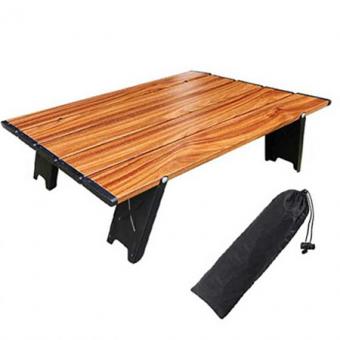
Brand: ANHUI FEISTEL FACTORY Relate Manufacturing: OEM & ODM Product: A lightweight, small, foldable picnic table perfect for outdoor activities. Made of durable materials, it's portable, easy to set up.
Brand: ANHUI FEISTEL FACTORY Relate Manufacturing: OEM & ODM Product: The custom lightweight metal iron foldable moon chair offers durable support and comfort, ideal for outdoor camping, with a compact, portable design for easy transport and storage.
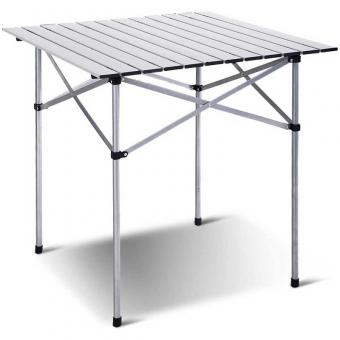
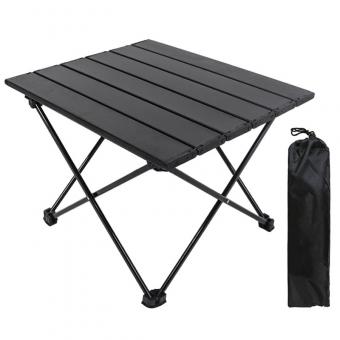
Brand: ANHUI FEISTEL FACTORY Relate Manufacturing: OEM & ODM Product: Compact and lightweight aluminum folding table, perfect for camping, beach, or outdoor activities. Easy to carry, sturdy, and ideal for holding food and drinks.
Brand: ANHUI FEISTEL FACTORY Relate Manufacturing: OEM & ODM Product: This camping foldable wooden lounge chair features a sturdy frame, ergonomic reclining design, and compact folding structure—perfect for relaxing at the beach, campsite, or backyard.
Brand: ANHUI FEISTEL FACTORY Relate Manufacturing: OEM & ODM Product: The hiking backpacking mini stool combines a durable Oxford fabric foldable design with a creative pencil case pocket, offering portability, comfort, and practicality for camping and outdoor adventures.
Brand: ANHUI FEISTEL FACTORY Relate Manufacturing: OEM & ODM Product: An outdoor ultralight single compact portable folding camping bed ideal for backpacking, featuring a durable frame, easy setup, and a convenient carry bag for travel.
Newsletter
Subscribe to our newsletter to receive news, updates, and special offers by email.