Aluminum, Steel, or Carbon Fiber? Picking the Best Frame for Your Camping Set
2025-12-08
Choosing the perfect camping chairs and tables can be a surprisingly technical decision. When you're sifting through countless online listings, the most crucial choice often boils down to one fundamental factor: the frame material. The aluminum, steel, or carbon fiber skeleton of your gear will define its performance, weight, durability, and price. In this comprehensive guide, we'll dissect the core strengths and trade-offs of each material, transforming you from a bewildered shopper into an informed outdoor enthusiast ready to select the ideal camping set for your adventures.
The Material Showdown: Defining the Contenders
Before diving into comparisons, let's define what each material brings to the campsite.
Aluminum Alloy: The reigning champion of modern outdoor gear, aluminum alloy—specifically 6061 or 7075 aviation-grade alloys—is celebrated for its exceptional strength-to-weight ratio. It's the workhorse that balances durability, lightness, and rust resistance.
Steel (Carbon Steel): The classic, no-nonsense choice. Steel, often referred to as high-carbon steel or carbon steel in product descriptions, is the embodiment of brute strength and unwavering stability. It sacrifices portability for unparalleled load-bearing capacity and sturdiness.
Carbon Fiber Composite: The high-tech newcomer. Carbon fiber composites represent the cutting edge of material science in outdoor equipment. Made from carbon filaments woven and bonded with resin, this material delivers the pinnacle of lightweight performance and corrosion resistance.
To make an informed decision, you must weigh these materials against four critical criteria: weight, strength, durability, and cost. The following table provides a clear, side-by-side comparison based on real-world product data and performance.
Criteria
Aluminum Alloy
Steel (Carbon Steel)
Carbon Fiber Composite
Weight (Example Chair)
~1.2 - 1.8 kg
~2.3 - 3 kg
Ultra-light (e.g., sub-0.6 kg chairs)
Typical Strength & Feel
High strength-to-weight; stable, but can have slight flex on uneven ground
Maximum strength and rigidity; "rock-solid" feel with no sway
Exceptional specific strength; stiff yet can dampen vibrations
Durability & Corrosion
Excellent; anodized surface resists rust, ideal for damp/coastal use
Prone to rust if coating is damaged; requires care and drying
Exceptional; impervious to rust and highly resistant to chemical corrosion
Price Point
Mid-range. The standard for quality, balanced gear
Most budget-friendly for raw strength; wide price range
Premium. The most expensive option, reflecting advanced materials
Deep Dive: Performance Where It Matters
The Portability Equation: How Much Does Your Comfort Weigh?
This is where the differences are most tangible. If you're backpacking, hiking into a site, or have limited trunk space, every gram counts. An aviation-grade aluminum chair (1.2-1.8 kg) is a fantastic balance. For the ultimate minimalist, carbon fiber is unbeatable, with high-end chairs weighing under 600 grams. Steel chairs, often weighing 3kg or more, are best suited for car camping where they are carried from trunk to campsite in a single trip.
Strength and Stability: Holding Up Under Pressure
Strength isn't just about a number; it's about the experience. Steel offers absolute, reassuring solidity, making it ideal for larger individuals or for tables holding heavy cooking equipment (with some tables boasting 50kg+ capacity). Aluminum is perfectly strong for most users (supporting 120-150kg) but may have a minimal, perceptible give on very uneven terrain. Carbon fiber, through advanced engineering, can achieve strength comparable to high-strength steel while remaining incredibly light, though it prioritizes stiffness over the immovable feel of steel.
Battle Against the Elements: Corrosion and Long-Term Care
Durability is about surviving seasons, not just a weekend. Aluminum excels here. Its natural oxide layer and anodized finishes make it highly resistant to rust, a major advantage in humid climates, by the sea, or if you often pack gear away slightly damp. Steel is vulnerable. While powder coatings help, any chip or scratch can become a rust point. It demands more care: drying thoroughly before storage and avoiding salty environments. Carbon fiber is the ultimate performer, completely immune to rust and highly resistant to chemical corrosion, offering a near-maintenance-free lifespan.
The Budget Factor: Balancing Cost and Value
Your budget heavily influences the "best" choice. Steel provides the most load-bearing capacity per dollar, making it the value king for car campers who don't mind the weight. Aluminum is the investment most campers make for its all-around performance and longevity, sitting in the mid-price range. Carbon fiber commands a significant premium. You are paying for the highest performance in weight savings and corrosion resistance, a justifiable expense for serious backpackers and gear enthusiasts.
Finding Your Perfect Match: A Camper's Decision Guide
The "best" material doesn't exist in a vacuum; it's the one that best fits your specific camping style. Use this guide to find your match.
For the Backpacker & Minimalist: Your priority is saving weight. Carbon fiber is your top-tier choice, with high-grade aluminum as an excellent, more affordable alternative. Look for terms like "ultralight," "aviation-grade," and pay close attention to packaged weight and dimensions.
For the Car Camper & Basecamp Builder: You value stability and capacity over portability. Steel is your sturdy, cost-effective workhorse, especially for tables and large chairs. Aluminum remains a superb choice if you prefer easier handling and better corrosion resistance without a major weight penalty. Ensure the product specifies a robust powder-coated finish for steel or a thick oxidized coating for aluminum.
For the Coastal & All-Weather Adventurer: If your campsites are by the beach, in rainforests, or in dewy meadows, corrosion resistance is critical. Carbon fiber is ideal, and aluminum is a very strong, practical choice. Generally, avoid standard steel in consistently wet or salty environments unless you are meticulous about maintenance.
For the Value-Seeking Family: Durability and budget are key. Steel-frame sets offer incredible durability and capacity for the price, perfect for family gatherings and heavy use. If you camp frequently and want gear that lasts for years with less upkeep, investing in a quality aluminum set provides excellent long-term value.
Beyond the Frame: Other Critical Considerations
Your decision shouldn't rest on frame material alone. Pay equal attention to these supporting features:
Fabric: The material is only as good as what covers it. Look for high-denier fabrics like 600D or 1000D Oxford Nylon for rip resistance. For chairs, breathable mesh panels add comfort.
Joints and Hardware: This is where failure often occurs. Inspect product images for reinforced welding on steel frames or internal gussets and robust pin systems on aluminum/carbon frames. Smooth, secure locking mechanisms are essential for safety.
Warranty & Brand Reputation: A manufacturer's warranty reflects confidence in their product's longevity. Reputable brands that offer spare parts are a safer investment than obscure, no-name brands, regardless of the attractive price.
The Final Verdict
There is no single "winner" in the aluminum vs. steel vs. carbon fiber debate, only the optimal tool for your needs.
Choose Aluminum Alloy when you seek the ideal, balanced compromise: respectable lightness for easier carrying, more than enough strength for comfort, excellent resistance to the elements, and a price that delivers long-term value for most camping styles.
Choose Steel when your top priorities are maximum stability, the highest possible load capacity (especially for tables), and the most strength for your money. You accept the trade-off of significant weight and a need for more careful maintenance.
Choose Carbon Fiber when achieving the absolute lightest weight and most corrosion-free performance is paramount, and your budget allows for investing in cutting-edge materials technology for specialized activities like long-distance backpacking.
By aligning your choice with your primary camping style and honestly assessing your priorities for weight, strength, and care, you can confidently invest in a camping set that won't just serve you, but will enhance every moment you spend under the open sky.
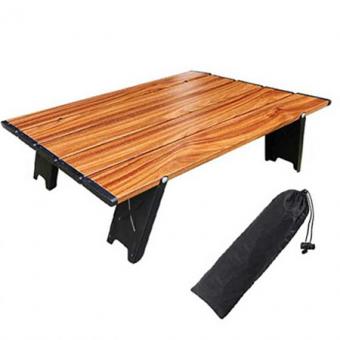
Brand: ANHUI FEISTEL FACTORY Relate Manufacturing: OEM & ODM Product: A lightweight, small, foldable picnic table perfect for outdoor activities. Made of durable materials, it's portable, easy to set up.
Brand: ANHUI FEISTEL FACTORY Relate Manufacturing: OEM & ODM Product: The custom lightweight metal iron foldable moon chair offers durable support and comfort, ideal for outdoor camping, with a compact, portable design for easy transport and storage.
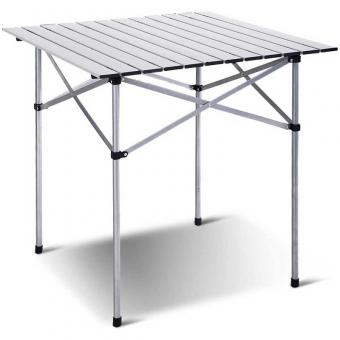
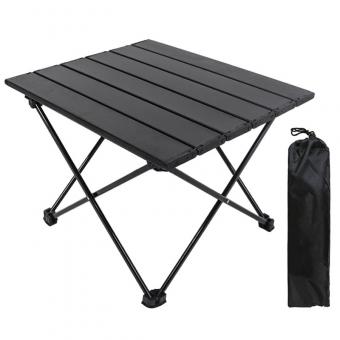
Brand: ANHUI FEISTEL FACTORY Relate Manufacturing: OEM & ODM Product: Compact and lightweight aluminum folding table, perfect for camping, beach, or outdoor activities. Easy to carry, sturdy, and ideal for holding food and drinks.
Brand: ANHUI FEISTEL FACTORY Relate Manufacturing: OEM & ODM Product: This camping foldable wooden lounge chair features a sturdy frame, ergonomic reclining design, and compact folding structure—perfect for relaxing at the beach, campsite, or backyard.
Brand: ANHUI FEISTEL FACTORY Relate Manufacturing: OEM & ODM Product: The hiking backpacking mini stool combines a durable Oxford fabric foldable design with a creative pencil case pocket, offering portability, comfort, and practicality for camping and outdoor adventures.
Brand: ANHUI FEISTEL FACTORY Relate Manufacturing: OEM & ODM Product: An outdoor ultralight single compact portable folding camping bed ideal for backpacking, featuring a durable frame, easy setup, and a convenient carry bag for travel.
Newsletter
Subscribe to our newsletter to receive news, updates, and special offers by email.